The coastal towns of New England have attracted artists for generations. From Monhegan Island in Maine to Provincetown, Massachusetts, and the home of Florence Griswold in Old Lyme, Connecticut, individual artists, groups of friends and organized colonies created art far from the grit and chaos of the city.
Cape Ann, Massachusetts, on the north shore of Boston, had a unique role. Fitz Henry Lane (1804-1865), a pioneer in the luminist movement, was born in Gloucester. Winslow Homer (1836-1910) spent working vacations there between 1873 and 1880, perfecting his watercolor skills. American impressionists Childe Hassam and Maurice Prendergast painted the shore and the bustling harbor followed by modernists like Stuart Davis (1892-1964), Edward Hopper (1882-1967) and Leon Kroll (1884-1974). In the 1930s and 40s, Milton Avery (1885-1965), Adolph Gottlieb (1903-1974) and Mark Rothko (1903-1970) worked together and began developing their mature styles by which they are known today.
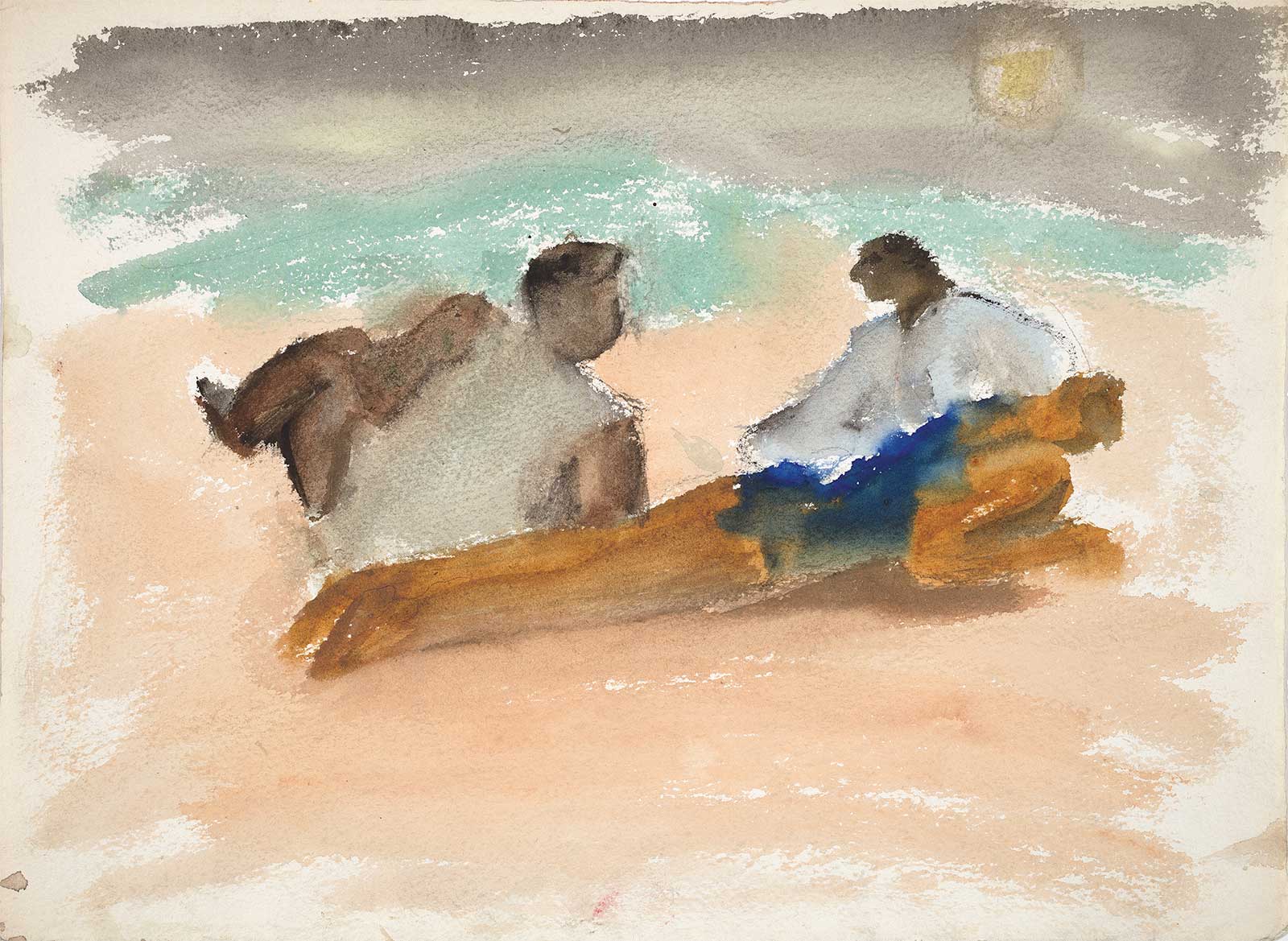
Mark Rothko 1903-1970), Untitled (bathers on the beach), 1934. Watercolor and graphite on watercolor paper, 11 2/5 x 15¼ in. National Gallery of Art, Washington, DC. Gift of The Mark Rothko Foundation, Inc., 1986.56.600.a. © 1998 Kate Rothko Prizel & Christopher Rothko / Artists Rights Society (ARS), New York
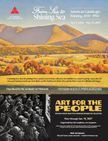
The Cape Ann Museum has organized the exhibition Avery, Gottlieb & Rothko: By the Sea with guest curator Eliza Rathbone, chief curator emerita of the Phillips Collection, in collaboration with the Phillips Collection, Washington, D.C.
The exhibition will be shown at The Phillips Collection October 24 through January 24, 2027.
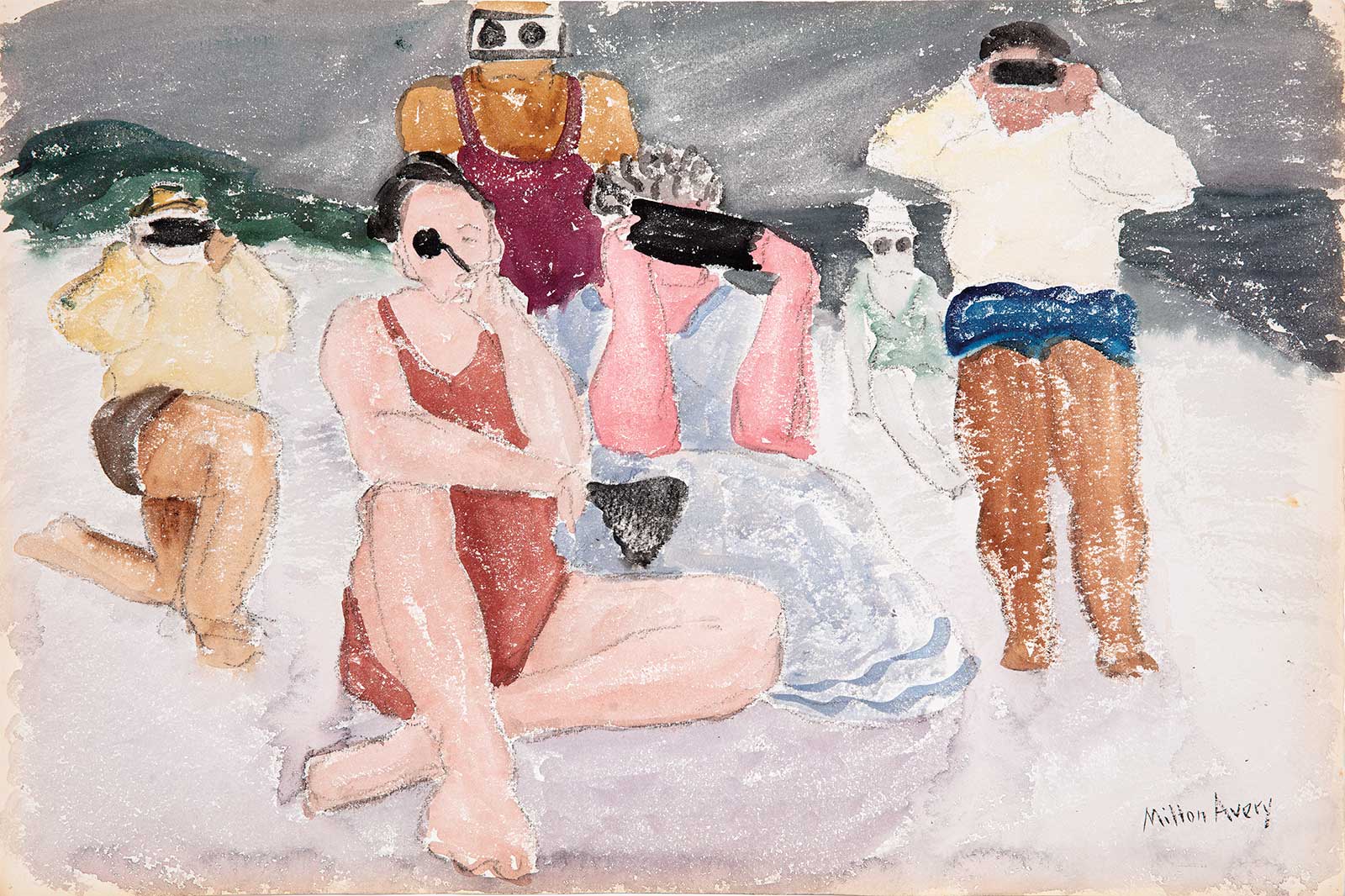
Milton Avery (1885-1965), Eclipse Watchers, c. 1932. Watercolor on paper, 15 x 22 in. Private collection. Jeremy Lawson Photography. © 2026 The Milton Avery Trust / Artists Rights Society (ARS), New York
The museum notes, “As the first Cape Ann Museum generated show to then be taken on by another institution, the museum is working in close collaboration with all three artists’ estates. The show will feature over 82 works from the 1920s to the 1960s, with loans from 26 prominent national and private institutional collections, including the National Gallery of Art in Washington, D.C., which is a central partner lending 10 works by Mark Rothko to the exhibition. Many works in this exhibition have never been on public view.”
Avery began making summer retreats to Gloucester in 1920 and gradually shifted from representational painting to his flat, modernist, color-field style. In Gloucester he met Sally Michel who would become his wife. The two artists invited younger artists, including Gottlieb and Rothko, to their small apartment and studio in New York.
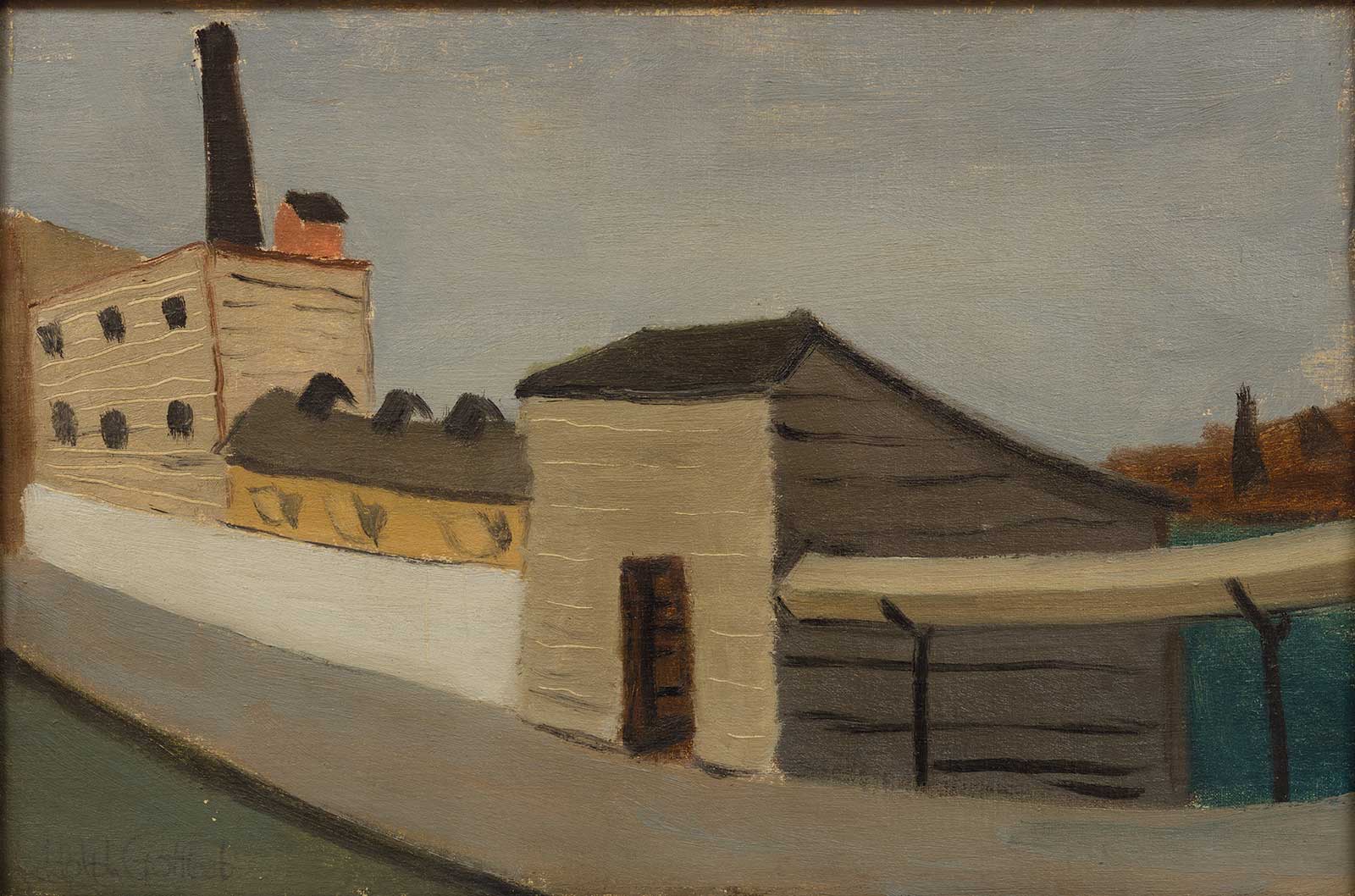
Adolph Gottlieb (1903-1974), Gloucester Street, ca. 1934. Oil on linen mounted on board, 11¾ x 17¼ in. Adolph and Esther Gottlieb Foundation. © 2026 Adolph and Esther Gottlieb Foundation / Licensed by VAGA at Artists Rights Society (ARS), NY
Rathbone writes in the exhibition catalogue, “There, they would gather of an evening to sketch from a model or talk about art. Yet it is possible that the most intensive but also relaxed and ample times that the artists spent together were the summers outside of Manhattan, when they had little to distract them from each other’s company, day or night. It is these summers, so seldom remarked upon in the literature, and yet so clearly significant in the lives of all three, that the present exhibition and volume attempt to address.”
Jonathan P. Binstock, Vradenburg Director and CEO of The Phillips Collection, explains, “This exhibition reveals something we haven’t fully seen before: how a shared sense of place and deep friendship gave rise to some of the most important art of the 20th century, and, perhaps surprisingly, an undercurrent of aesthetic affinities that continued to resonate throughout their mature, iconic work.”
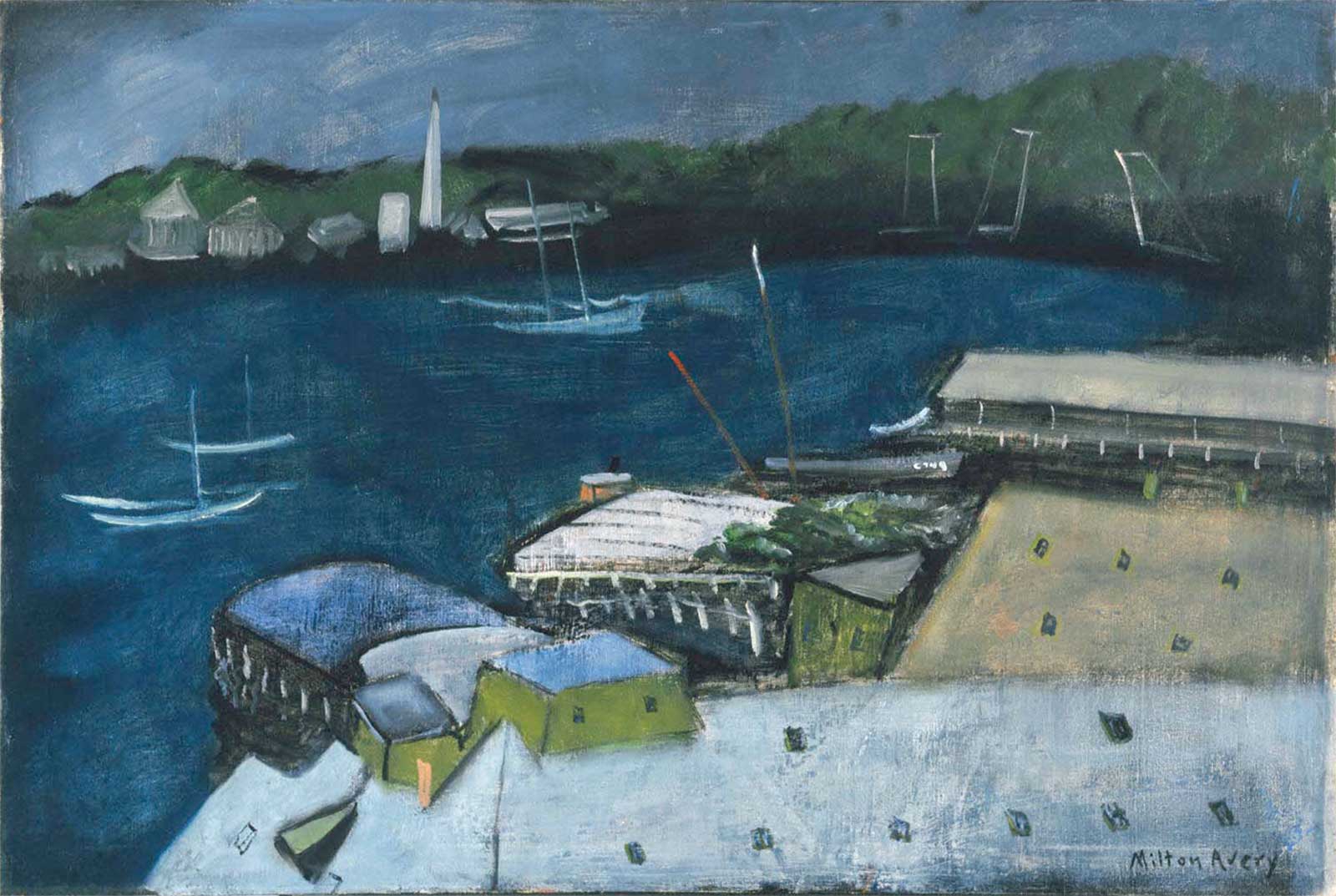
Milton Avery (1885-1965), Harbor at Night, 1932. Oil on canvas, 32 x 48 in. The Phillips Collection, Washington, DC. Acquired 1942, 0038. © 2026 The Milton Avery Trust / Artists Rights Society (ARS), New York
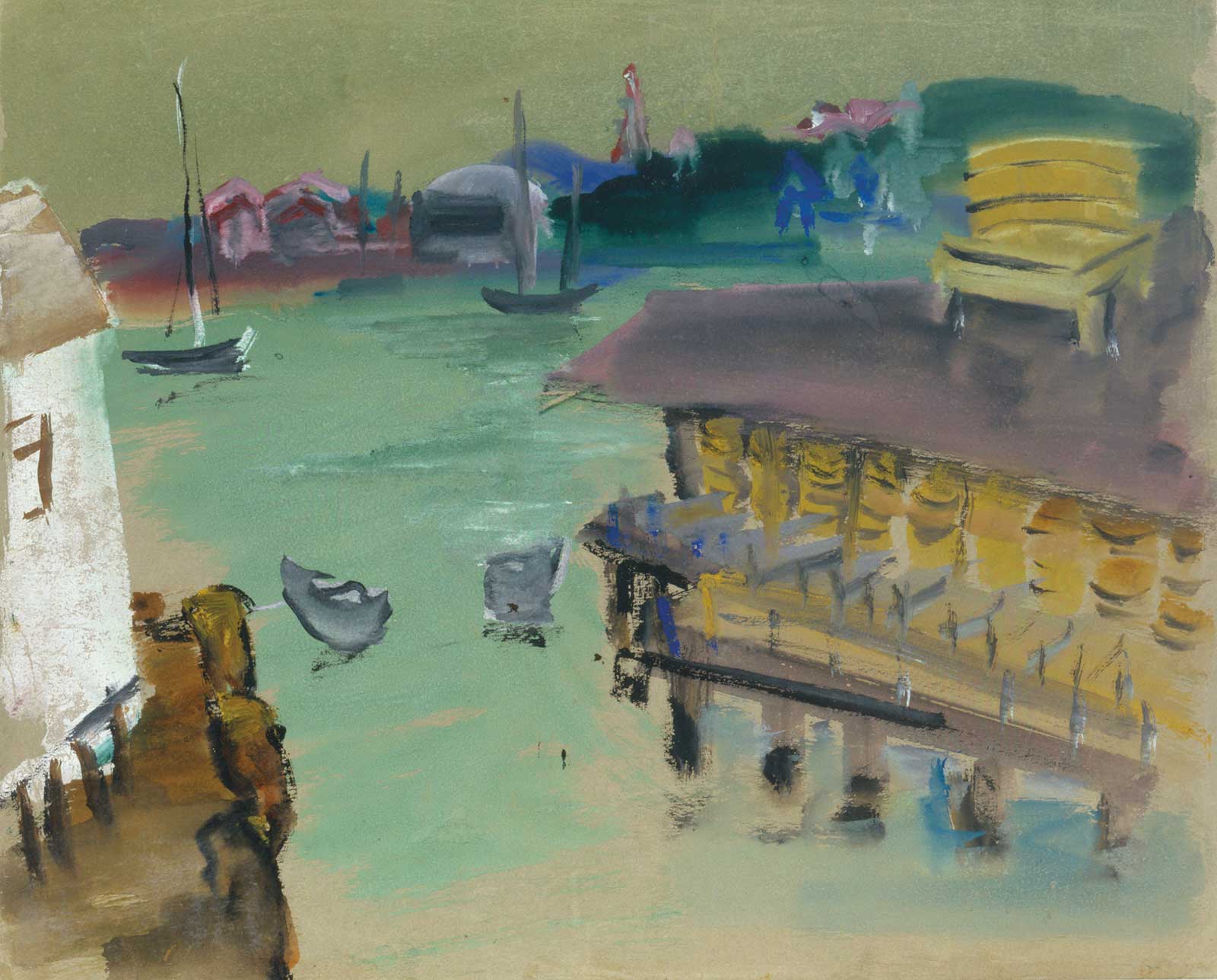
Mark Rothko 1903-1970), Untitled (wharf, Gloucester, Massachusetts), 1934. Watercolor on construction paper, 12¼ x 15 in. Collection of Christopher Rothko, 1076.25-27. © 2026 Kate Rothko Prizel & Christopher Rothko/Artists Rights Society (ARS), New York
Rothko was a man of the city and referred to “that island of Paradise which is N.Y. City.” His daughter, Kate Rothko Prizel recalls in the catalogue, “Joseph Liss (1911-1988) once observed, ‘Rothko wasn’t much of a nature man, no Thoreau he.’” He did venture out of the city to be with friends in Gloucester and, later, Provincetown, however. Prizel relates, “It was always clear to me that the only enticement for my father to leave the ‘paradise’ of New York City was not to escape all the concrete reflecting the summer heat, but rather to enjoy the social connections he established wherever we summered. He would take up where he left off with old friends but was always open to establishing new intellectual connections with interesting people. This is what made the time he had to spend ‘in nature’ tolerable.”
Adam Greenhalgh, who is associate curator at the National Gallery of Art and lead author of the online catalogue raisonné of Rothko’s works on paper, writes in the catalogue, “Rothko also made numerous watercolors of bathers, possibly working en plein air alongside Gottlieb, Avery and their families, who appear in several works. Rothko, though, was not particularly concerned with accurately portraying identifiable individuals, conveying with minimal means the clear, bright sunlight, and the coastline’s sandy expanse, by brushing in broad swaths of translucent jewel tones offset by sandy browns and grays. In most cases, figural groups are clustered in angular arrangements.”
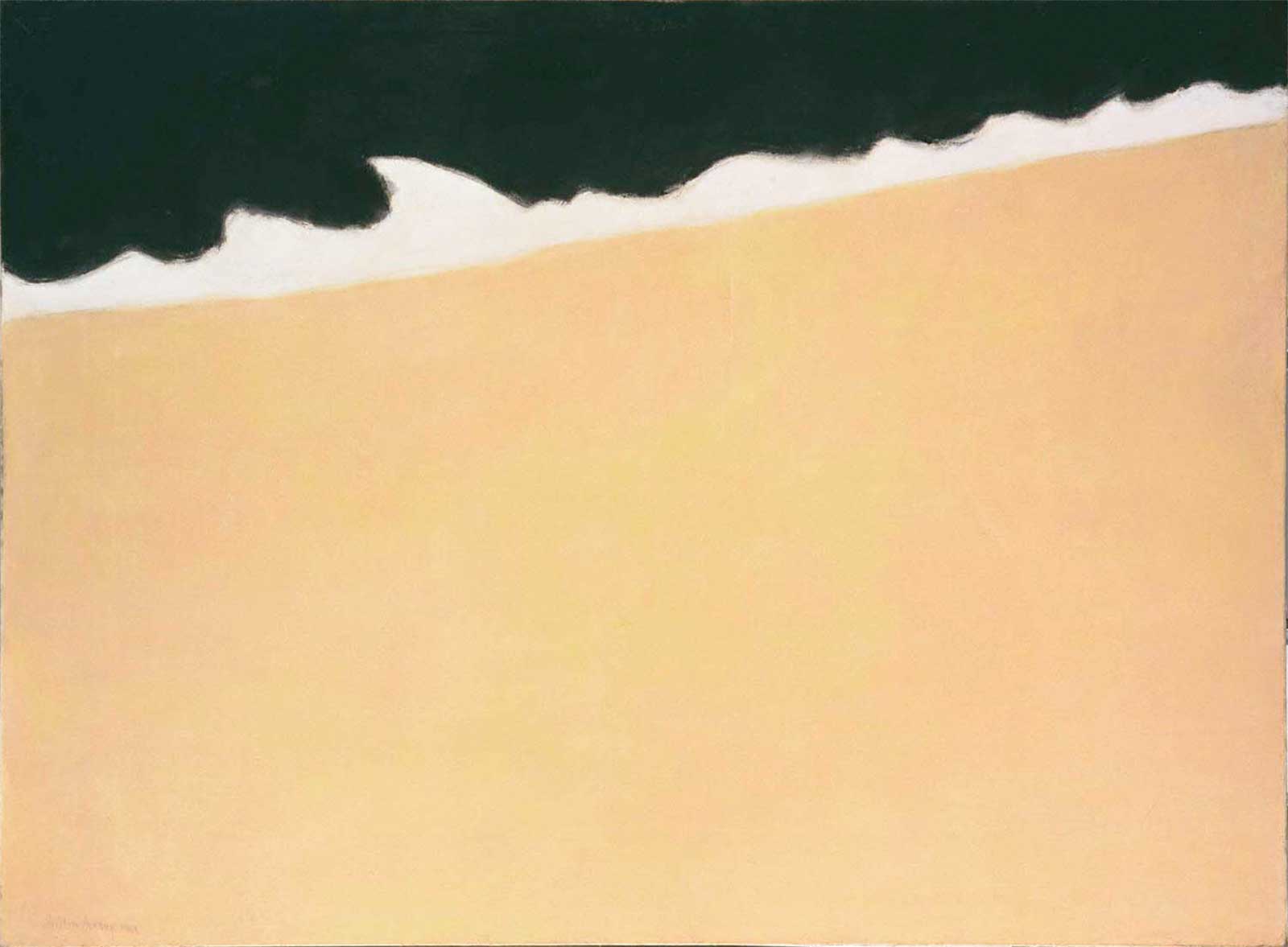
Milton Avery (1885-1965), Black Sea, 1959. Oil on canvas, 50 x 67 ¾ in. The Phillips Collection, Washington, DC. Acquired 1965, 0035. © 2026 The Milton Avery Trust / Artists Rights Society (ARS), New York
Rathbone adds, “So many artists, from Edward and Josephine Hopper to Winslow Homer and John Sloan, discovered Cape Ann’s magnificent light and other natural qualities for painting and creating art. It has been eye-opening for me to explore how Avery, Gottlieb and Rothko were among them, too. How the three artists worked together, were inspired by one another, although working in very different styles of painting and drawing, tells an interesting—yet mostly untold—story about American art during those years.” —
Powered by Froala Editor