In the mid-1900s, more than kicks could be found along Route 66. Cutting across the country as never before, the expansive highway represented a major technological development that paralleled revolutionary movements in mid-century American art. This pivotal time in history is the theme of a new exhibition hosted by the Philbrook Museum of Art in Tulsa, Oklahoma.
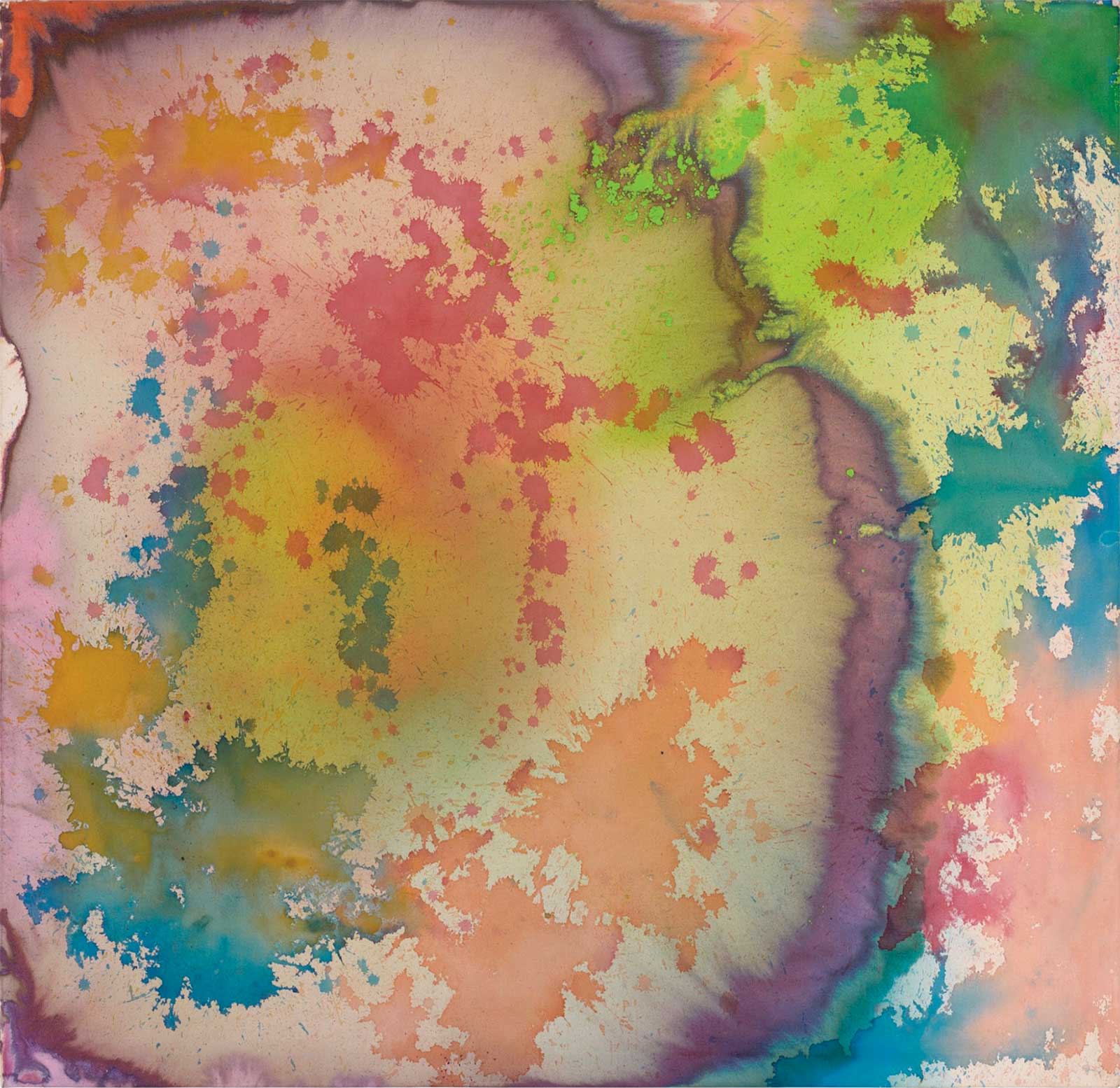
Vivian Springford (1913–2003), Untitled (VSF243) from Expansionist series, 1972. Acrylic on canvas, 495/8 x 52 in. Philbrook Art & Gardens, Tulsa, Oklahoma. Museum purchase, Taber Art Fund. © Vivian Springford. Photograph courtesy Sotheby’s, Inc.
“One of our primary goals is to show that art doesn’t happen in a vacuum,” says museum president and CEO Megan Whittaker Nesbit. “It’s in conversation with and often shaped by what’s going on in the world, in pop culture and, in this case, by the fact that people in the U.S. could suddenly travel more broadly and independently.”
The show features several pieces moving through movements such as regionalism, abstract expressionism and minimalism. Quintessential artists include Georgia O’Keeffe, Andy Warhol, Helen Frankenthaler and Ed Ruscha, among many others.
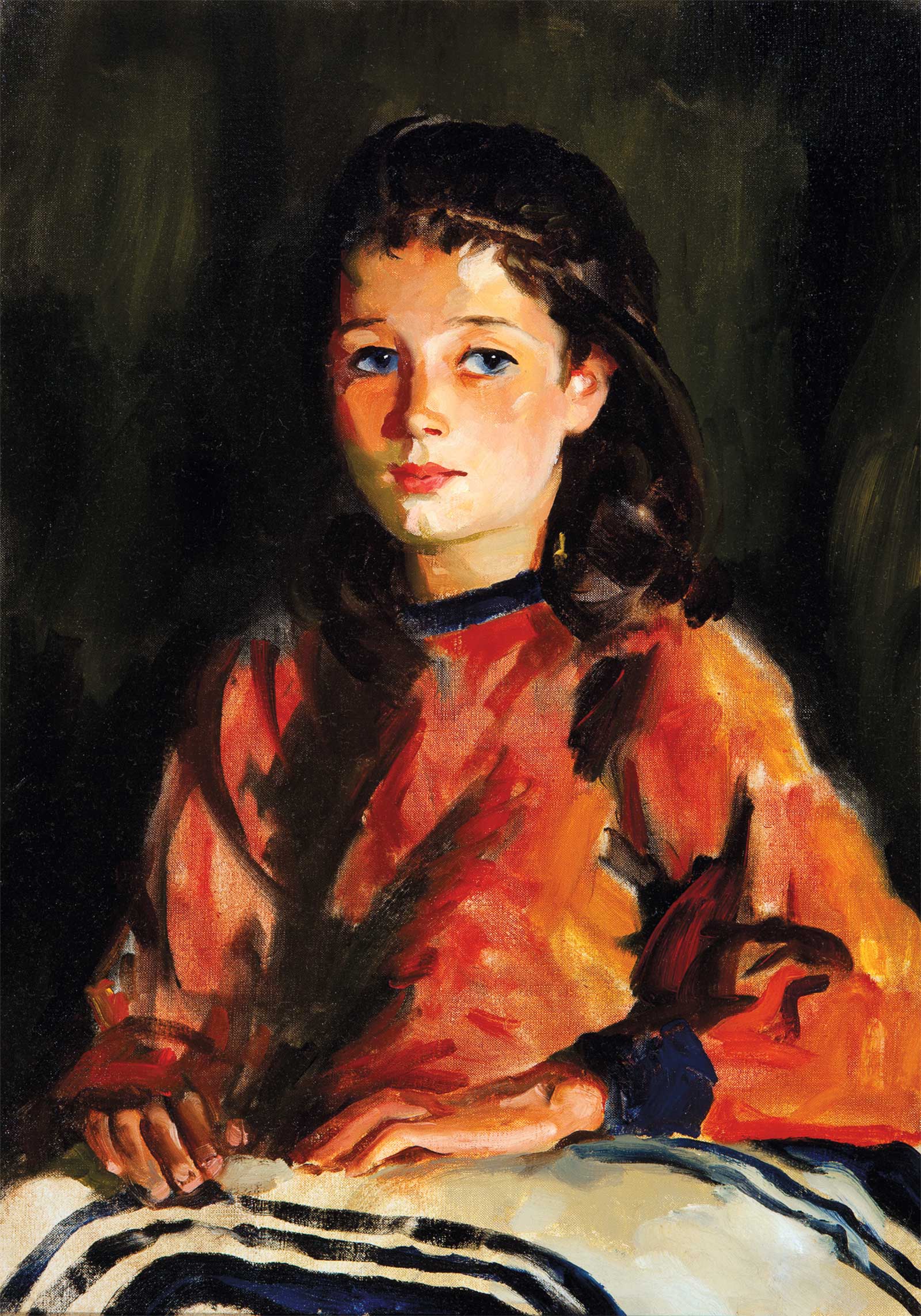
Robert Henri (1865–1929), Portrait of Mary Patton, 1927. Oil on canvas, 28 x 20 in. Philbrook Art & Gardens, Tulsa, Oklahoma. Gift of Maurice DeVinna Charitable Trust, 2017.2.
Nesbit was also the curator for the exhibition and says it focuses on four years that are depicted through photographs, objects and other information alongside the artwork. This allows visitors to make connections and see the effects of the times on artists and their work.
One such grouping shows a photo of the Bikini Atoll nuclear testing site, alongside a photo of the first fashion bikini along with a piece titled Silver Discs by Morris Louis. “The proximity allows viewers to surface connections themselves,” Nesbit says.
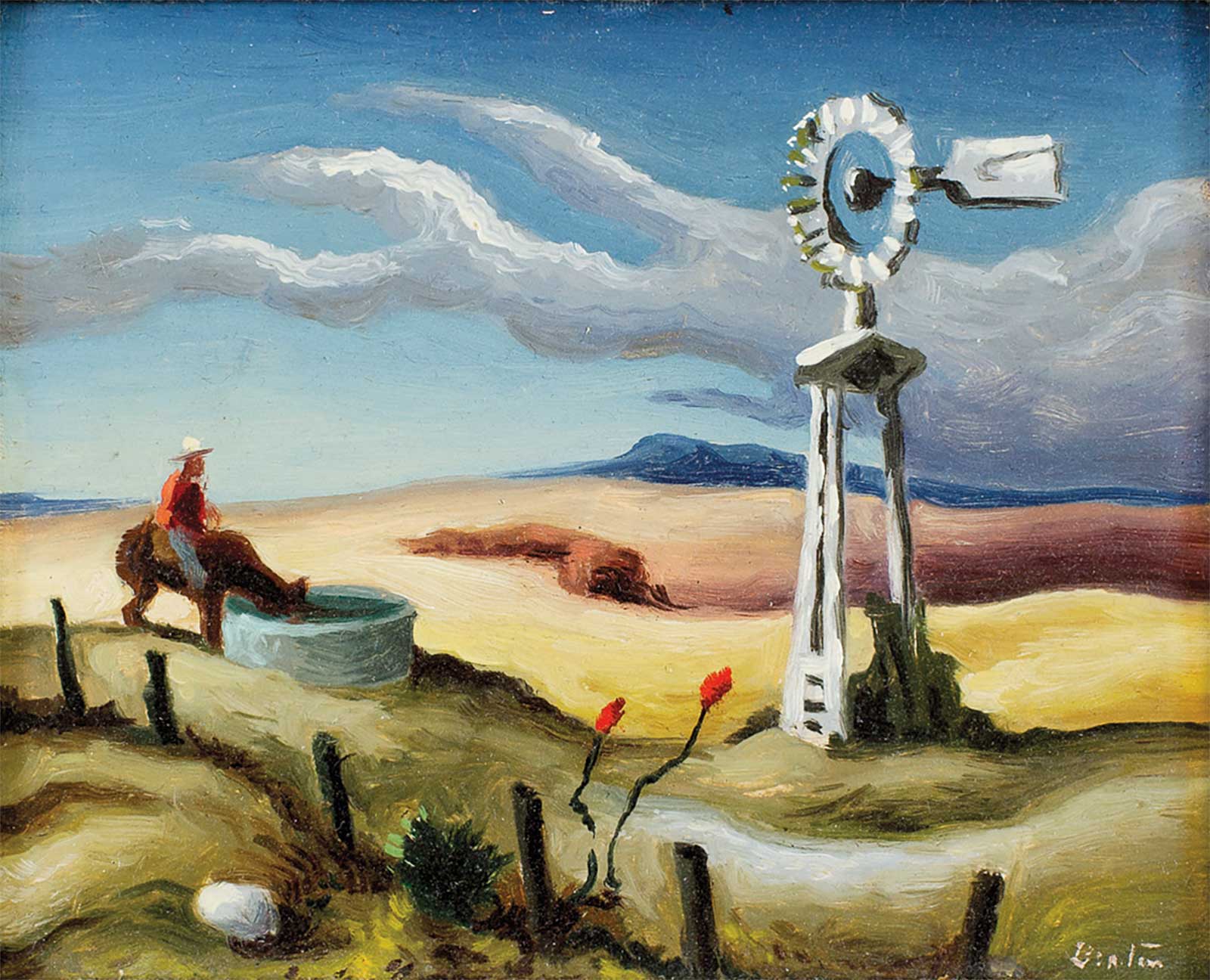
Thomas Hart Benton (1889-1975), Study for Open Country, ca. 1950. Oil on panel, 45/8 x 55/8 in. Philbrook Art & Gardens, Tulsa, Oklahoma. Gift of Harrison Jedel in memory of Scott Sanditen, 2000.8. © Thomas Hart Benton
While many pieces are on loan from other collections, the exhibition allows the Philbrook to highlight several works from their own stores that speak to the shift in American Modernism. Nesbit says the exhibition brings a perfect opportunity to display new acquisitions from artists who often received less attention in their time.
Two of these are color field artist Vivian Springford and abstract expressionist Mary Abbott. “[These paintings] help tell the story of American abstraction in the 20th century,” Nesbit says. “In particular, reminding audiences that women painters were working and exhibiting alongside Jackson Pollock and others who received more attention at the time.”
Nesbit says she is excited to give the two women space in the show because it is a reminder of their struggle, as well as a chance to spearhead the elevation of their work to their rightful place in history. “In short: they were doing the work, but they weren’t getting the attention, primarily because they were women,” Nesbit says. “Both artists’ estates have been revisited more closely in recent years, and we are learning how central they actually were to these movements. Giving them space…feels like helping to correct the record.”
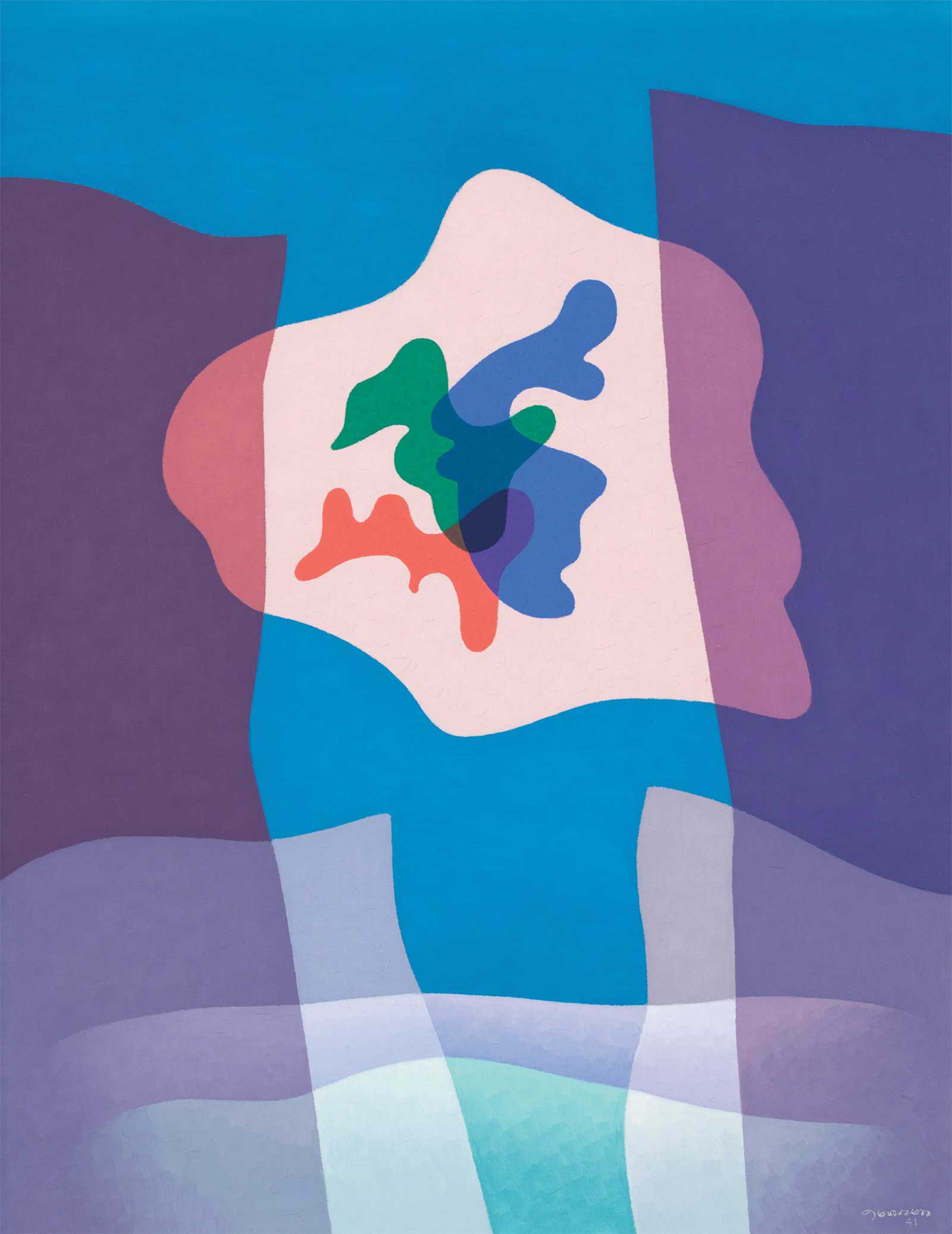
Raymond Jonson (1891-1982), Oil No. 2, 1941. Oil on canvas, 213/4 x 16½ in. Philbrook Art & Gardens, Tulsa, Oklahoma. Museum purchase, Taber Art Fund, 2022.10. © Raymond Jonson
The show is currently on view and will continue to hang through January 3, 2027. Not only does the exhibition carry viewers west along Route 66 and through a pivotal time in American art, but it also carries them back in time. Nesbit highlights a Model T car as the first thing visitors encounter, bringing nostalgic memories along for the ride.
“In general, it has been rewarding to see people make personal connections to their own life stories while following the timeline,” Nesbit says. “Particularly in the ‘60s era, many revisit what it was like to experience that time, which was disruptive in both good and bad ways. It makes sense that it was also a disruptive movement in art.” —
Powered by Froala Editor