Jennifer Krieger is the founder and managing partner of Hawthorne Fine Art, a Manhattan-based gallery that specializes in 19th and early 20th-century American art, with a focus on Hudson River School and impressionist paintings, and works by historic women artists.
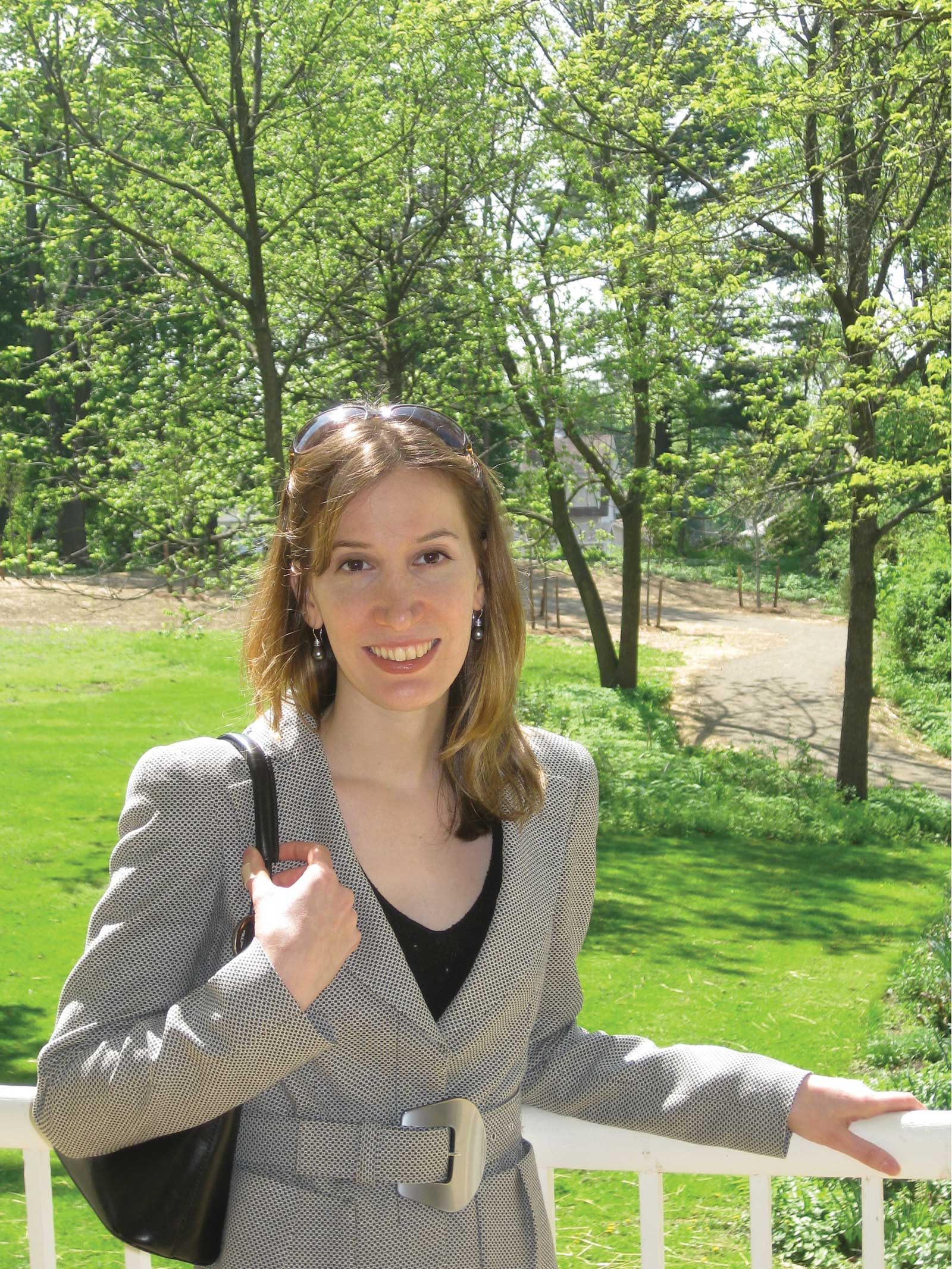
Jennifer Krieger, Managing Partner, Hawthorne Fine Art
You opened Hawthorne Fine Art in 2005 when you were 28 years old, an age most would agree is quite young for such a venture. Did you have mentors along the way?
Yes, I was blessed to be taken under the wings of several mentors at the beginning of my career. Karen Lucic was the American art history Professor at Vassar College. She first introduced me to the field of American art. I’m not sure I would have pursued that area if it weren’t for her exquisite teaching and wonderful guidance. The content of her courses went beyond the standard textbooks and included marginalized figures and voices, challenging the art historical canon. Eric Baumgartner, senior vice president and director of American paintings and sculpture at Hirschl & Adler, hired me as an intern in 1997 at the age of 20, and first showed me that the world of art scholarship and art dealing are not at all exclusive of one another, and that, when combined with each other, the best results are achieved and the strongest collections and relationships are built. Stephen Edidin, deputy director and chief curator of the Dahesh Museum of Art, taught me important research methods as a curatorial intern and entrusted me to work as an emissary for the Overcoming All Obstacles: Women of the Academie Julian exhibition (1999-2000) to secure important loans for the show from the Academie Del Debbio. And Debra Force bravely hired me as an intern the summer of 1999 when she opened Debra Force Fine Art. She showed me firsthand that women can do it and kindly let me be a part of the building-block effort of opening a major art gallery.
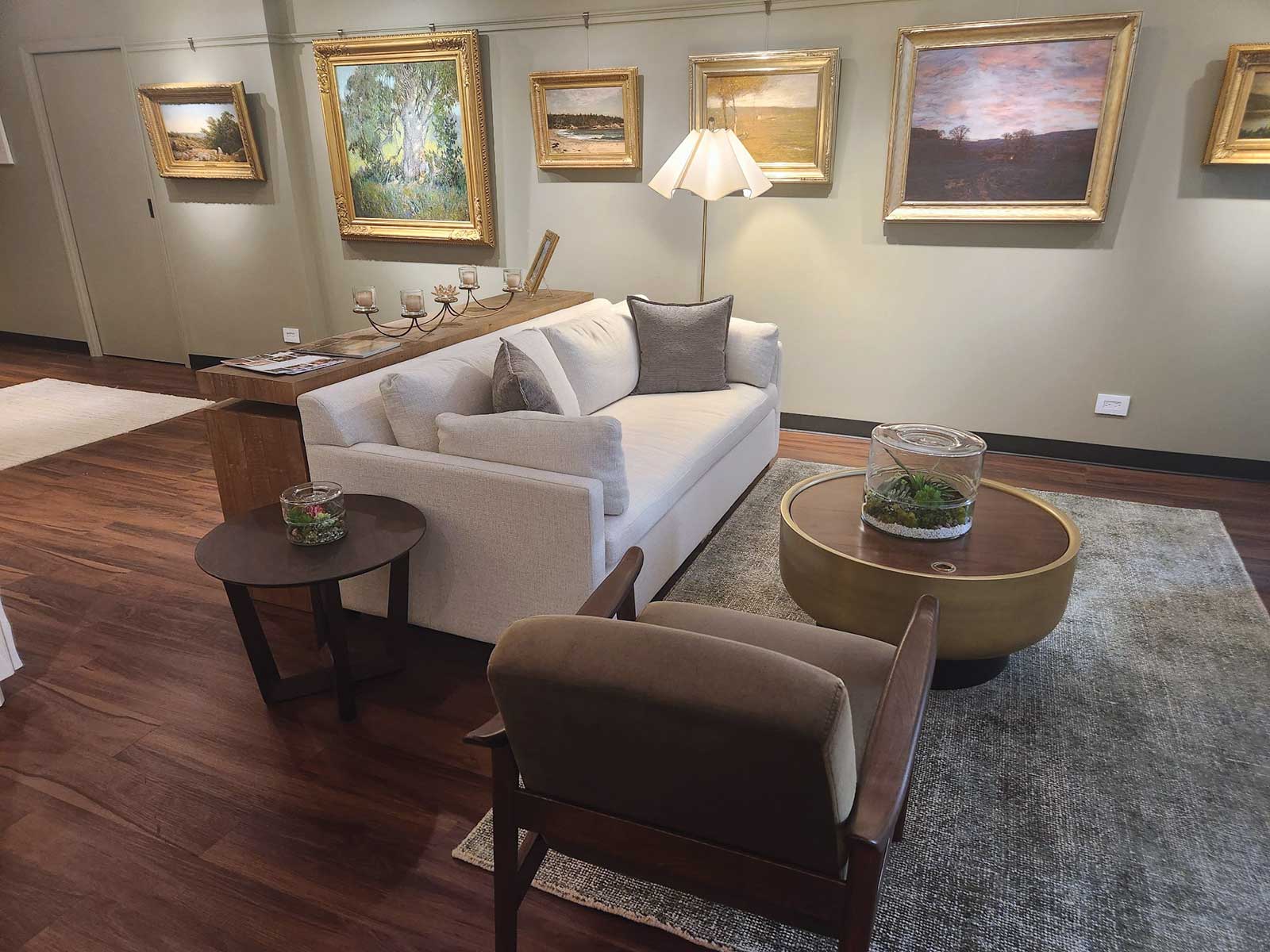
Interior of Hawthorne Fine Art.
When and how did your relationship with fine art begin?
It began when I took an AP art history class in high school. Suddenly, I saw history light up in three dimensions and I loved learning stories through art. Whether these stories were about the artist, his/her time period, subject, etc., I began to feel and experience them through images and also learn about what constitutes beauty and expression of self and form.
How did it lead to establishing a gallery in New York?
I continued my studies as an art history and French major at Vassar College. When I was a student there, I worked in the Frances Lehman Loeb Art Center, where I gravitated towards the Hudson River School landscape paintings, which I was able to admire firsthand in the museum galleries and study in my art history classes. I also took women studies classes at the time, and they got me thinking about the women artists who would have been present in the movement and seek them out. Once I graduated and began working in the American art gallery world, I was motivated to open my own gallery and carve out a place for forgotten but deserving artists and works of rare beauty and importance. I remain very grateful to the people, forces and timing that enabled me to do so.
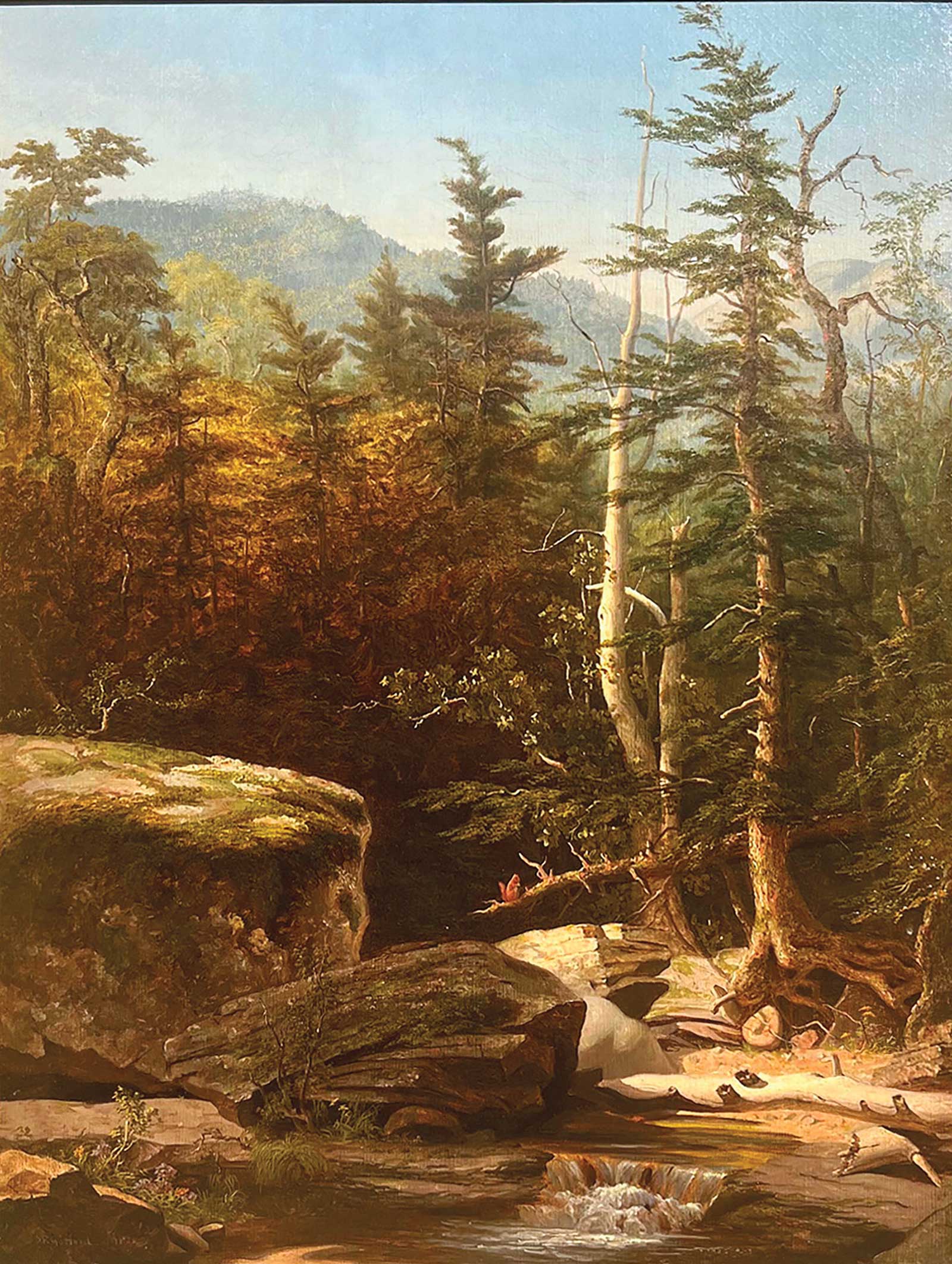
Sanford Robinson Gifford (1823-1880), Kauterskill Clove or A Scene from Nature in the Catskills, 1850. Oil on canvas, 40 x 303⁄8 in., signed and dated 1850, lower left.
What was your first major acquisition and sale?
It was a Frederic Church painting of Mt. Katahdin, Maine, from 1878 to a major philanthropist and collector of the time. The painting depicted a writer named Alexander L. “A.L.” Holley in a canoe at sunset. Holley accompanied Church on this camping trip to Maine with fellow artists Sanford Gifford, Horace Robbins and Lockwood de Forest (and five local guides) and penned an 1878 Scribner’s article titled “Camps and Tramps about Ktaadn” to record their adventures. The work displayed the intersection of the art and literary worlds. Visually, the luminous atmosphere of the painting hinted towards the influence of Transcendentalist thought, interweaving philosophy and poetry as well. My favorite works can be seen and interpreted as interdisciplinary in this way where each discipline informs and enhances the other.
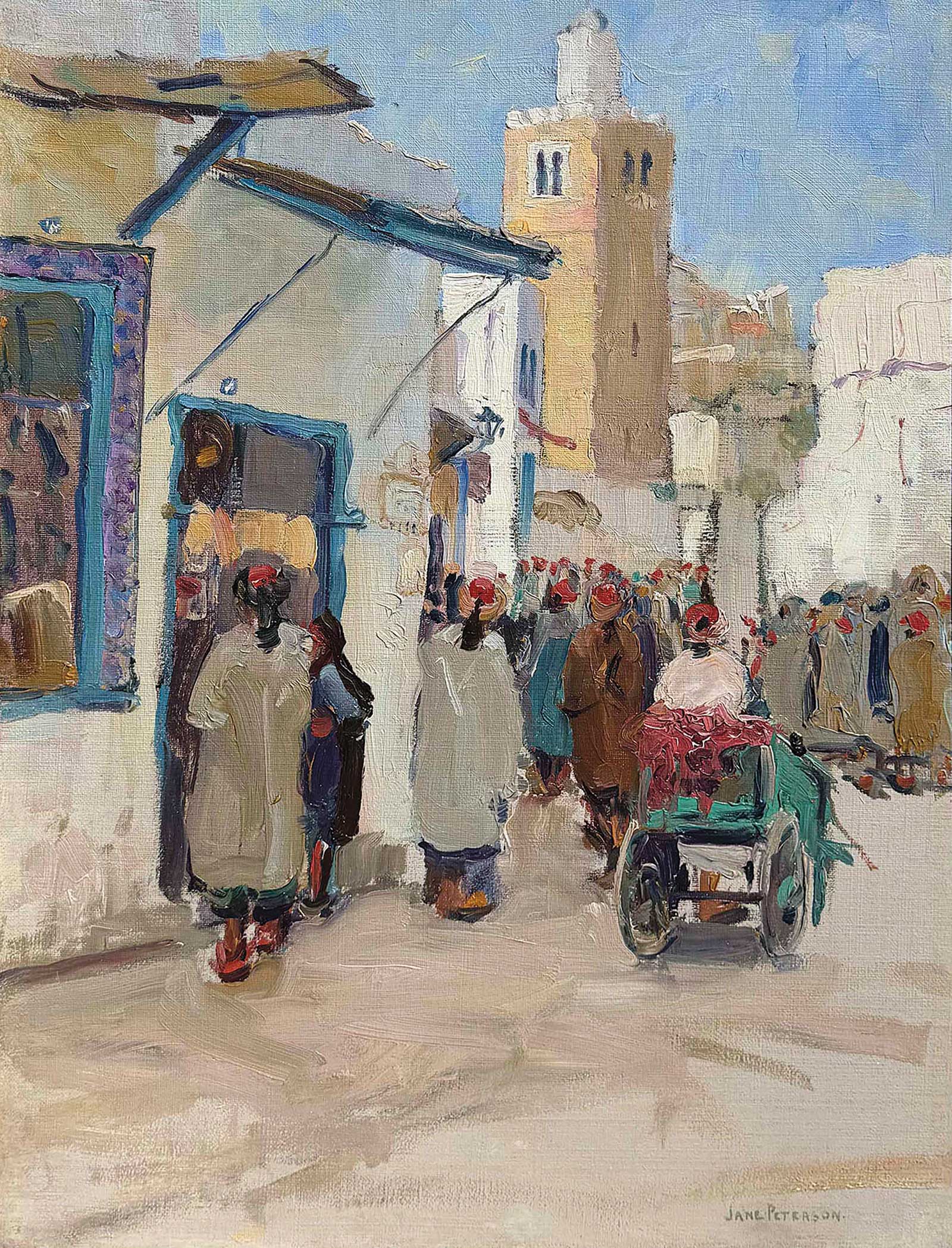
Jane Peterson (1876-1965), North African Street Scene, ca.1910. Oil on canvas, 24 x 18 in., signed lower right.
What attracted you to 19th/ early 20th century American paintings and specifically those by women artists?
I was drawn to their poetic description of nature. As an avid hiker and mountain biker, I appreciated the woodland scenes and sweeping vistas, and the felt perception of the natural world. And I kept thinking how amazing that these women of the Hudson River School could paint often without access to formal training, how they could market and sell their art when there were obstacles to their exhibiting it, and how they could capture their subjects outdoors with the cumbersome conventional dress of the 19th century. Appreciating their incredible talents while imagining the difficulties they encountered made me want to become their champion and rescue them from obscurity together with other scholars and colleagues who are similarly motivated.
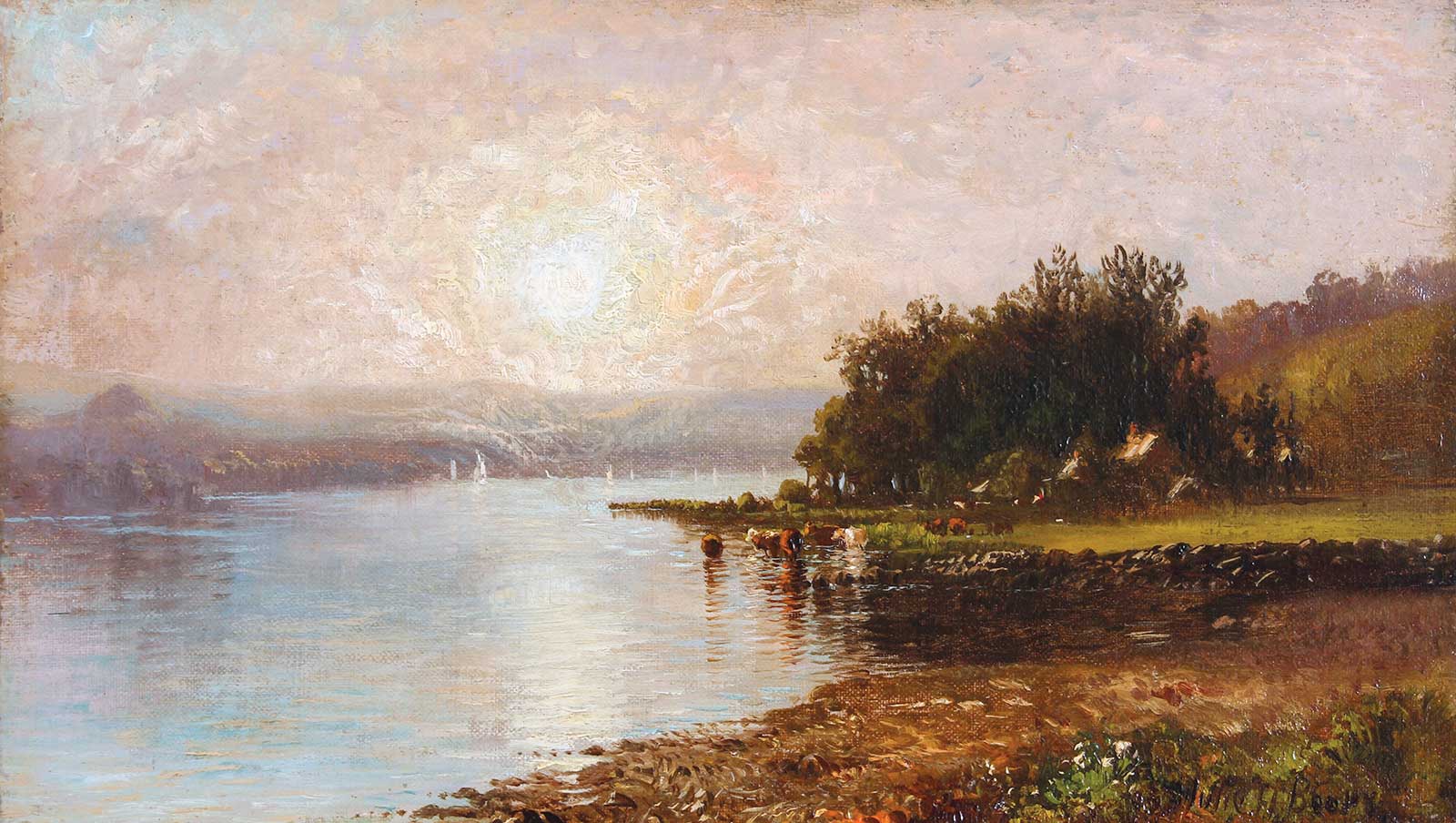
Julie Hart Beers (1835-1913), Landscape on the Hudson. Oil on canvas, 81/16 x 14 in., signed lower right.
Navigating the world of fine art requires not only a keen eye for aesthetic value but also a robust understanding of market dynamics, client relations and historical context. How do you keep yourself savvy in all of these arenas?
I try to read magazines such as yours and other periodicals to absorb the latest research and trends. I also follow the public and private market for American art and try to ascertain patterns and trends. I also make an effort to see and examine as many works in person as possible whether they hang in other galleries, museums and auction houses to hone my eye and learn about the range of each artist. There is no substitute for firsthand observation even in this digital age!
How do you determine the value of a piece of art in a changing market? How do you decide a work is the right acquisition for your gallery?
I look up public auction records and inquire about related private sales. The works that we select have to represent the best of their period and examples by their maker and have to remain in excellent, intact condition.
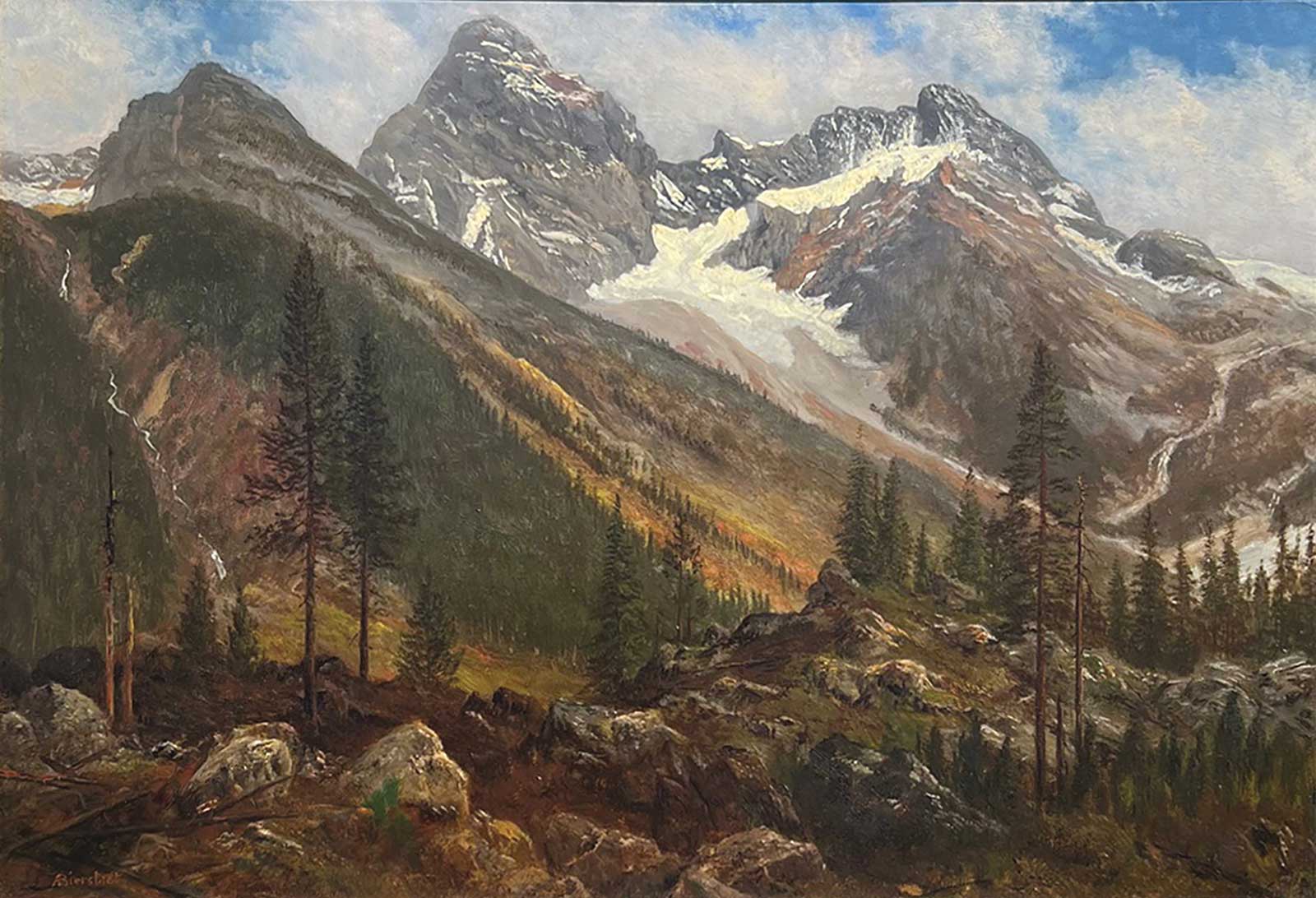
Albert Bierstadt (1830-1902) Sierra Nevada Mountains, ca. 1871-3. Oil on paper mounted to canvas, 19 x 28 in., signed lower left, inscription verso indicating location.
What trends are you seeing in the historic American art market right now?
I continue to seek the work of women artists as their stories continue to unfold and shine bright.
What is the most gratifying aspect of what you do?
Contributing to the discovery of hidden gems, artists of latent but deserving talent, and adding to the field of art historical research in recording and composing artist biographies as well as helping to build public and private collections that can be cherished for generations. I also enjoy getting to work alongside my associate, Megan Bongiovanni, who is not only a kind and easy-going work partner, but also the most incredible researcher and artist biographer I know.
What are the most challenging aspects of your job?
Having enough time to accomplish my goals.
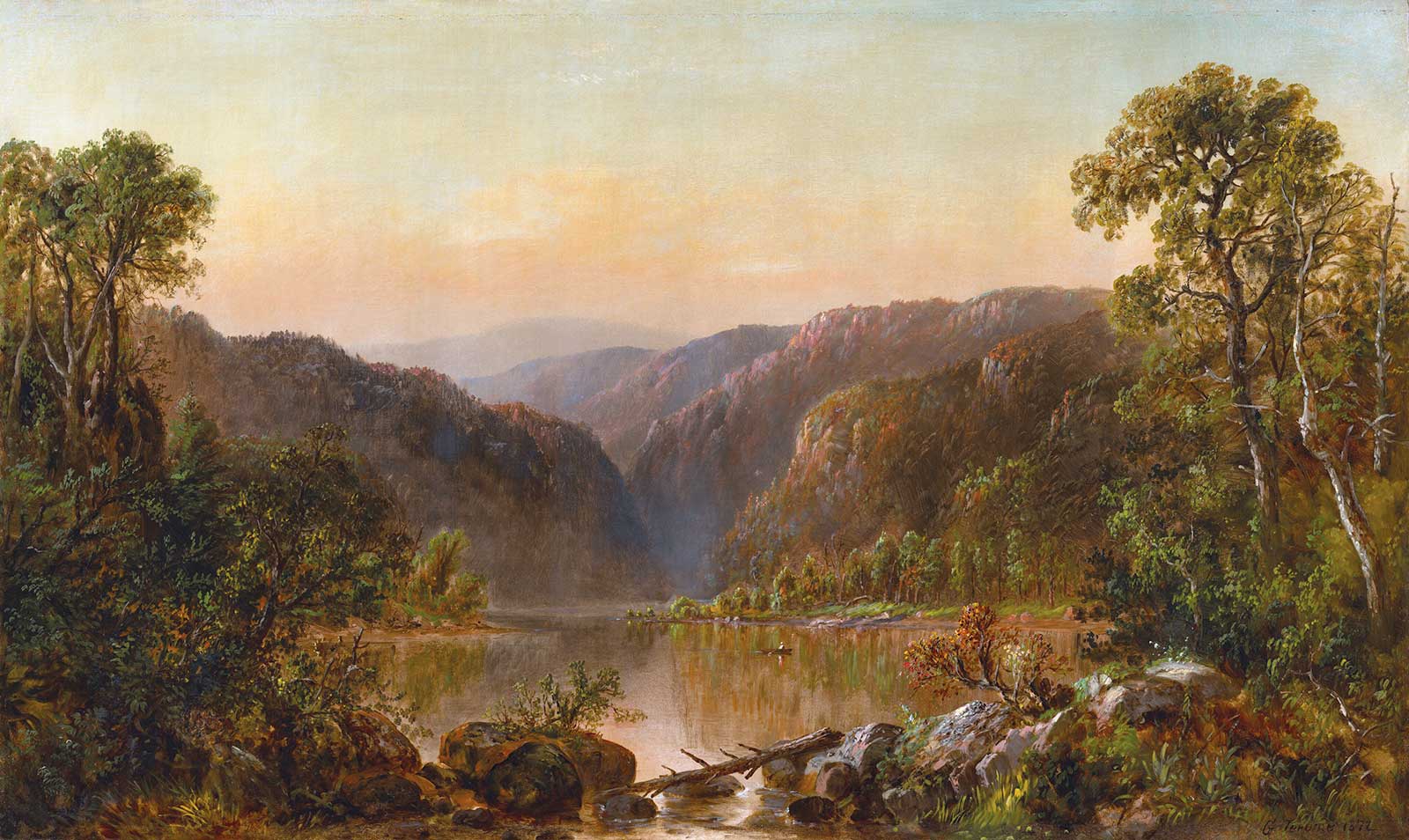
Elizabeth Gilbert Jerome (1824-1910) American Landscape, 1872. Oil on canvas, Gift of Funds from James and Christiane Valone in honor of Franklin Kelly, 2025.25. The first Hudson River School landscape by a woman artist to be acquired by the National Gallery of Art and hang in their galleries. It was the last acquisition curator Frank Kelly made before his retirement and the funds to purchase it were given in his honor.
Can you share a memorable anecdote from your time as a gallery owner?
One of the most rewarding aspects of my work is visiting museums and seeing works that we have placed in their galleries, knowing in many cases that until these acquisitions, works by women artist were not included in these galleries devoted to earlier American art.
How do you stay passionate about art when faced with the pressures of the market?
I try to remind myself of the goals that first motivated me to open my own gallery.
What challenges have you faced as a woman in this business? What advice would you give to other women considering a similar path?
I have been asked from time to time about the existence of a Mr. Hawthorne, the imagined man behind the name of our gallery and assumed owner. But since I named the gallery after the author Nathaniel Hawthorne (1804-1864), and I am the gallery owner, I explain that Mr. Hawthorne as owner of Hawthorne Fine Art doesn’t exist and express that it is more than okay for a business to be run by women. I would encourage other women in this business and in other fields to feel the same conviction.
Powered by Froala Editor