Celebrated landscape artist Wolf Kahn (1927-2020) used to say, “Pastel is the dust on butterflies’ wings.” His passion and dedication to his craft are on display in a new exhibition at Jerald Melberg Gallery in Charlotte, North Carolina.
Gallery owner Jerald Melberg has slowly acquired pieces over the years and has finally amassed a collection of Kahn’s work large enough for an exhibition. The survey of pastel works features around 25 pieces and is currently on view through November 14. Melberg says he hopes the show highlights Kahn’s bold color theory, as well as the confidence in each stroke.
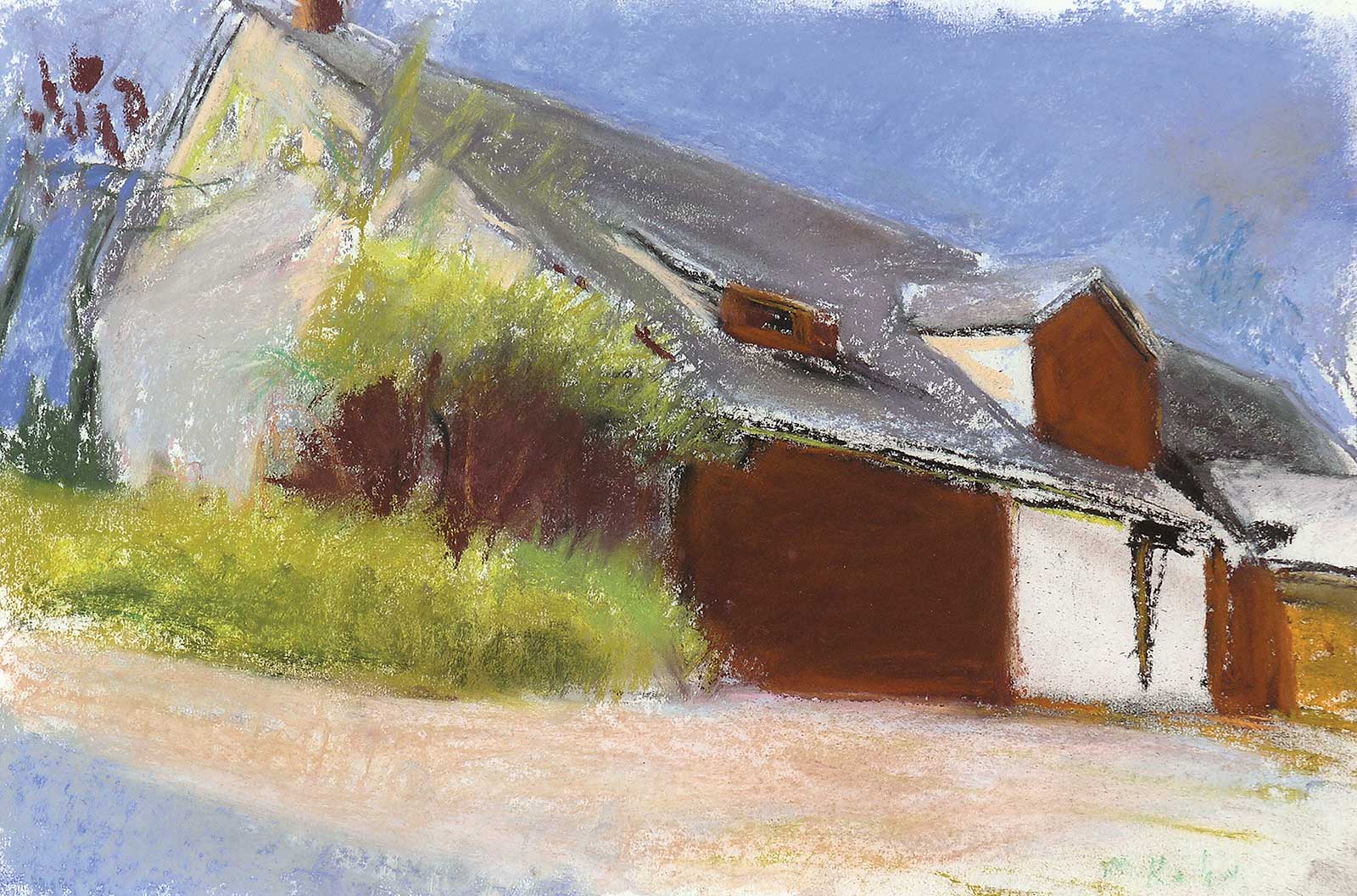
Wolf Kahn (1927-2020), Barn in Water Mill, 2026. Pastel, on paper 12 x 18 in.
Kahn arrived in the United States from Germany in 1940 and began studying fine art at several schools across the country, honing his unique style in a time of ever-evolving art movements. Philosophies of color field and American impressionism can be felt in his work, whether it is a tree-filled landscape or a dreamy figure study. Kahn went on to win several awards, including the 2016 International Medal of Arts from the United States Department of State, and the Lifetime Achievement Award from the National Academy of Design and School of Fine Arts.
“Wolf Kahn was a brilliant colorist and he did indeed push boundaries,” Melberg says. “But he did not do so for shock value. He did so because that’s what he saw.” A longtime friend of the artist, Melberg remembers Kahn’s unique descriptions of colors, including “lemonade yellow,” and “Pepto pink.”
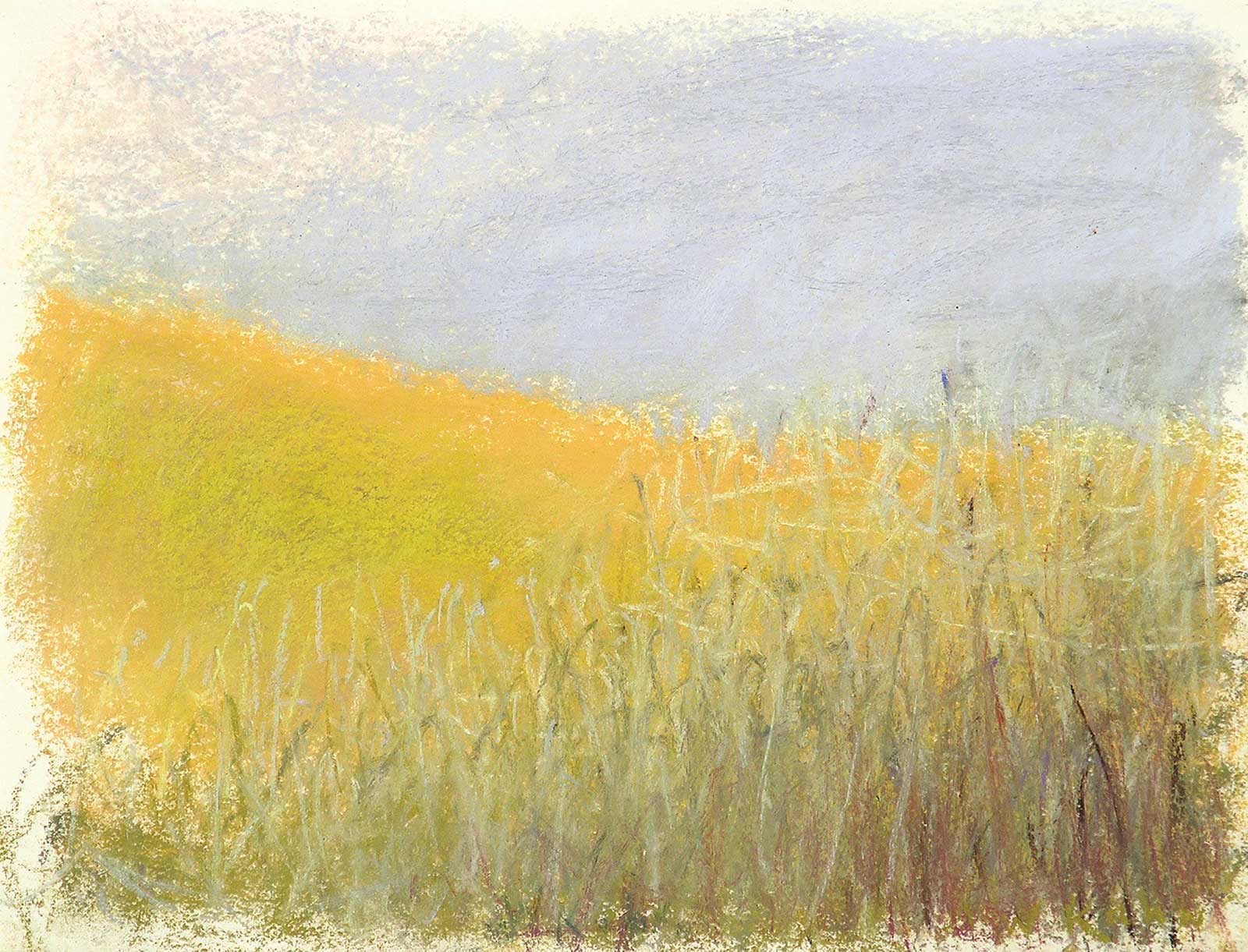
Wolf Kahn (1927-2020), Summer Pasture, 2005. Pastel on paper, 9 x 12 in.
Kahn often worked on-site with a pad of paper and a pastel set, drawing directly from observation of scenes around his home in Brattleboro, Vermont. One of his favorite subjects was his own barn, which can be seen in works such as Barn in Water Mill. Melberg says that even though Kahn saw and painted the barn thousands of times, each piece made it seem fresh and new.
Back in his studio, his imagination took hold of the subject, leading to more expressive colors and lines. “I was privileged to have spent over 40 years as his friend and would visit him in his studio in New York frequently,” Melberg says. “He would see something in a painting, walk over and make four or five big strokes across the canvas, and then return to his original work. Such self-assuredness was a natural occurrence for him.”
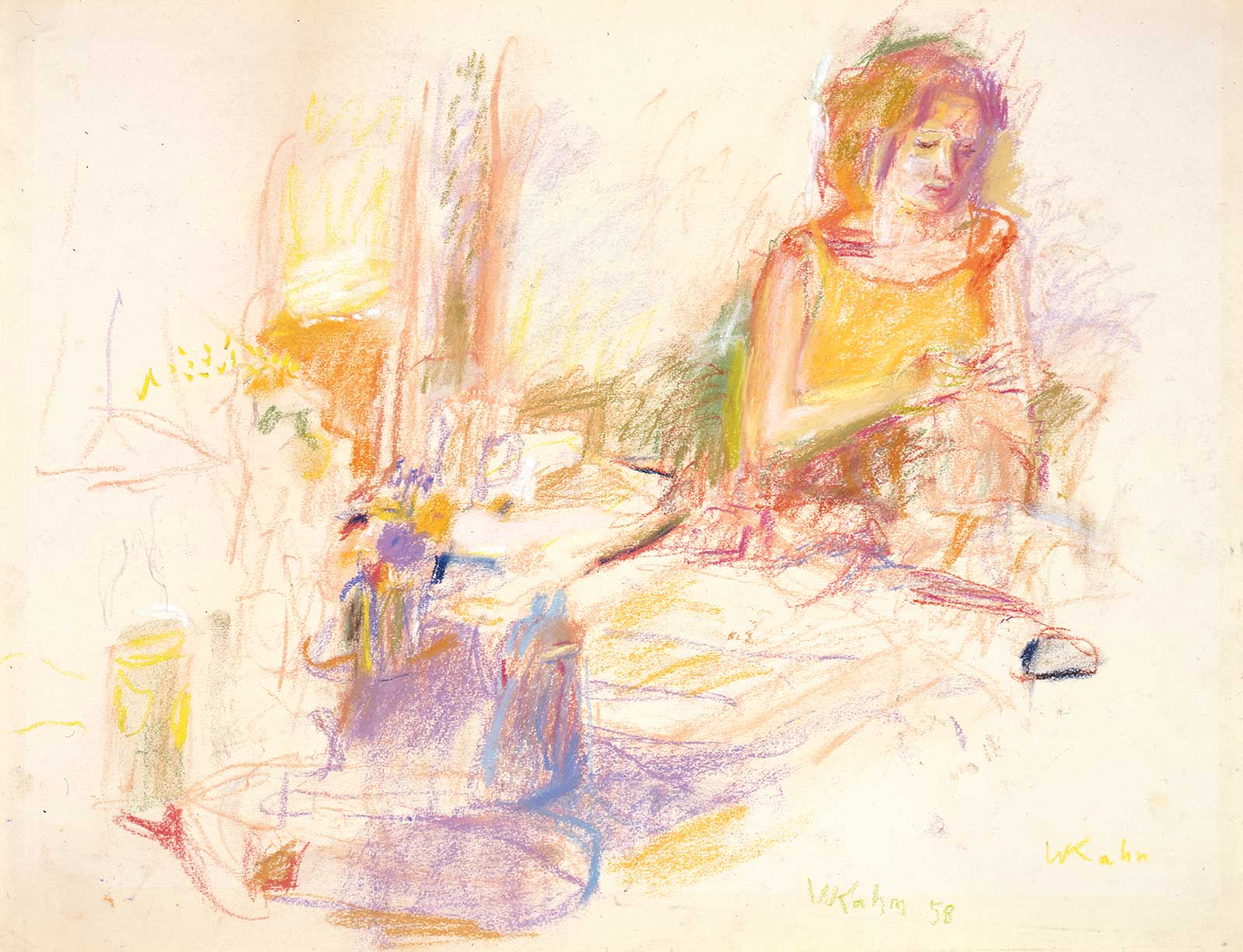
Wolf Kahn (1927-2020), Emily in Venezia, 1958. Pastel on paper, 18 x 23 in.
Melberg says he believes collectors are drawn to Kahn, as well as pastel works in general, because of the immediacy the medium lends to its subjects. In a statement from the gallery, Melberg describes Kahn’s use of the medium: “It is precisely the fusion of color, spontaneity and representation that has produced such a rich and expressive body of work with unmatched luminosity.”
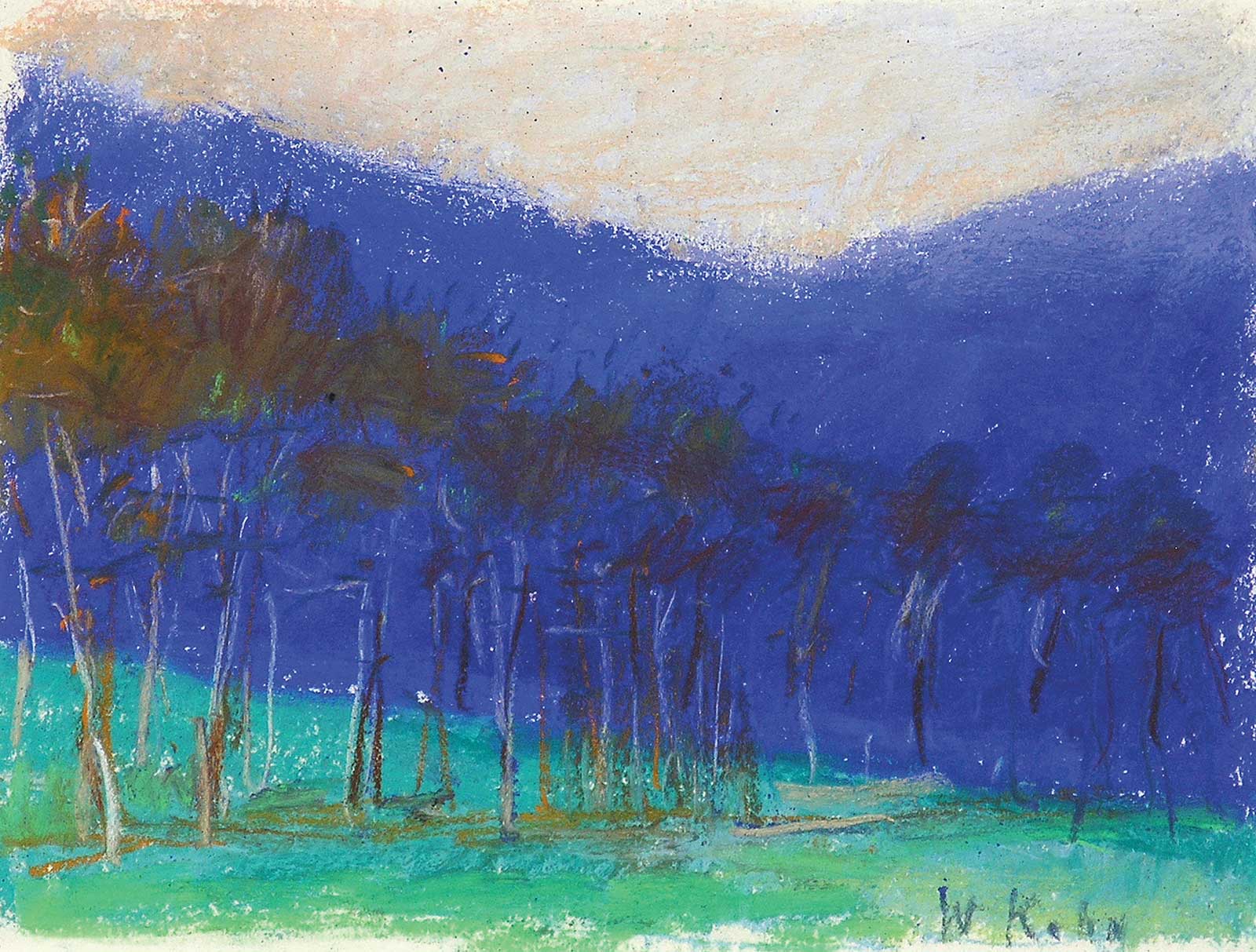
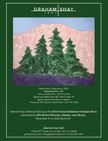
Wolf Kahn (1927-2020), Trees Fading into Blue, 1999. Pastel on paper, 7 x 9½ in. All images courtesy Jerald Melberg Gallery.
Kahn provided an essential basis to Melberg’s gallery since its opening in 1983, aligning with the gallery’s goals of representing both classic and contemporary work, and the fusion between the two. Melberg hopes viewers get a sense of the unwavering confidence that guided Kahn’s creative process.
“He would intimidate me because he was so smart…he was an amazing man,” Melberg says. “I would hope that people take away how assured Wolf Kahn was as an artist: his eyes, his hands, his mind worked in tandem with the full understanding of his process.” —
Powered by Froala Editor