Every museum begins with an act of stewardship.
Someone believes a painting should be preserved, a scientific discovery shared, a historic object protected for generations to come. Every community wants to ensure its story is not forgotten, and every child deserves the opportunity to experience wonder, ask questions and expand their understanding of the world and their place within it.
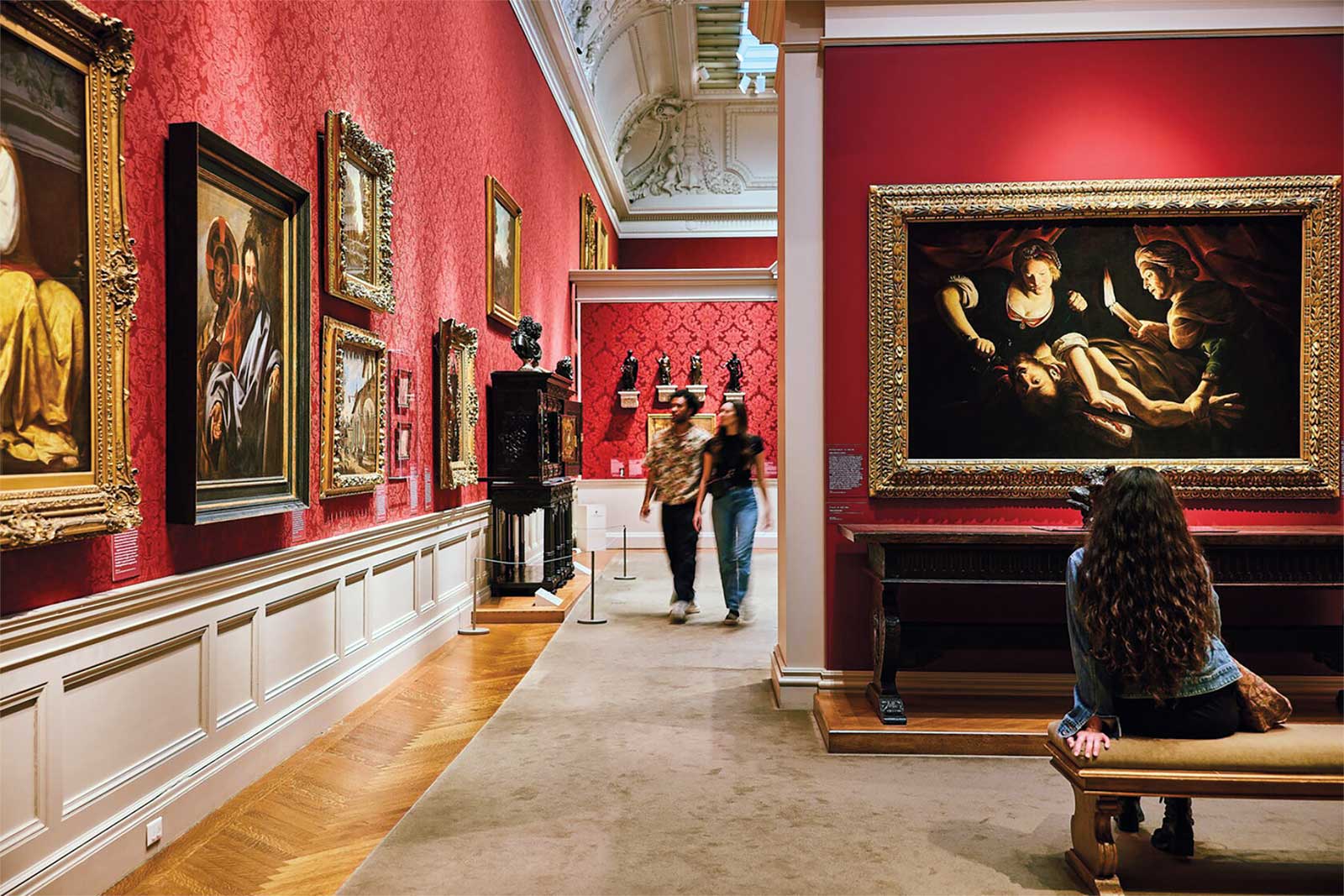
: The Walters Museum of Art, Baltimore, MD. Courtesy Visit Baltimore.
Museums take many forms, but they are united by a common purpose: preserving our shared heritage, expanding knowledge, inspiring creativity and helping people better understand the world and one another.
That purpose was tested over the last year and a half.
Museums across the United States faced extraordinary challenges, from unprecedented threats to federal funding to renewed debates about the stories museums tell and the role they play in American life. Yet amid that uncertainty, something remarkable happened. The museum community—and the millions of people who value it—responded with extraordinary clarity, conviction and unity. The result was the largest grassroots advocacy campaign in the history of the American Alliance of Museums. More than 90,000 messages were sent to Congress. Tens of thousands of museum professionals, trustees, volunteers, artists, educators, collectors and supporters participated in advocacy campaigns, webinars, surveys and public engagement efforts. Tens of thousands of news stories highlighted the indispensable role museums play in communities nationwide and shared firsthand stories of their impact with policymakers and the public.
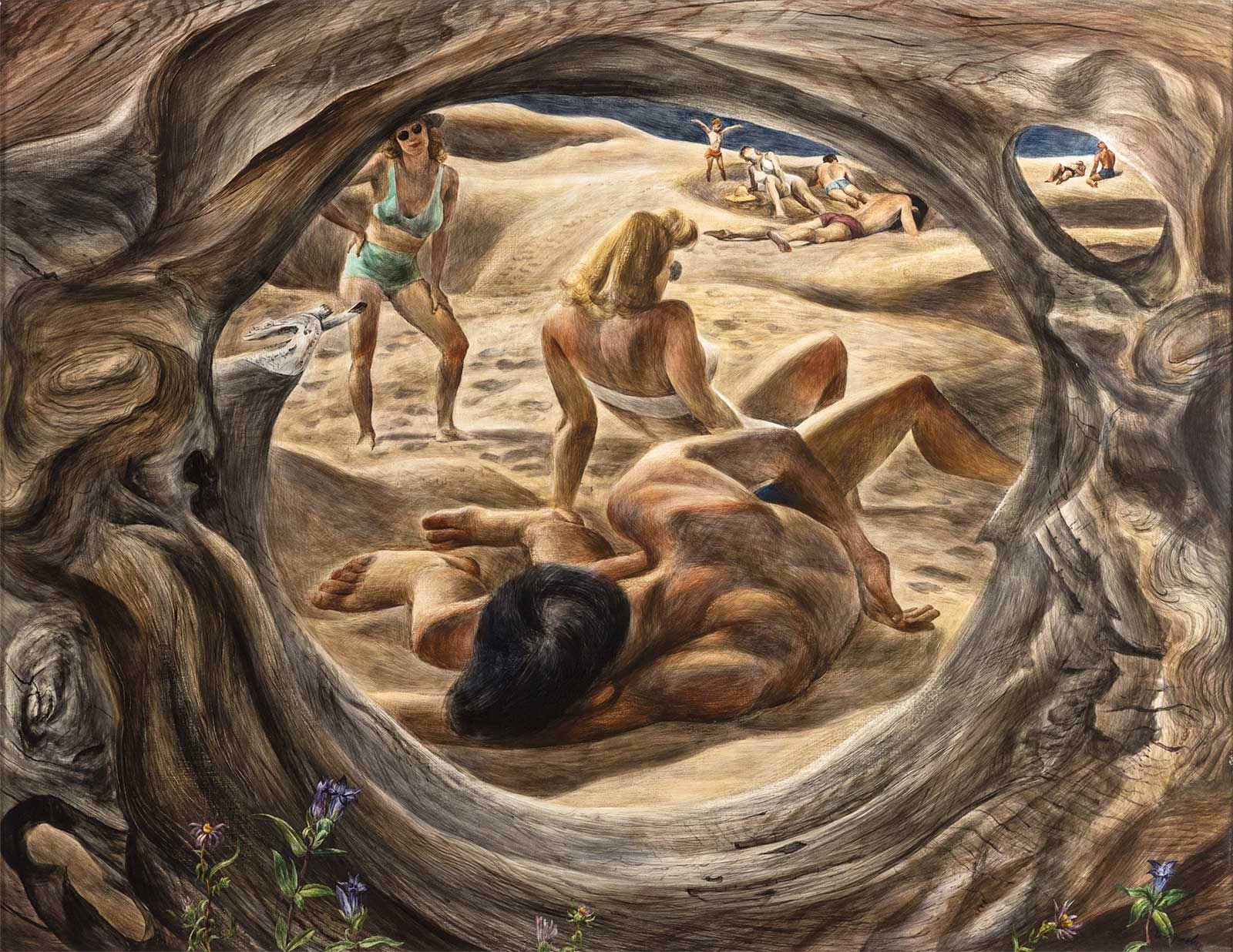
Mint Museum, Driftwood, 1941. Egg tempura on panel by Zoltan Sepeshy (1898-1974). Museum purchase: Funds provided by The Katherine McKay Belk Charitable Fund and an Anonymous Donor. 2025.54.
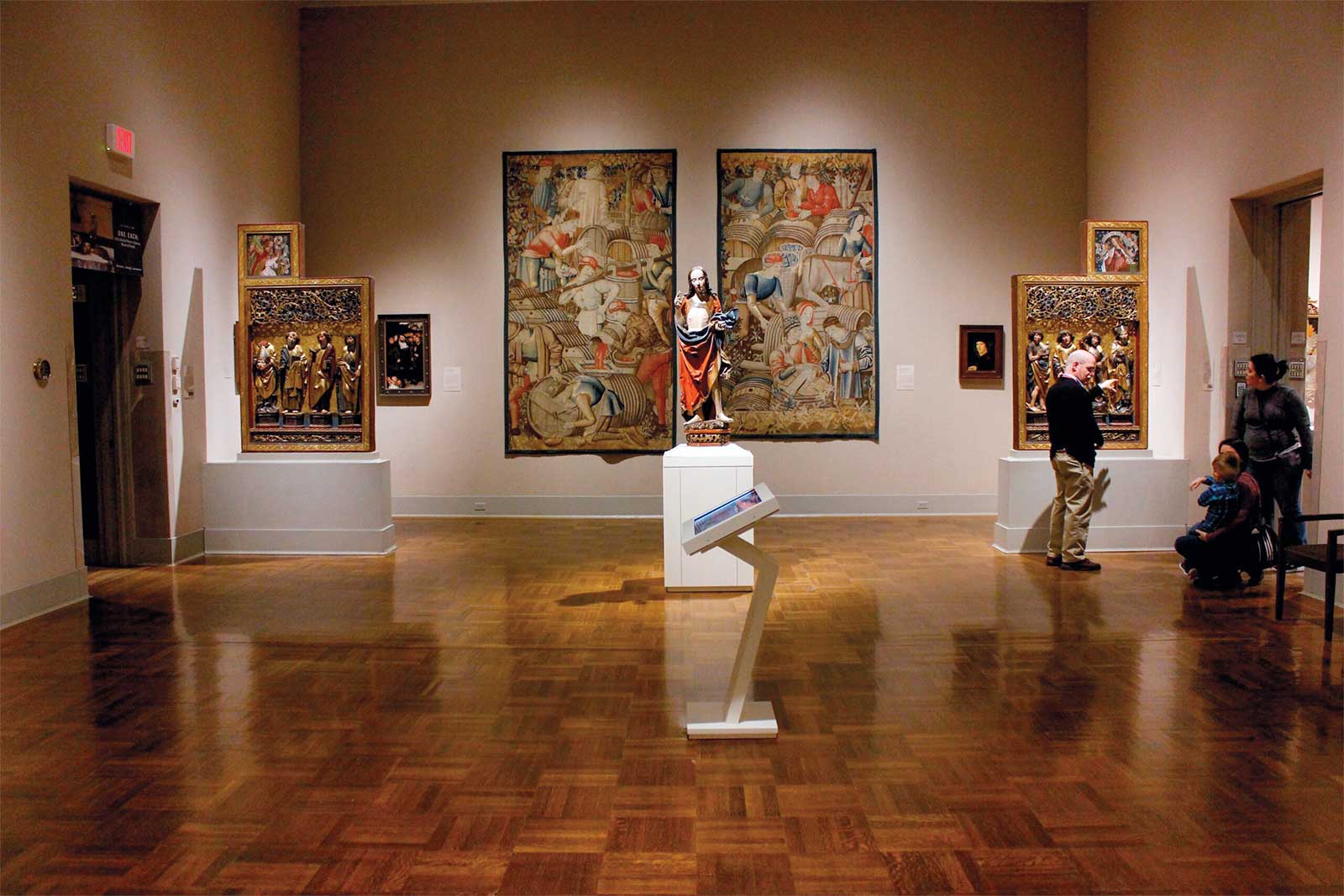
The Toledo Museum of Art (TMA) has designated approximately $2.5 million in planned gifts to establish a long-term source of funding for staff professional development. TMA incorporated the anticipated yield from the endowment into its annual operating budget, ensuring stable, recurring support for learning and growth across all departments
Those efforts produced tangible results. Due to combined sector-wide advocacy and legal efforts, attempts to dismantle the Institute of Museum and Library Services were halted, terminated grants were reinstated, and federal support for museums remained intact. Bipartisan support on Capitol Hill grew as the Congressional Museum Caucus doubled in size.
These victories mattered. But the most enduring outcome was not only legal and legislative, it was a renewed public conversation about why museums matter. Museums are far more than places where collections are cared for. They are where creativity is nurtured, where conservators safeguard irreplaceable works for future generations, and where scholarship, curiosity and imagination come together in service of the public.
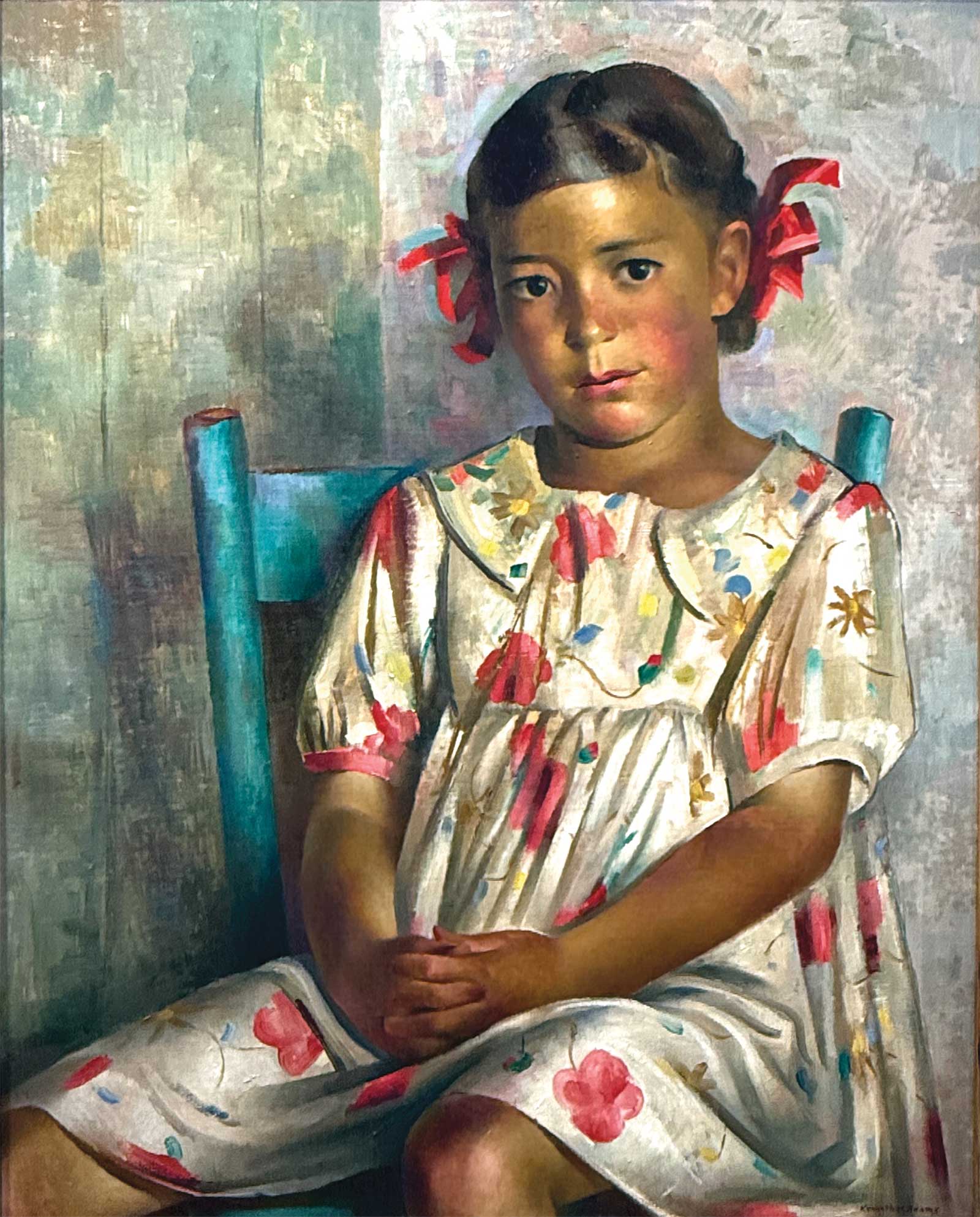
Couse-Sharp Historic Site, Juanita, ca. 1937. Oil on canvas, 30 x 24 in., by Kenneth Miller Adams (1897-1966). Courtesy Tia Collection.
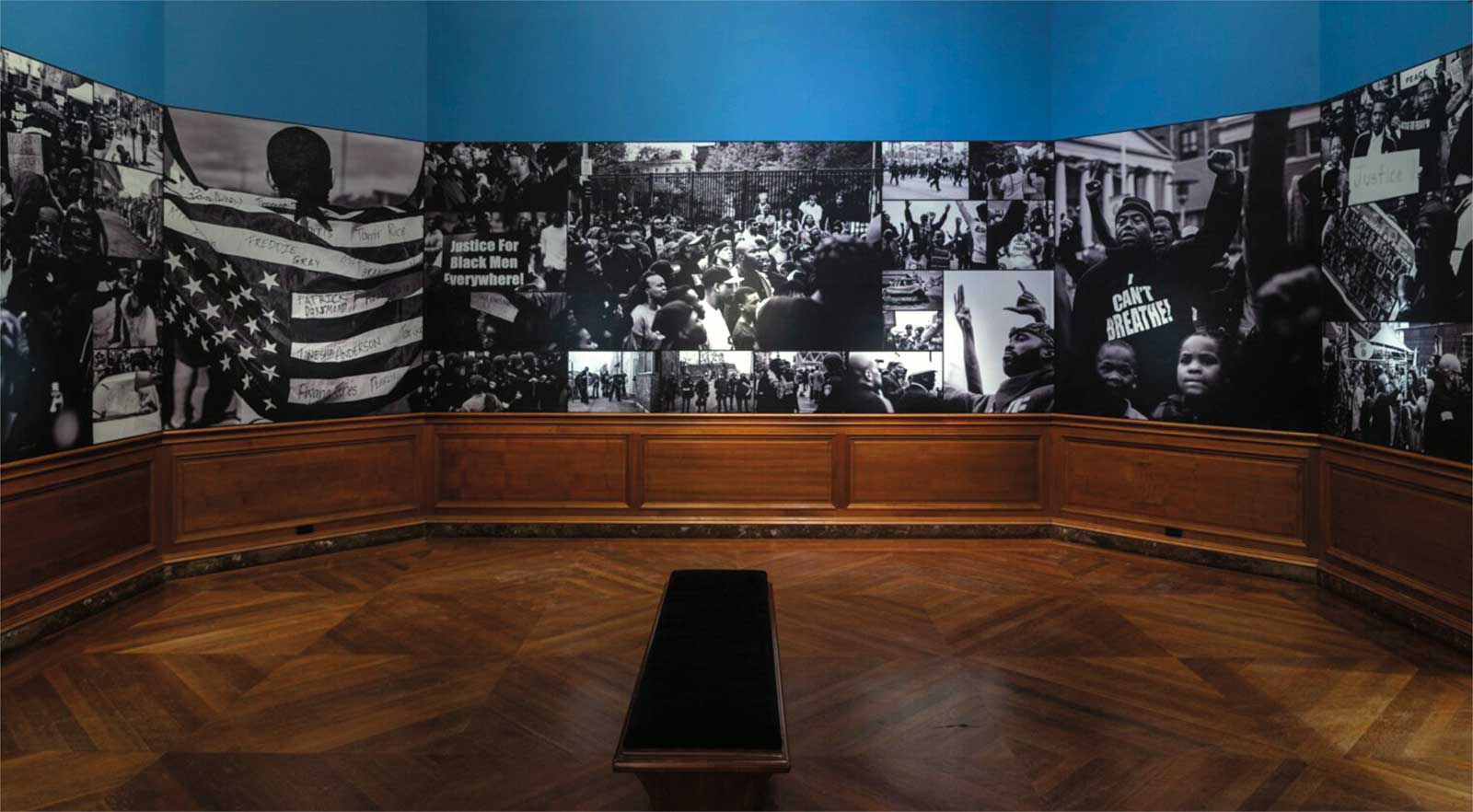
The Baltimore Museum of Art raised $1.46 million to support Diversity, Equity, Accessibility, and Inclusion (DEAI) initiatives, evening access, and raises to create new baseline pay for all employees. Installation view of Heavy with History: Devin Allen and the Baltimore Uprising, courtesy Baltimore Museum of Art, Baltimore, MD.
Whether welcoming a child on their first museum visit, conserving a fragile work of art, presenting groundbreaking scientific research, or creating spaces where neighbors come together to learn and reflect, museums create experiences that cannot be replicated elsewhere. They preserve our shared heritage while continually making space for new voices, new ideas and new forms of creativity and discovery.
But their impact extends well beyond their walls. Museums strengthen local economies by attracting tourism, supporting jobs and partnering with businesses. They serve as educational resources for millions of students each year, provide gathering places that foster civic dialog and belonging, and help communities preserve the stories, traditions and identities that define them. They are engines of learning, catalysts for economic vitality and trusted institutions that connect people across generations.
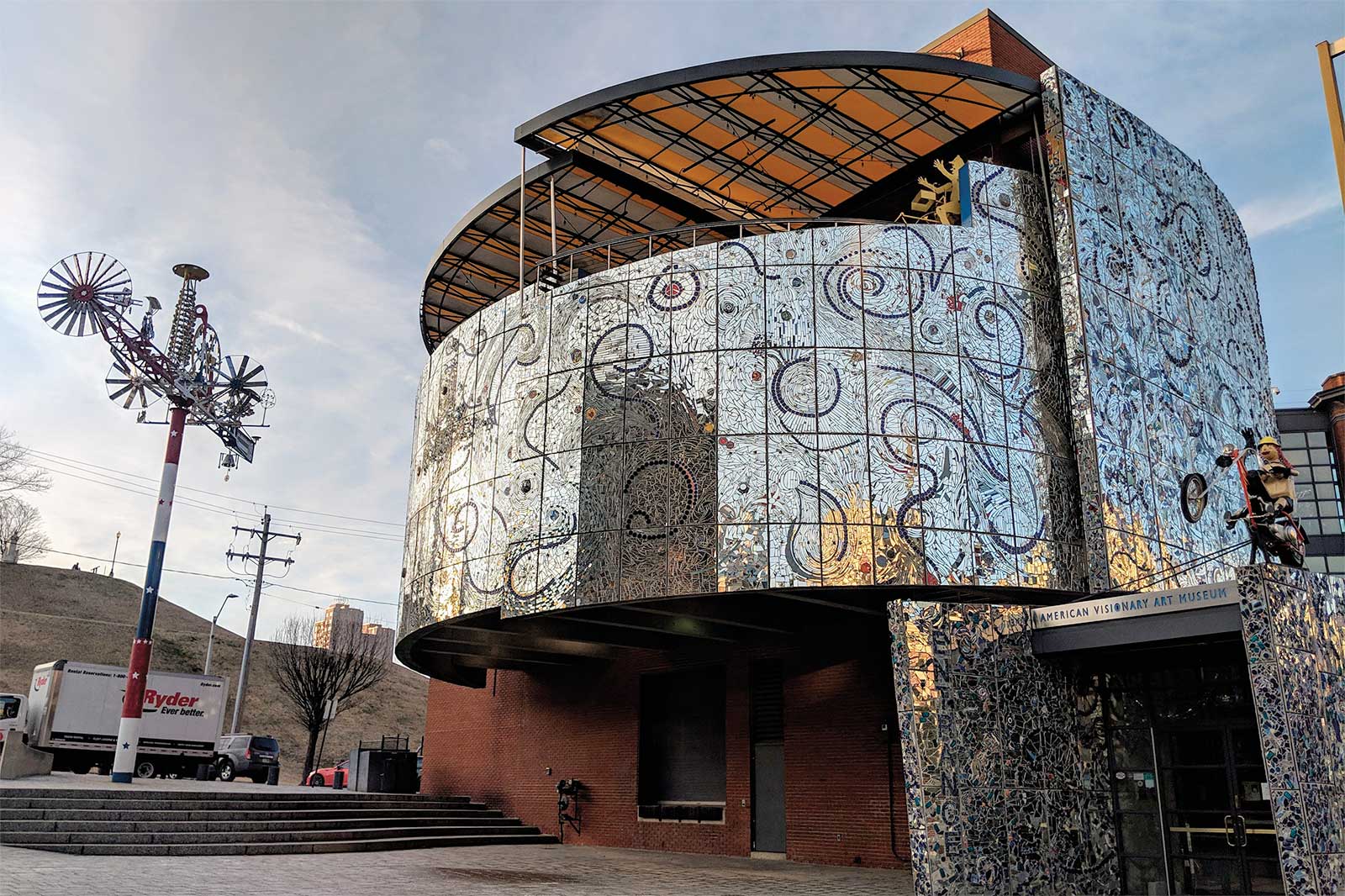
Based on research that proves increasing acts of compassion and kindness positively impacts our physical and mental health, the exhibition Healing and the Art of Compassion (and the Lack Thereof! at the American Visionary Art Museum shared the importance of compassion as a healing force in our society.
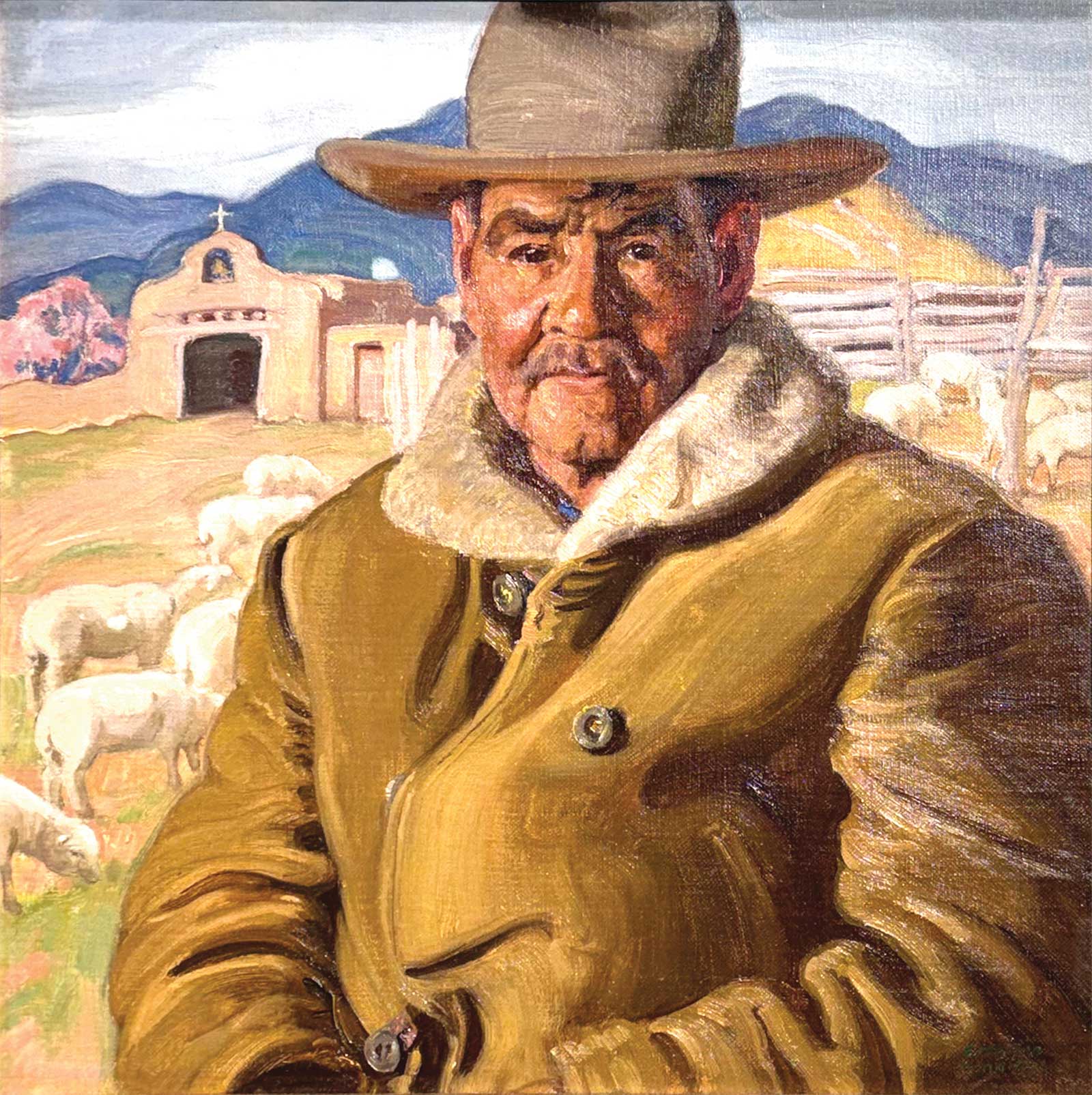
Couse-Sharp Historic Site, Damian Mondragon, ca. 1935. Oil on canvas, 14 x 14 in., by E. Martin Hennings (1186-1956). Courtesy Tia Collection.
The encouraging news is that the public already understands much of this. Across political, geographic and demographic lines, Americans consistently express deep trust in museums and recognize their contributions to education, civic life and their local communities. The events of this past year only reinforced that confidence. That trust, however, is not something museums can take for granted. It must be earned continuously through thoughtful stewardship, rigorous scholarship, meaningful community engagement and a willingness to evolve while remaining true to our public purpose. Organizations like the American Alliance of Museums also have a responsibility—to help museums navigate uncertainty, elevate best practices, advocate for the resources they need, and ensure the field can speak with a strong and unified voice when it matters most.
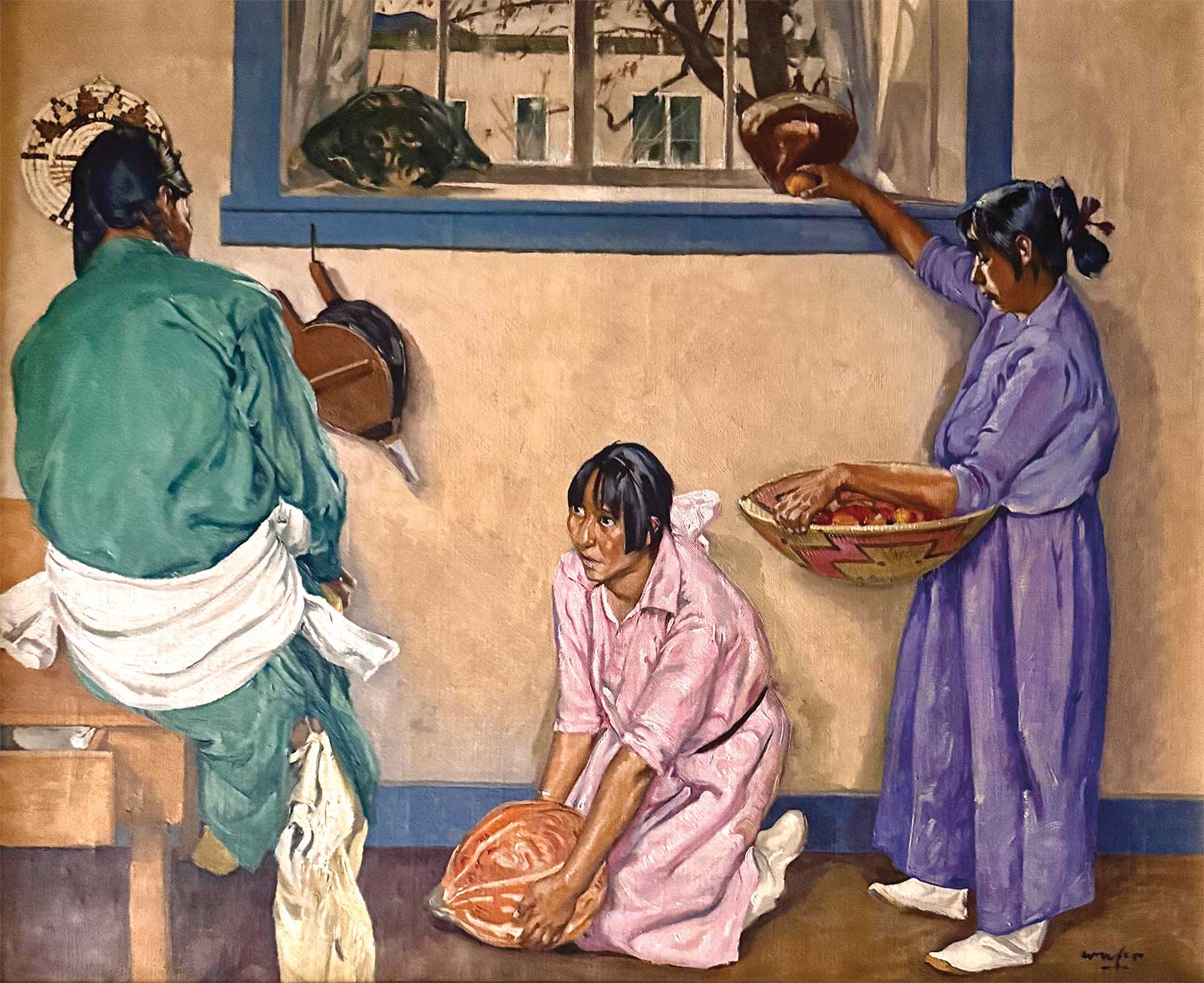
Couse-Sharp Historic Site, Thanksgiving Time, 1927. Oil on canvas, 30 x 24 in., by Walter Ufer (1876-1936), Courtesy Klauer
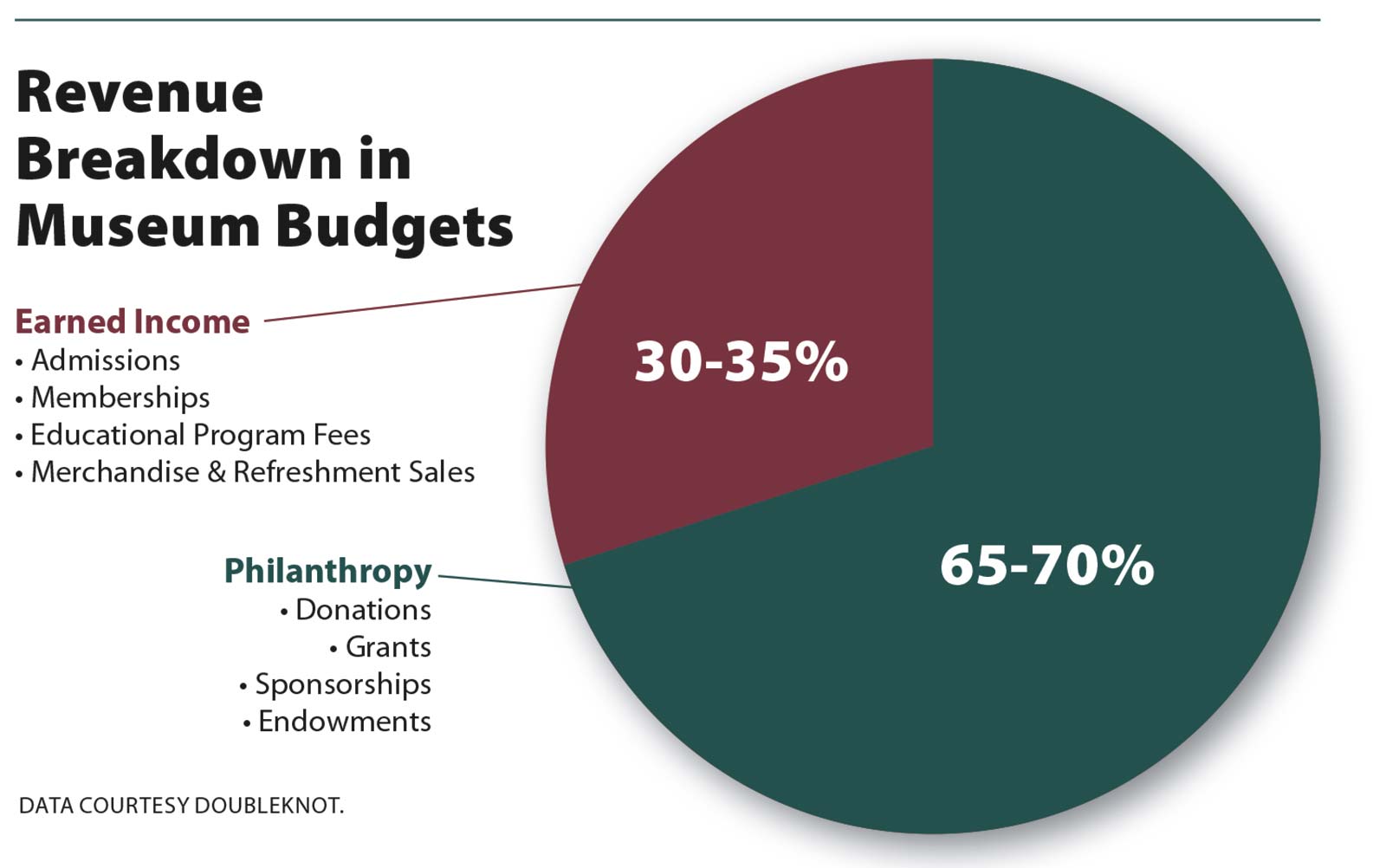
The museum field has faced extraordinary challenges over the past year, yet I remain deeply optimistic because if there is one lasting lesson from 2025, it is that our sector emerged not diminished, but stronger—more coordinated, more visible, more connected and better equipped to tell the story of why museums matter.
Generations before us built the institutions we are privileged to steward today, and our responsibility is to ensure they remain vibrant, relevant and accessible for generations to come.
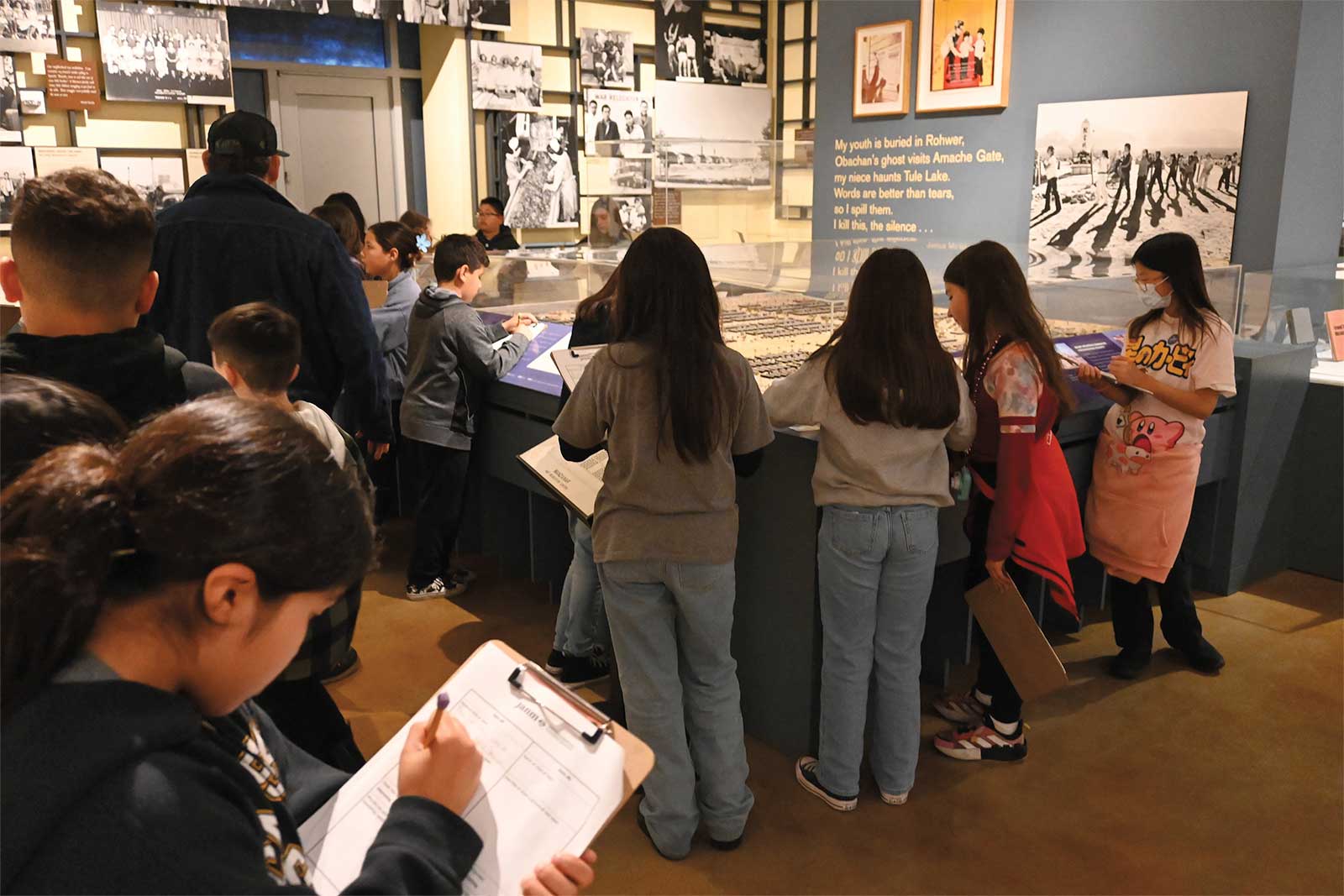
The Japanese American National Museum’s Bid for Education Program raises thousands of dollars each year for students and teachers to visit the museum. The museum also launched a digital crowdfunding campaign to fund a national tour of the sacred Ireichō book that contains the names of people incarcerated during World War II.
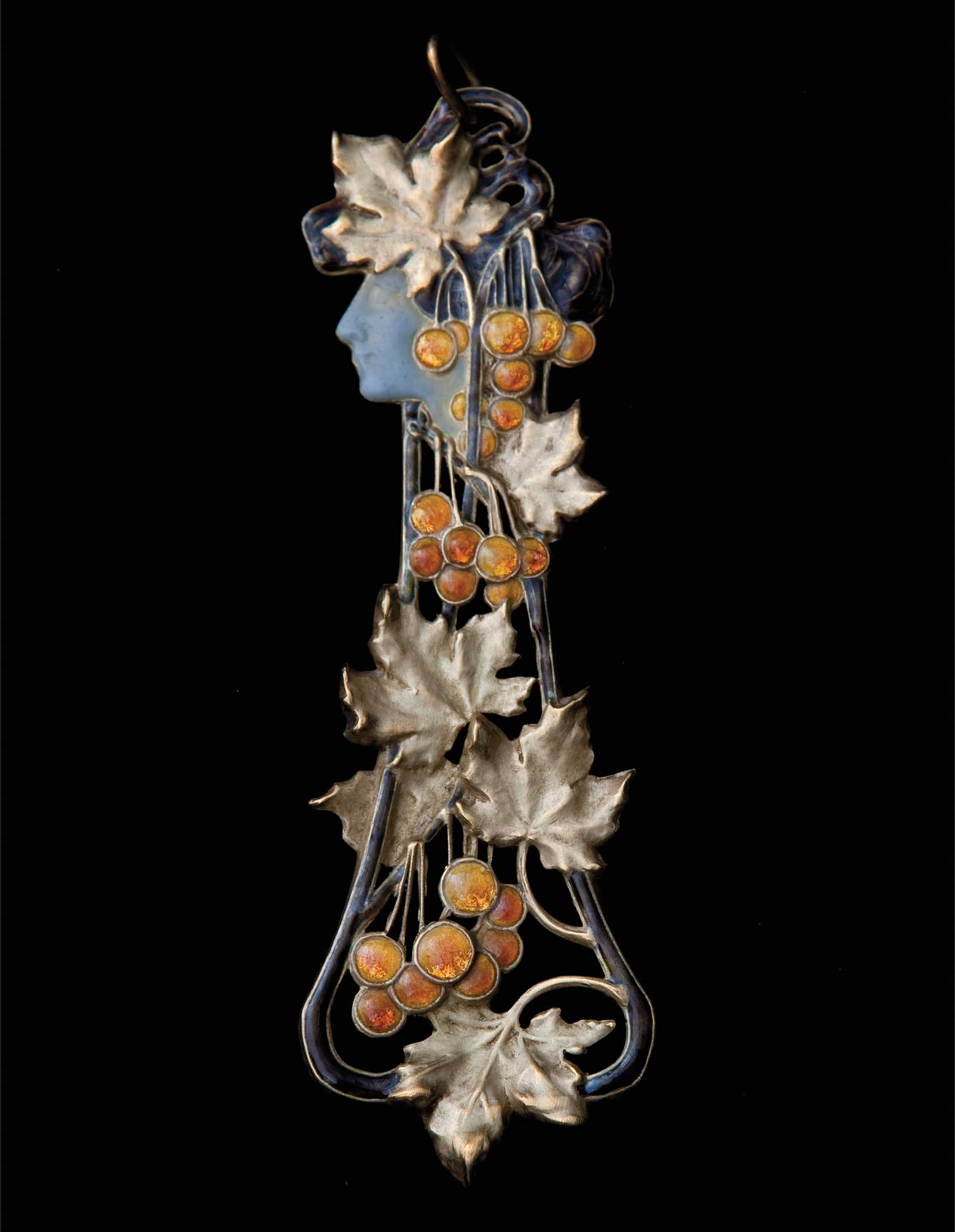
Charles Hosmer Morse Museum of American Art, Autumn pendant, ca. 1900. Gold and enamel by René Lalique (1860-1945). The Charles Hosmer Morse Museum of American Art.
That work belongs to all of us. And judging by what we witnessed in 2025, I have every reason to believe the future of museums is in capable hands.
Marilyn Jackson is president and CEO of the American Alliance of Museums, the only organization representing the entire museum field, from art and history museums to science centers and zoos. In the remainder of this special section dedicated to American museums, you will learn more about specific institutions, current and upcoming exhibitions, collection highlights, and the innovative initiatives museums are implementing to reach their fundraising goals (examples sourced from AAM’s 2026 Annual Forecasting Report, Trendswatch: Questioning Assumptions). The section concludes with American Fine Art Magazine editor’s picks of must-see exhibitions.
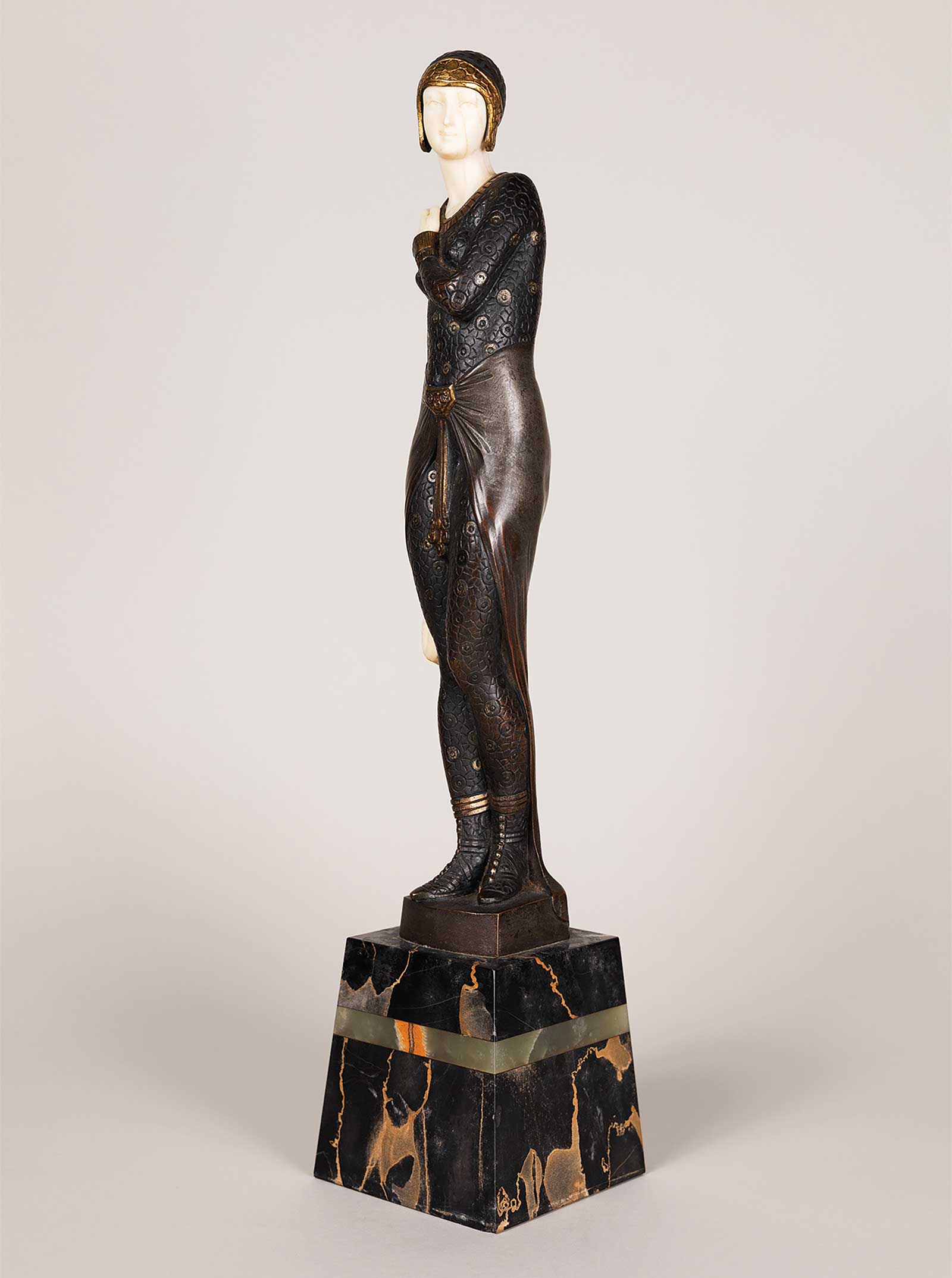
Charles Hosmer Morse Museum of American Art, Beauty of Paris, ca. 1925. Bronze, ivory and onyx, by Emmanuel Jules Joseph Cormier (1869-1950). The Charles Hosmer Morse Museum of American Art.
Through the art and history of Taos, New Mexico, Couse-Sharp Historic Site seeks to transform our shared understanding of the American story. The site preserves the homes and studios of Eanger Irving Couse and Joseph Henry Sharp, two founders of the Taos Society of Artists in 1915. The Taos Society of Artists introduced a nation to the landscape and culture of New Mexico, a fascination that continues. The Couse-Sharp Historic Site’s associated Lunder Research Center collects and makes accessible archival materials related to early artists of Taos.
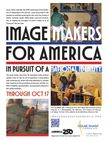
As the United States commemorates the 250th anniversary of the Declaration of Independence, the museum explores the role of the Taos Society of Artists—and their models, fellow artists and communities—in shaping perceptions of what it means to be “American” then and now. Image Makers for America: In Pursuit of a National Identity, on view through October 17, invites visitors to contemplate the conflicts of identity, representation and perception inherent in the cultural moment.
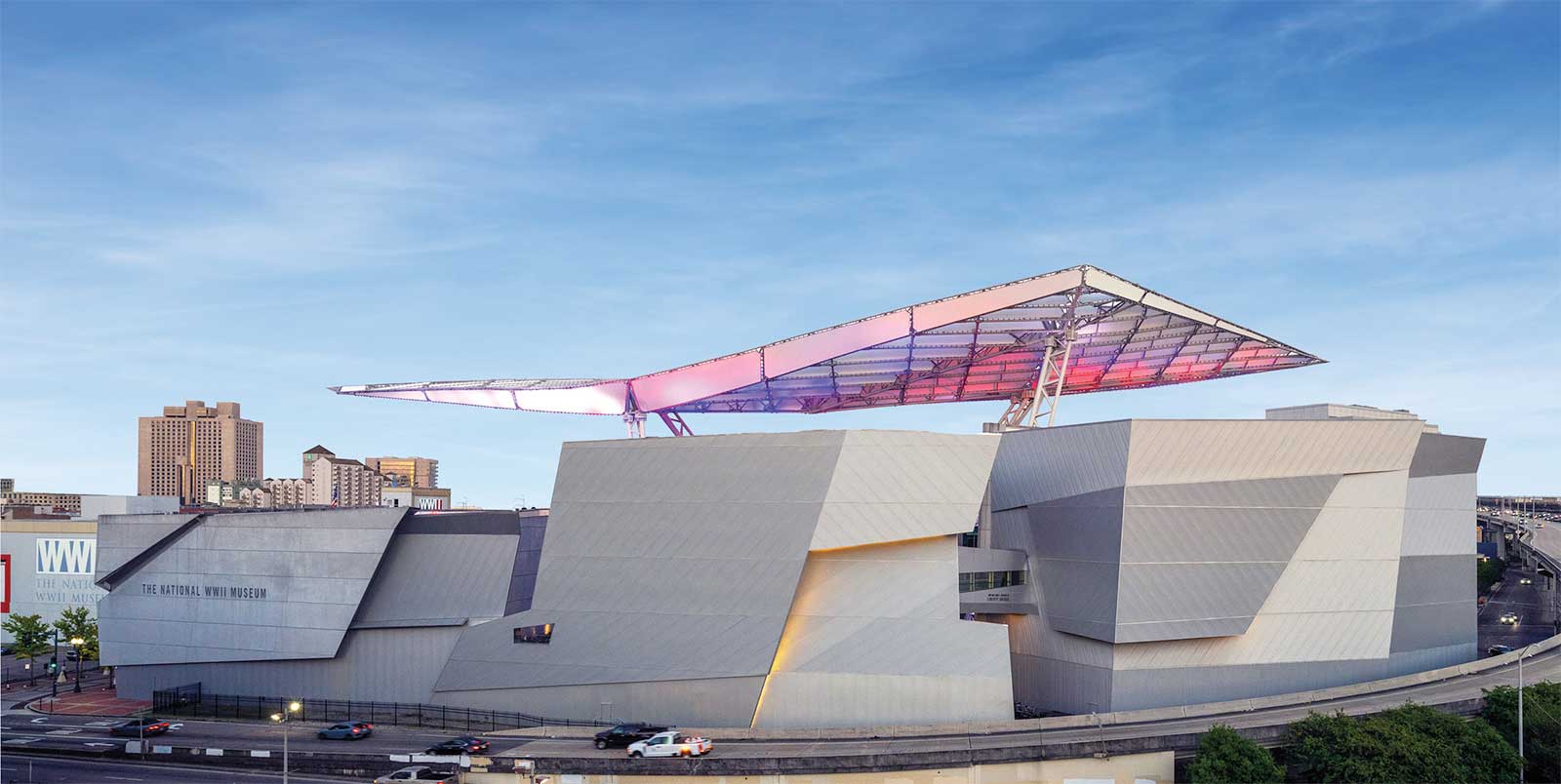
In June 2025, the National WWII Museum in New Orleans announced a $300 million Victory’s Promise fundraising campaign. As the World War II generation passes on and direct connections to the war fade, the museum faces the challenge of engaging a wider audience and cultivating a new generation of supporters.
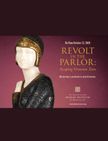
Taking its title from Hugh F. McKean’s book, Revolt in the Parlor: Escaping Victorian Taste, a new exhibition at the Charles Hosmer Morse Museum of American Art in Winter Park, Florida, traces the evolving currents of American art and design from 1890 to 1959. During that time period, creators confronted the emerging cycles of experimentation, disruption and reinvention and helped shape a dramatically changing world, reacting against the “fascinating clutter” of Queen Victoria’s time. At the turn of the 20th century…the fin de siècle sensibility—once defined by anxiety and decadence—shifted into a measured optimism as the new century began. The decades that followed brought profound challenges and transformations. Advances in science and technology as well as exploration of the subconscious mind, altered long-held mindsets. Social and political tensions destabilized nations, class conflicts reshaped governments, and expanding global ambitions set the stage for territorial disputes and world war. Yet all these forces also fueled innovation. American artists responded to rapid change with bold new ideas, materials and centers of creative activity. International networks strengthened and influenced American perspectives as publications, world fairs and increasingly accessible travel accelerated the spread of styles—such as arts and crafts, art nouveau, art deco and modernism—and information across continents.
Opening on October 13, Revolt in the Parlor: Escaping Victorian Taste features decades of American art and design organized in the themes of discipline, lifeforce, tensility, rebellion, homespun, progress, homecoming and independence, across three Morse Museum galleries.
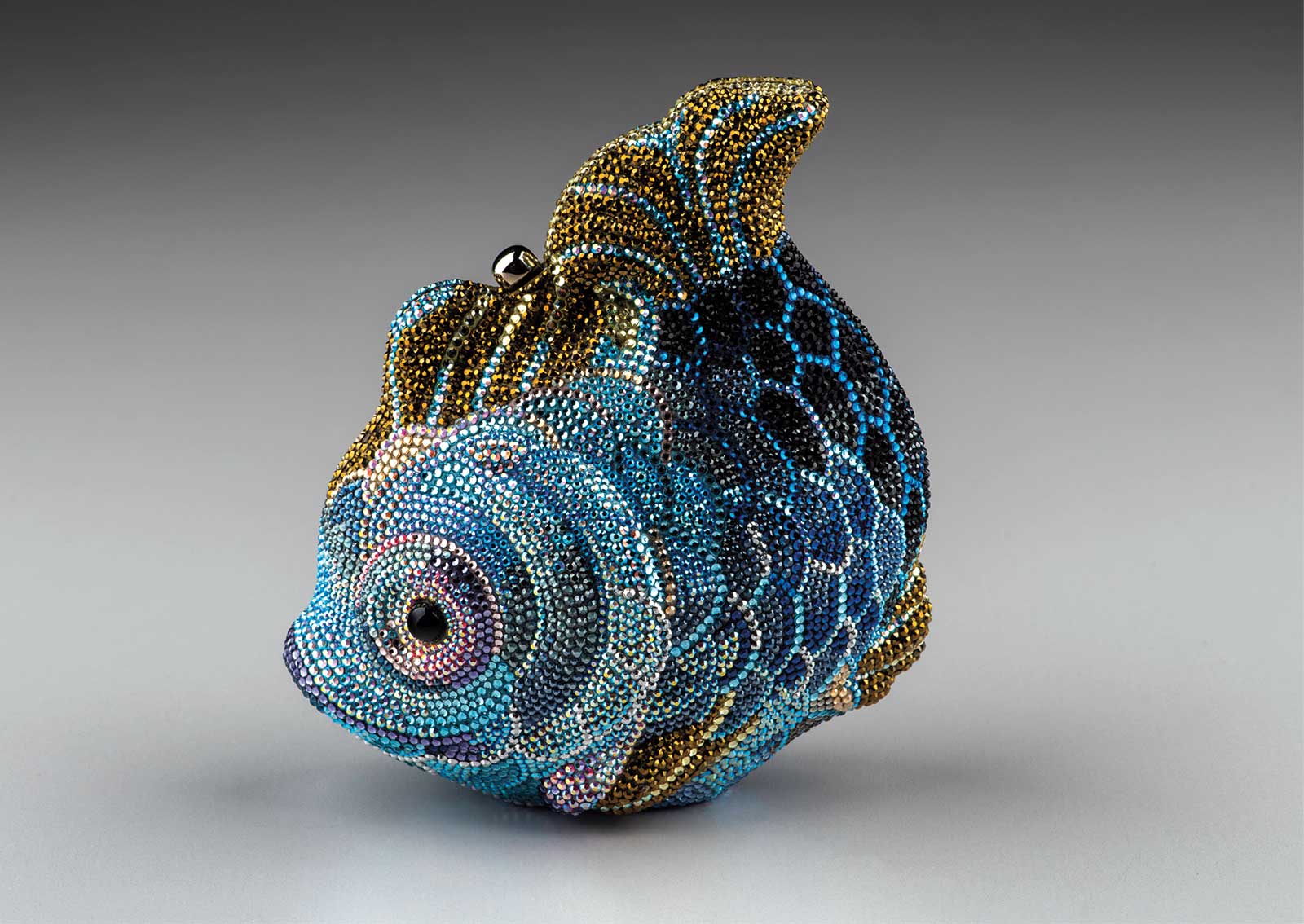
Mint Museum, Fish Minaudiere, 2007. Silverplated brass, Swarovski crystals and leather by Judith Leiber (1921-2018). Gift of the family of Vicki and Jim Mills. 2025.34.12.
The Mint Museum, with two locations in Charlotte, North Carolina, has recently acquired a striking example American Scene painting to its collection by mid-century realist painter Zoltan Sepeshy. Born in Hungary, Sepeshy was a popular instructor, and later director and president, at the Cranbrook Academy in Bloomfield Hills, Michigan. The majority of his works depict scenes of everyday life in America, with a particular focus on the Midwest. In Driftwood, Sepeshy focuses the viewer’s attention on a summer beach scene by framing it with a hole in a piece of wood. This unusual composition was perhaps inspired by those of other American artists, such as Georgia O’Keeffe who had previously used holes in cattle skulls and pelvises in a similar fashion, and Paul Cadmus, who did the same with seashells in some of his own beach scenes. The Mint Museum is also excited to present Brilliant by Design: The Handbags of Judith Leiber, an upcoming exhibition that celebrates the artistry, innovation and technical mastery behind the iconic designs of Judith Leiber (1921-2018). Featuring more than 100 handbags and accessories alongside fashions from the Mint Museum’s collection, the exhibition highlights Leiber’s remarkable career and lasting influence on fashion. Her groundbreaking work earned the prestigious 1973 Coty American Fashion Critics’ Award, making her the first handbag designer to receive the honor and cementing her place in American fashion history. Brilliant by Design opens on October 24, 2026, and remains on view through July 3, 2027. —
FeaturedMuseums
American Alliance of Museums
2451 Crystal Drive, Suite 1005 Arlington, VA 22202
t: (202) 289-1818, www.aam-us.org
Charles Hosmer Morse Museum of American Art
445 N. Park Avenue, Winter Park, FL 32789
t: (407) 645-5311, www.morsemuseum.org
Couse-Sharp Historic Site
146 Kit Carson Road, Taos, NM 87571
t: (575) 751-0369, info@couse-sharp.org, www.couse-sharp.org
Mint Museum Uptown
Levine Center for the Arts
500 South Tryon Street, Charlotte, NC 28202
Mint Museum Randolph
2730 Randolph Road, Charlotte, NC 28207
t: (704) 337-2000, www.mintmuseum.org
Powered by Froala Editor
Powered by Froala Editor