Jeffrey Richmond-Moll, PhD
The George Putnam Curator of American Art
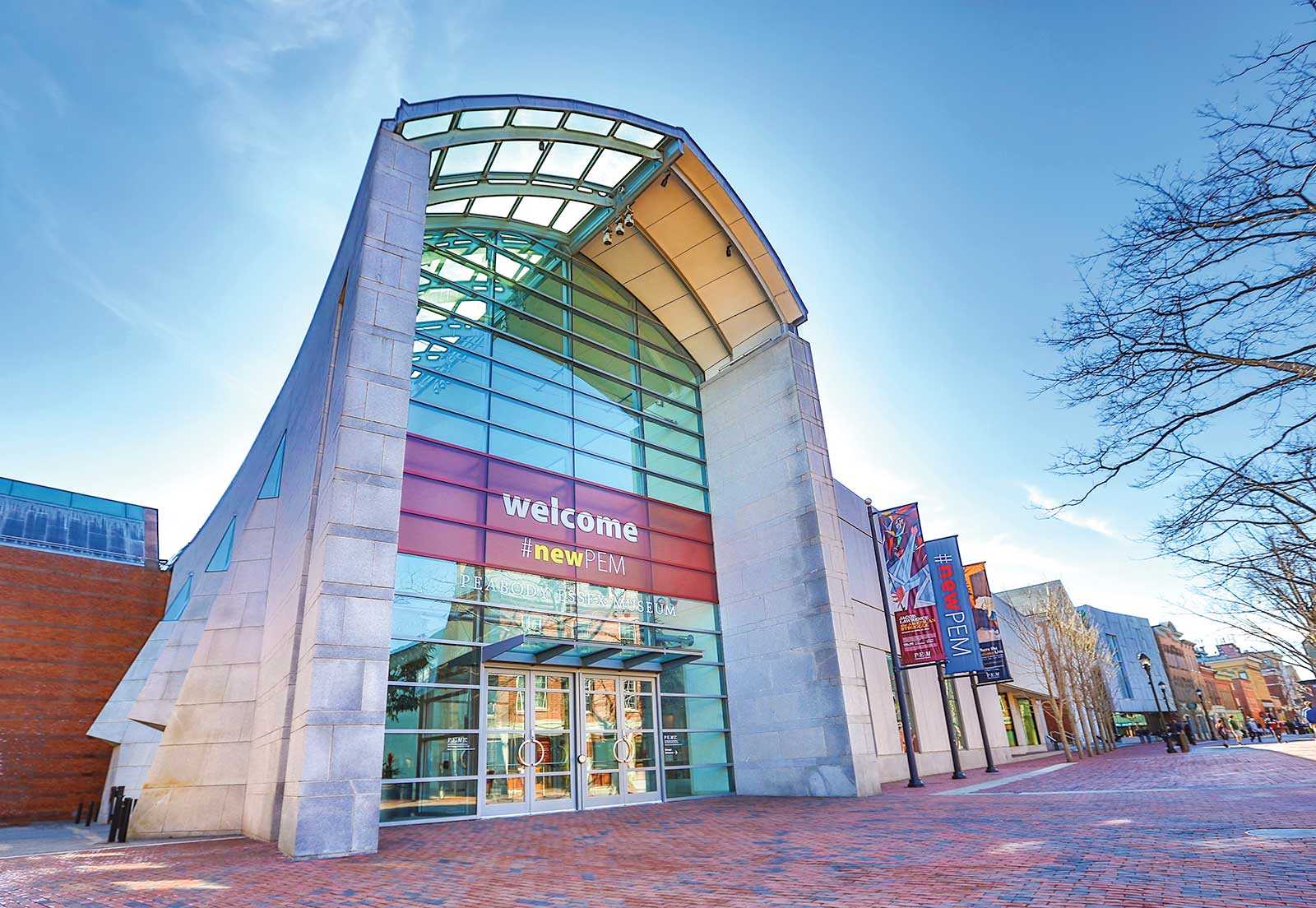
Peabody Essex Museum
161 Essex Street, Salem, MA 01970 • www.pem.org
What event (gallery show, museum exhibit, etc.) in the next few months are you looking forward to, and why?
In February, the Peabody Essex Museum (PEM) opens Edmonia Lewis: Said in Stone, the first comprehensive survey of the acclaimed 19th-century Black and Indigenous woman sculptor. I have been working on this project for seven years now, including with former colleagues from the Georgia Museum of Art at the University of Georgia, and I cannot wait to see it come to fruition, especially in the Boston area, where Lewis began her professional career. The exhibition will not only transform our understanding of Lewis’s sculptures, but also presenting Lewis in conversation with longer histories of Black and Indigenous art, community and culture, underscore her lasting legacy.
What are you reading?
Recently, I read Zara Anishanslin’s new book, The Painter’s Fire: A Forgotten History of the Artists Who Championed the American Revolution. It traces the role of several women and people of color, on both sides of the Atlantic, who were advancing the cause for independence as the war was actively unfolding. It’s imaginative, beautifully written and a powerful reminder of the role of artists in shaping our understanding of the U.S. identity.
Interesting exhibit, gallery opening or work of art you’ve seen recently.
I just attended the opening of Emma Stebbins: Carving Out History at the Heckscher Museum of Art. Stebbins is little known today, but she was one of the most significant U.S. sculptors of the 19th century. Readers might know her Bethesda Fountain in New York’s Central Park, whose monumental angel later served as the symbolic backdrop of the final scene of Tony Kushner’s Angels in America. The show, and its stunning catalog, are a brilliant example of the ongoing resonance of historical artists like Stebbins, and the conversations with contemporary artists and audiences that these projects also make possible.
What are you researching at the moment?
Next summer, PEM debuts the show Driving Forces: American Art and the Automobile, which has brought me back to a lot of old favorites about the cultural, environmental and social impact of the car on American art and life. Wanda Corn’s writing on Grant Wood and his iconic Death on a Ridge Road is just one example. But, as we also think about the visitor’s experience of the exhibition’s design and the new sensory landscape that cars created, I’ve also been enjoying an illuminating essay on the new nocturnal visual landscape inaugurated by car headlights in Sandy Isenstadt’s Artificial Light: An Architectural History.
What is your dream exhibit to curate? Or see someone else curate?
Someday I hope to organize a show on the relationship between 20th-century American modernism and religious visual cultures. It would have a special focus on artists like Marsden Hartley, who engaged throughout his career with art and spirituality, from the folk Christian subjects of German reverse paintings on glass during his early years in Munich, to the religious landscapes of Indigenous and Spanish colonial cultures in the American Southwest, to his final years pondering mortality and community on the Maine coast. —
Powered by Froala Editor