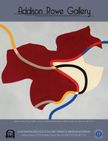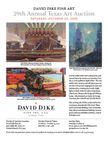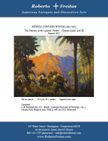
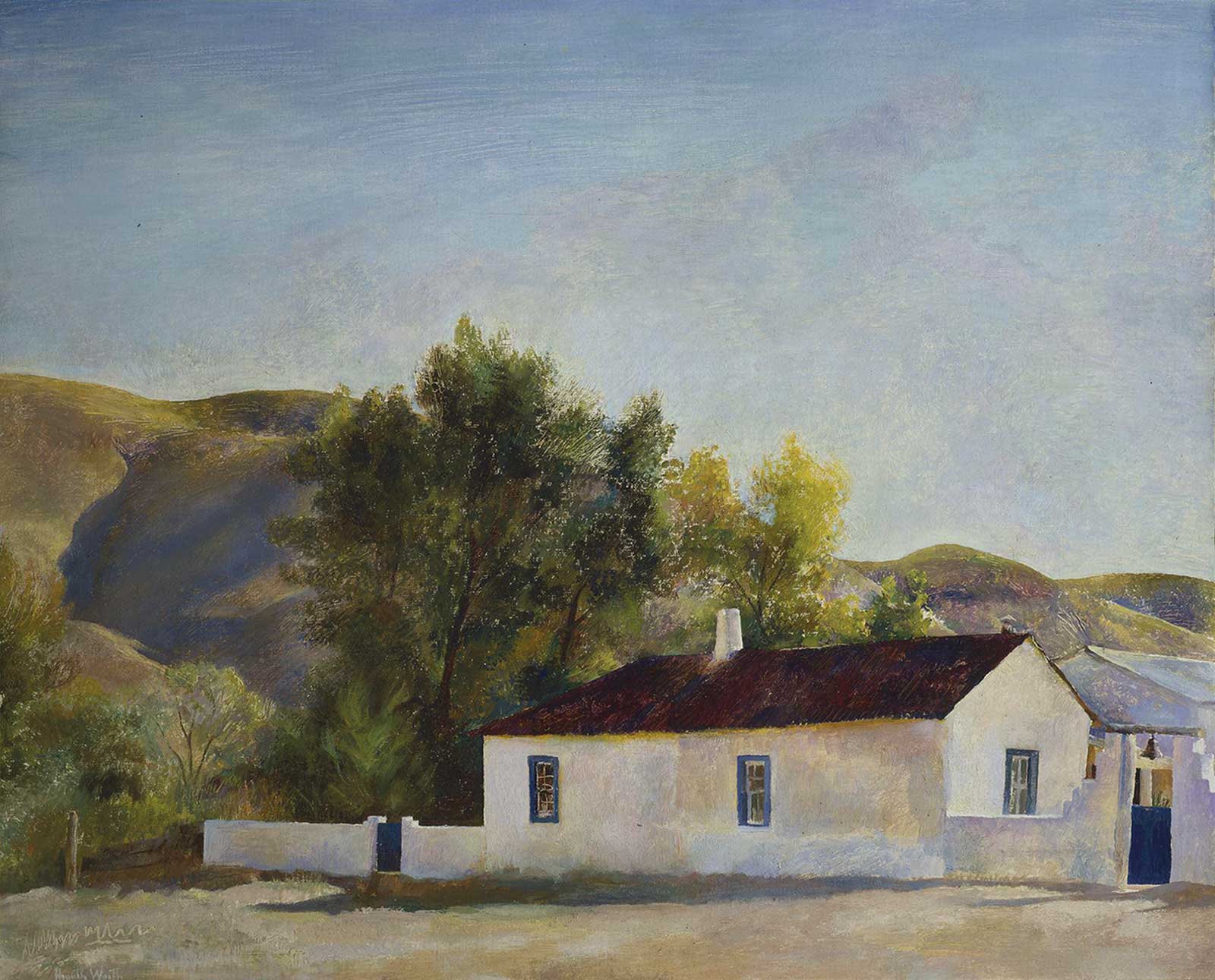
Henriette Wyeth (1907-1997), House at San Patricio. Oil on canvas, 34 x 42 in., signed lower left. Available at Addison Rowe Gallery, Santa Fe, NM.
Henriette Wyeth (1907-1997)
House at San Patricio
Widely considered one of the most significant female American painters of the 20th century, Henriette Wyeth was the eldest daughter of N.C. Wyeth and sister of Andrew Wyeth, with whom she painted at their home and studio in Chadds Ford, Pennsylvania. In the mid-1930s, after marrying artist Peter Hurd, who had come to study under N.C. and Andrew, the couple moved to San Patricio, New Mexico, where they lived on a ranch and raised their three children. Although it was a difficult transition at first for Henriette, she eventually embraced the New Mexico culture and climate, and it began to influence her work. Known predominantly for her portraits—most notably the official White House portrait of First Lady, Pat Nixon—and still lifes, she also painted other scenes, as seen in the oil The House at San Patricio, which features a simple structure against the rolling hills of the Southwest.
Addison Rowe Gallery 229 E. Marcy Street • Santa Fe, NM 87501 • (505) 982-1533 addart@addisonrowe.com • www.addisonrowe.art
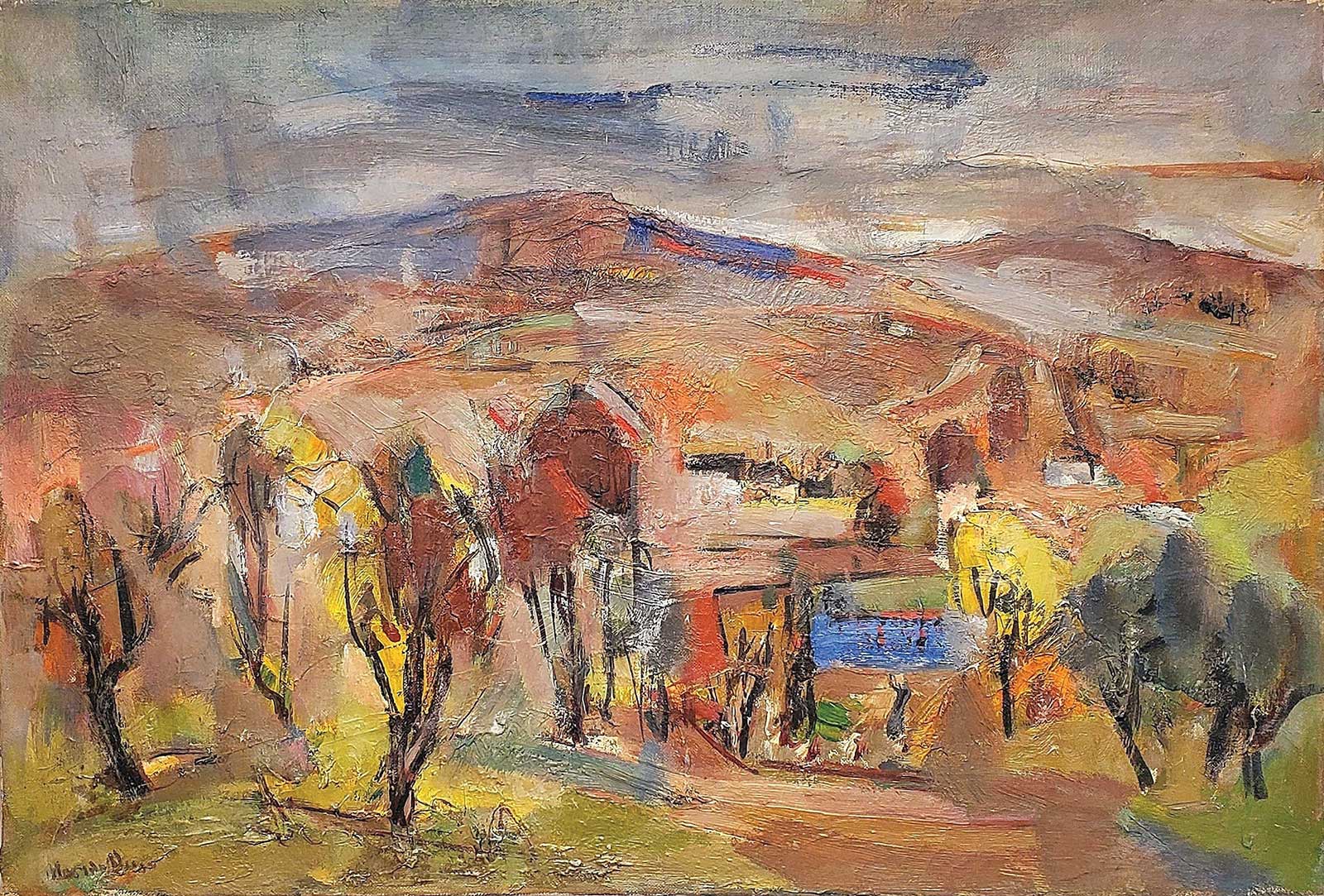
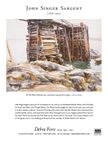
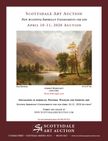
Marion Huse (1896-1967), Vermont Landscape, ca. 1955. Oil on canvas, 17 x 25 in.
Available at J. Kenneth Fine Art, Shelburne, VT.
Marion Huse (1896-1967)
Vermont Landscape
Marion Huse’s career as an artist spans several decades and multiple art movements, from American scene painting of the 1940s, to her expressionistic style of the 1950s. She was deeply involved in the Works Progress Administration, was the founder of an art school and a pioneering innovator of serigraphy. Huse attended the New School of Design in Boston, and the Carnegie Institute of Art and Technology and took summer classes at the Cape Cod School of Art under Charles Hawthorn. In the early 1930s, Huse acquired a summer studio in Pownal, Vermont, and many of her paintings depict everyday life of rural Vermont and its people, such as scenes of farming, daily chores, roadside attractions and the overall goings-on of small-town life. The rolling hills of Pownal became a frequent subject within her body of work.
J. Kenneth Fine Art 145 Pine Haven Shores Road • Shelburne, VT 05482 (802) 540-0267 • jkennethfineart@gmail.com • www.jkennethfineart.com
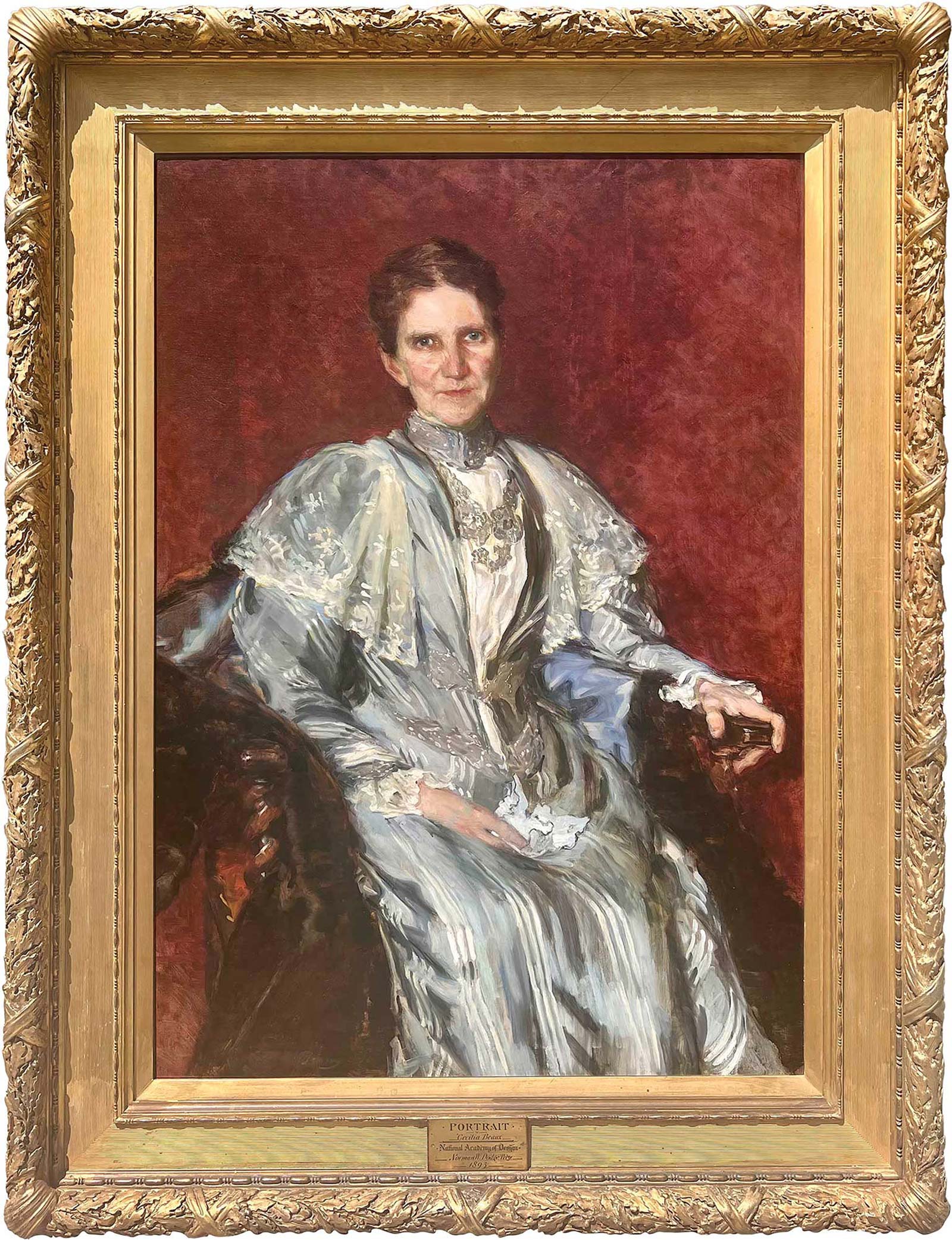
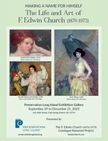
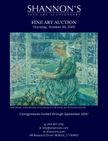
Cecilia Beaux (1855-1942), Mrs. Isaiah Stetson, 1893. Oil on canvas, 45 x 32 in., signed and dated lower left ‘Cecilia Beaux-93’. Available at Hawthorne Fine Art, New York, NY.
Cecilia Beaux (1855-1942)
Mrs. Isaiah Stetson
American impressionist Cecilia Beaux was awarded the Norman W. Dodge prize for best painting by a woman artist when she exhibited Mrs. Isaiah Stetson at the National Academy of Design’s 68th annual exhibition in 1893. The life-size painting depicts the widow of Isaiah Stetson (1812-1880), one-time mayor of Bangor, Maine, and first president of the Bangor & Piscataquis Railroad Co. While critics compared Beaux’s portrait of Mrs. Stetson to the work of John Singer Sargent, in March 1893 the New-York Tribune wrote, “She has a way of her own. For after the echo of Sargent is reckoned with, there is a vitality in her portraits and a direct, sure touch in the painting of them with which no amount of interest in the more noted artist’s work could have supplied her. She works fluently and forcibly and in her own intellectual spirit in the portrait referred to.”
Hawthorne Fine Art By Appointment • New York, NY 10017 • (212) 731-0550 info@hawthornefineartcom • www.hawthornefineart.com
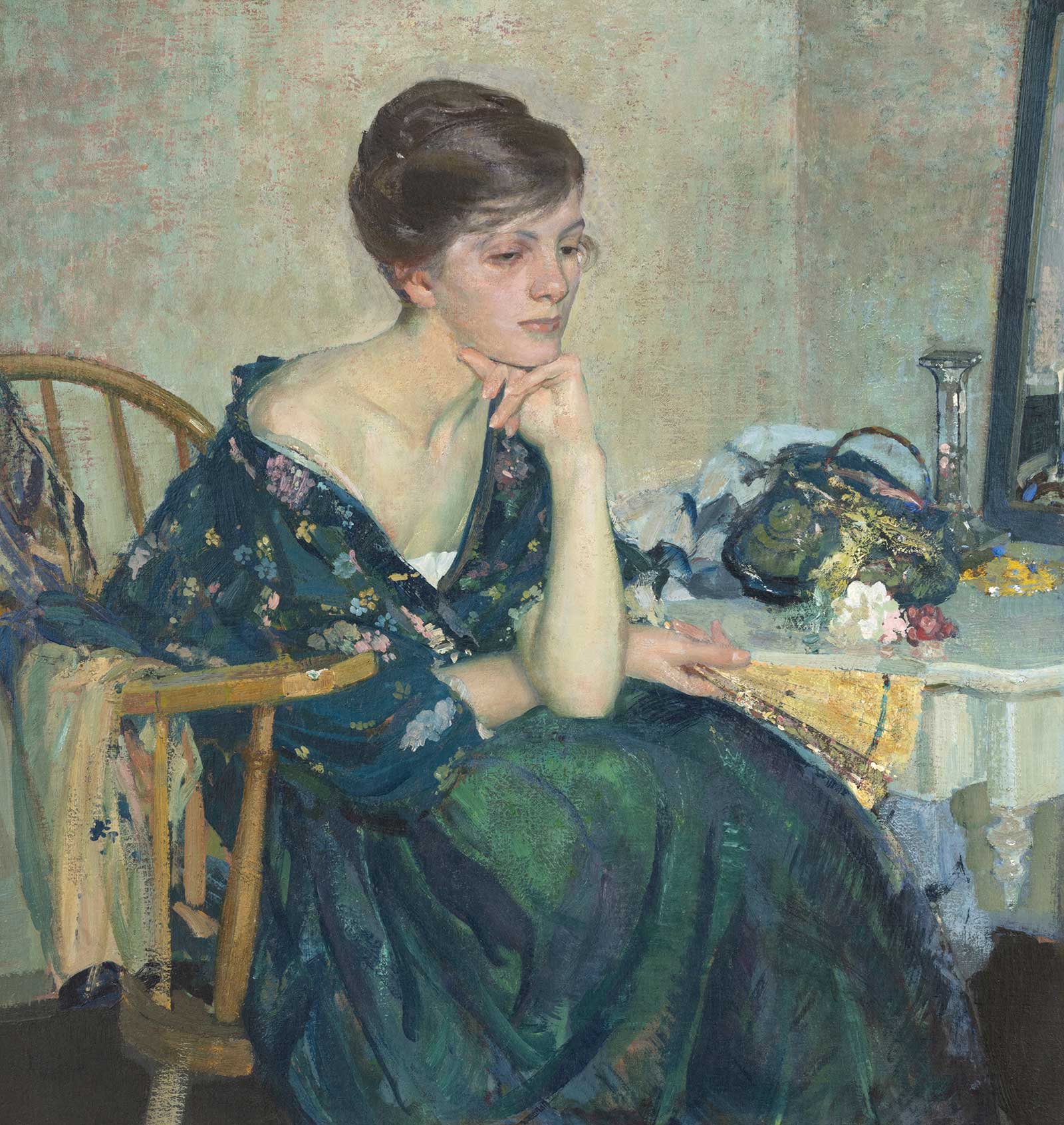
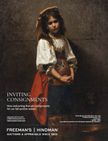
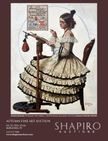
Richard Edward Miller (1875-1943) Reminiscence, ca. 1921-1922. Oil on canvas, 36¼ x 34 in. signed lower left: ‘Miller’. Available at Debra Force Fine Art, New York, NY.
Richard Edward Miller (1875-1943)
Reminiscence
Early in his career, Richard Miller began painting women lost in thought at their dressing tables, a subject that he continued throughout his life. After spending time in Giverny in the early 1900s, Miller’s palette began to lighten, and he created a series of intimate, brightly patterned interior scenes. Reminiscence was painted in Miller’s Provincetown studio and likely depicts his friend Marjorie Ball. He often used the same models and props, but continued to experiment with color, light and texture. The title of the work brings into focus the sitter’s emotions. The blue tone throughout may reflect that she is reminiscing on something that brings melancholy.
Debra Force Fine Art 13 E. 69th Street, Suite 4F • New York, NY 10021 • (212) 734-3636 • info@debraforce.com www.debraforce.com
Powered by Froala Editor