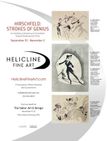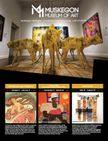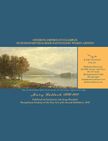
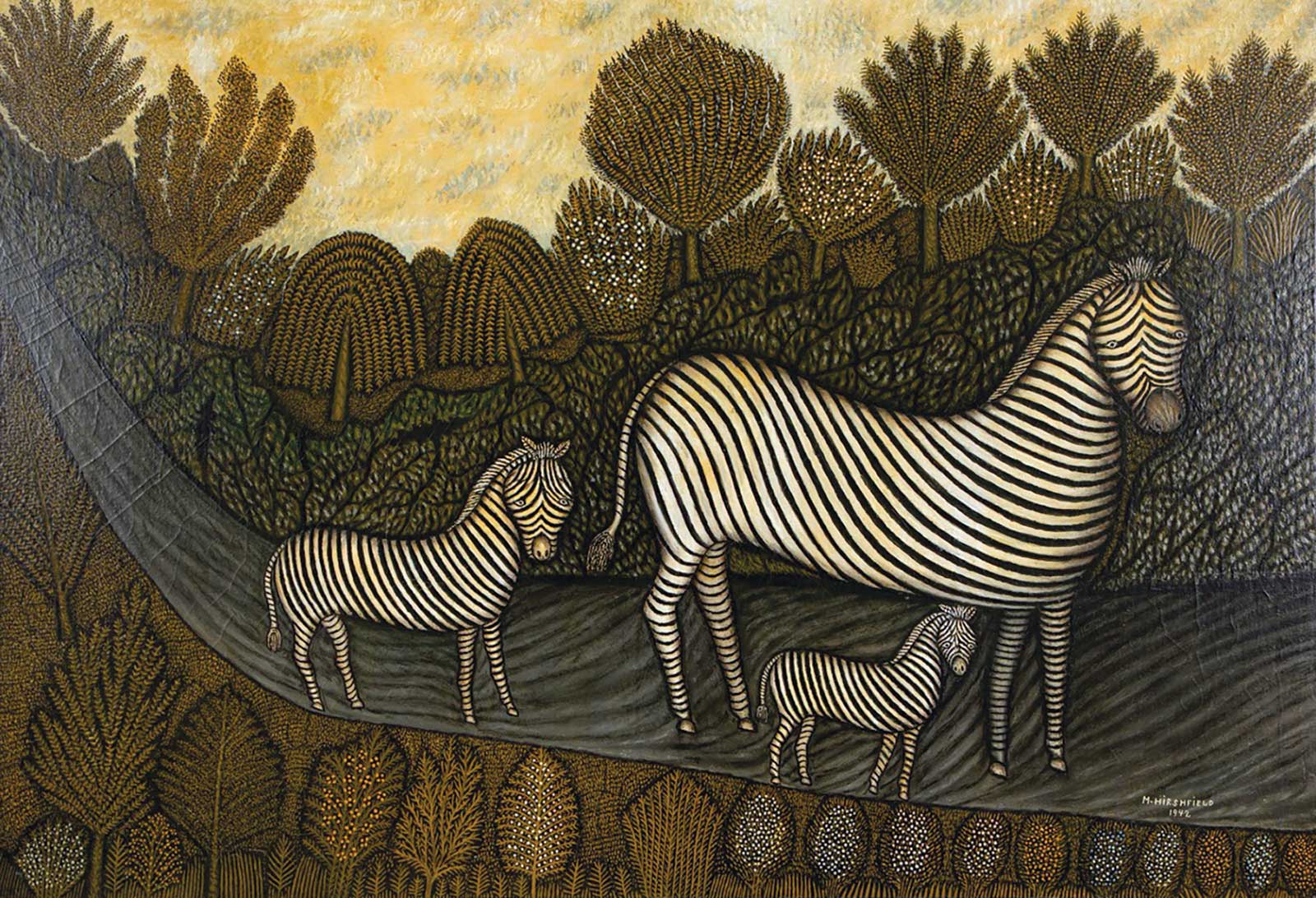
Morris Hirshfield (1872–1946), Zebra Family, 1942, oil on canvas, 33½ x 49½ in.
The American Folk Art Museum announces the gift of five incredible Morris Hirshfield (1872-1946) paintings stemming from the estate of Maria and Conrad Janis, son of legendary art dealer and gallerist Sidney Janis. The museum notes that this is one of the most significant groups of Hirshfield paintings donated to an institution in recent years.
The collection comes after the museum hosted the landmark exhibition Morris Hirshfield Rediscovered, that ran from September 2022 through January 2023, and the partnering symposium Unexpected Partners: Self-Taught Artists and Modernism in Interwar America. The five pieces join the four the museum also owns, making the museum the world’s largest institutional repository of the artist’s work.
Of this collection, we find the spectacular piece Zebra Family, 1942, illustrating the artists unique stylings: a flattened, surreal look to his subjects and backgrounds, and the use of textile imagery—inspired by the artist’s years in the garment and footcare industry. “When you look closely, it looks like textiles, often in the skies, where clouds look like yarn or another part of a painting may look like wool or tweed,” notes Richard Meyer, author, professor of art history at Stanford University, and guest curator of the museum exhibition.
Hirshfield’s background is unique, in that he was a working-class Polish immigrant, who first began to paint at the age of 65 and was purely self-taught. “Some like to say that Hirshfield is ‘the most famous artist you’ve never heard of,’” says Meyer. “He was world famous in the 1940s, but has been largely forgotten and obscured—but not entirely. When first starting out, I realized I had only seen his works in reproduction and only knew of the controversy over his one-man show at MoMA in 1943.”
The controversy was largely about Hirschfield being an untrained artist, as he was more known for his work as a tailor, and slipper and shoemaker. Meyer notes that many professional artists and critics of the time were wondering why someone like him was getting a one-man show or being shown at all. But he did have friends and admirers such as Picasso and Marcel Duchamp, who saw him as a modern figure, even if he didn’t recognize it himself.
Due to the artist’s late-in-life art career, he has only a singular body of work, making these pieces all the more rare. However, the museum and Meyer’s study of Hirshfield has yielded a thriving discussion on artists throughout history who have been self-taught, marginalized and unrepresented (or largely ignored due to prejudice). —
Powered by Froala Editor