
American museums have faced extraordinary challenges in the first months of the new administration. A barrage of executive orders and political actions has destabilized funding, censored scholarship, and created deep uncertainty around how to proceed with the essential work of preserving and broadening access to cultural heritage.
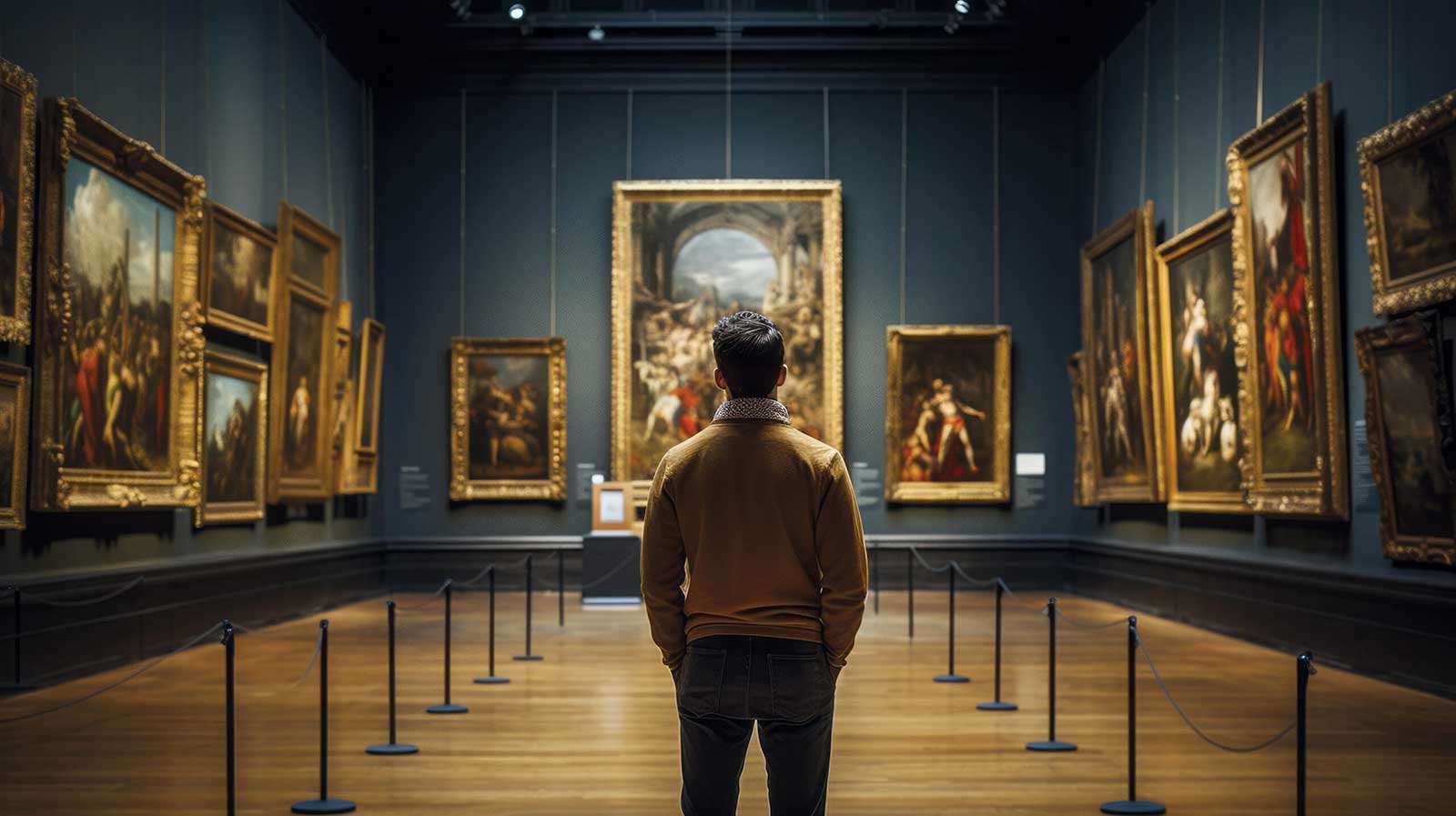
Opposite pages: Some studies suggest that going to museums improve physical and mental conditions. Photo credit: Keitma, Adobe stock image.
These troubles began as soon as inauguration day, when the president issued orders restricting DEI initiatives and “gender ideology” in the federal government, forcing federal museums to shutter programs and agencies to limit grant opportunities based on subject matter.
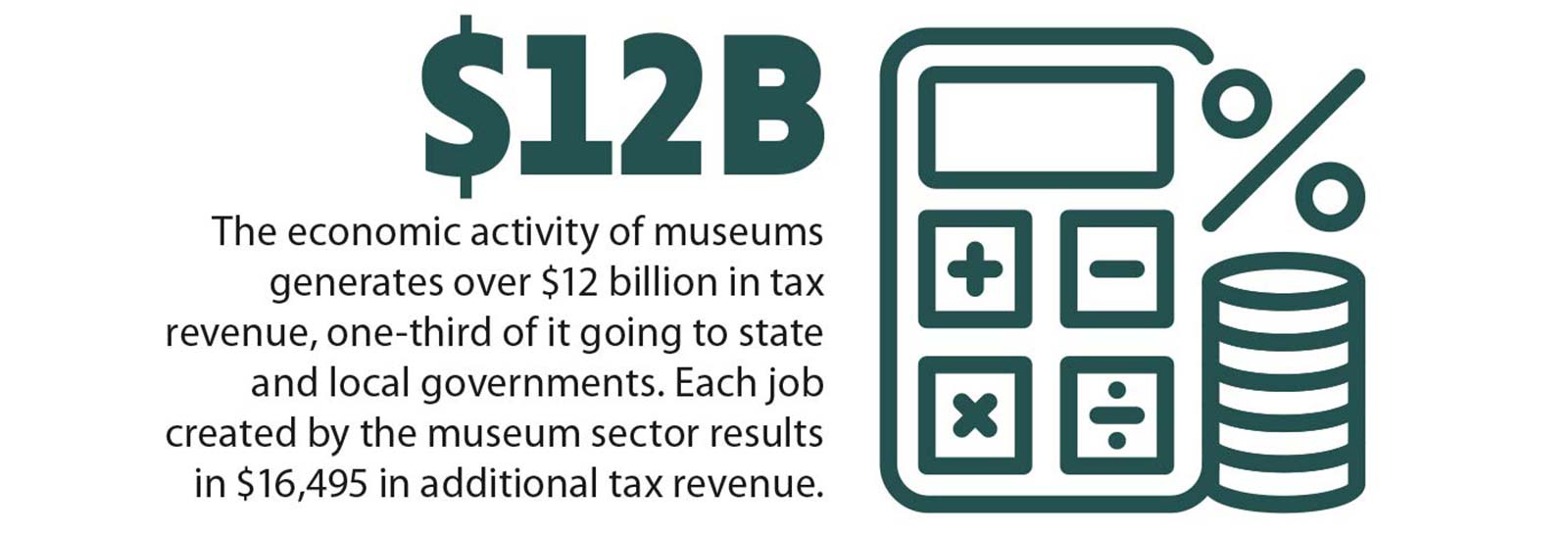
Then, on March 14, an executive order titled Continuing the Reduction of the Federal Bureaucracy, called for the elimination “to the maximum extent consistent with applicable law” of the Institute of Museum and Library Services (IMLS), the only federal agency specifically charged with supporting museums. IMLS accounts for just 0.0046 percent of the federal budget, yet it delivers essential resources to libraries and museums in all 50 states and territories. The museum sector, in turn, generates $50 billion in economic impact annually.
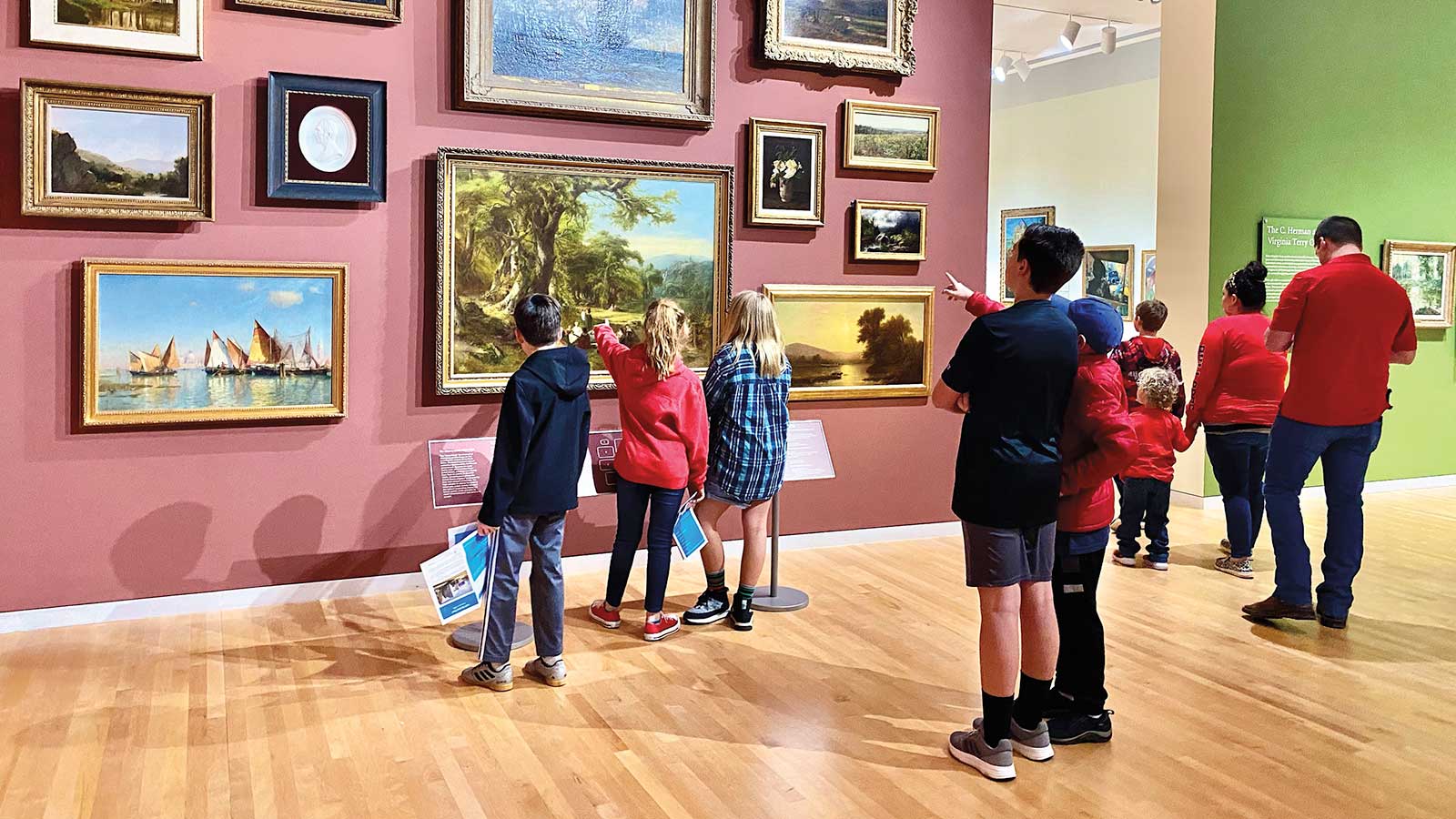
Photo courtesy Georgia Museum of Art, Athens, GA.
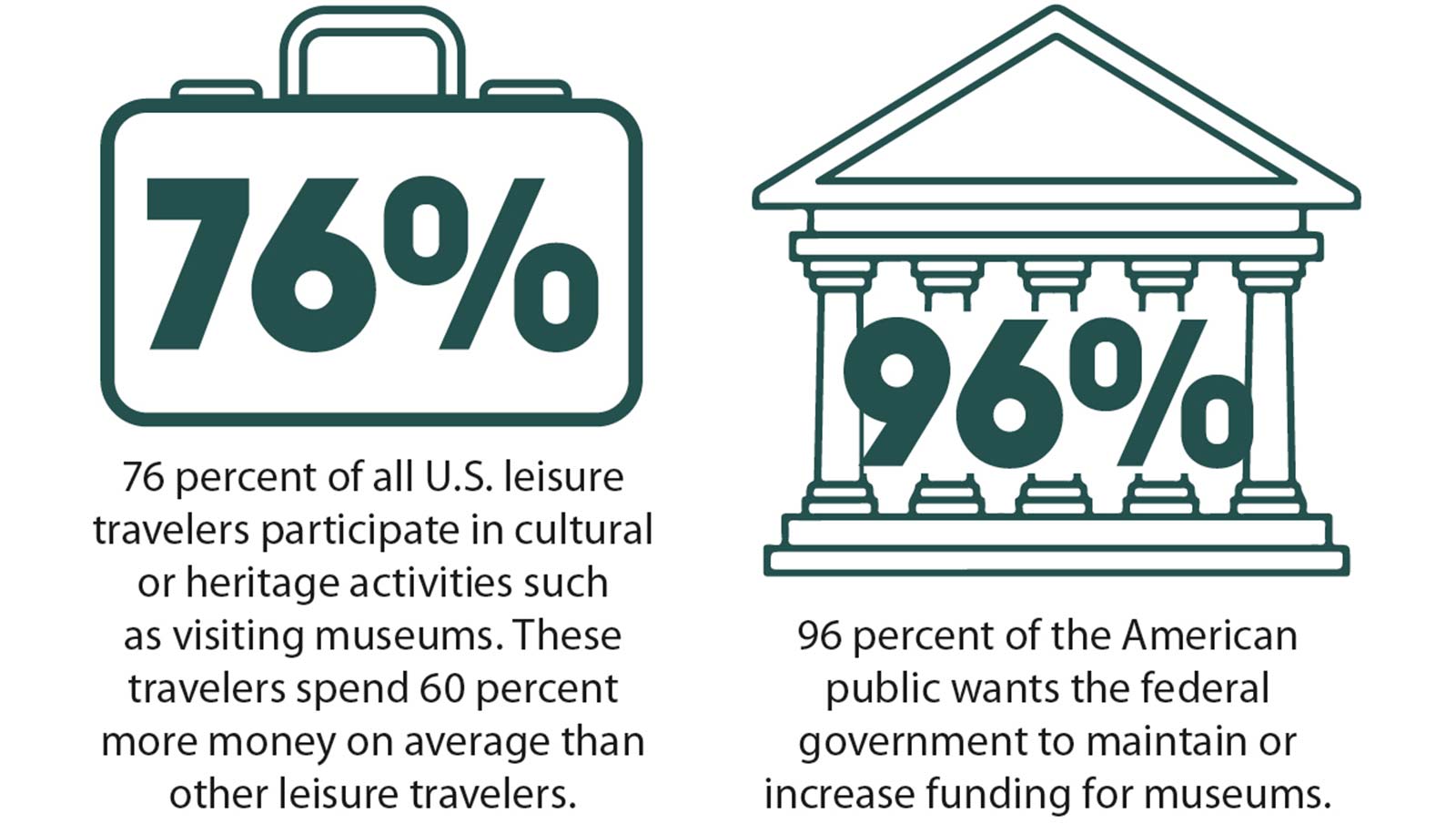
New political appointees placed the entire IMLS staff on administrative leave and began sending notice to museums, libraries, and other grantees that their programs—which included commemorations for America’s 250th anniversary and early learning interventions for children with disabilities—were “not serving the interests of the United States” and would lose funding immediately. While federal funding comprises less than a quarter of museum income on average, most operate on razor-thin margins. As a result, some institutions have already been forced to cut invaluable community programs, reduce hours, and let go of staff, and more of these difficult financial decisions are likely to come.
For museums with direct government ties, the damage extends beyond budgets. Executive interference has reached into governance and programming, with vague decrees attempting to dictate “appropriate” content. These efforts have targeted exhibitions that reflect the diversity, complexity, and full scope of the American story. Simultaneously, the administration has launched public attacks on individual exhibits and called on citizens to report “inappropriate” content—stoking fears of a new culture war around museum interpretation.
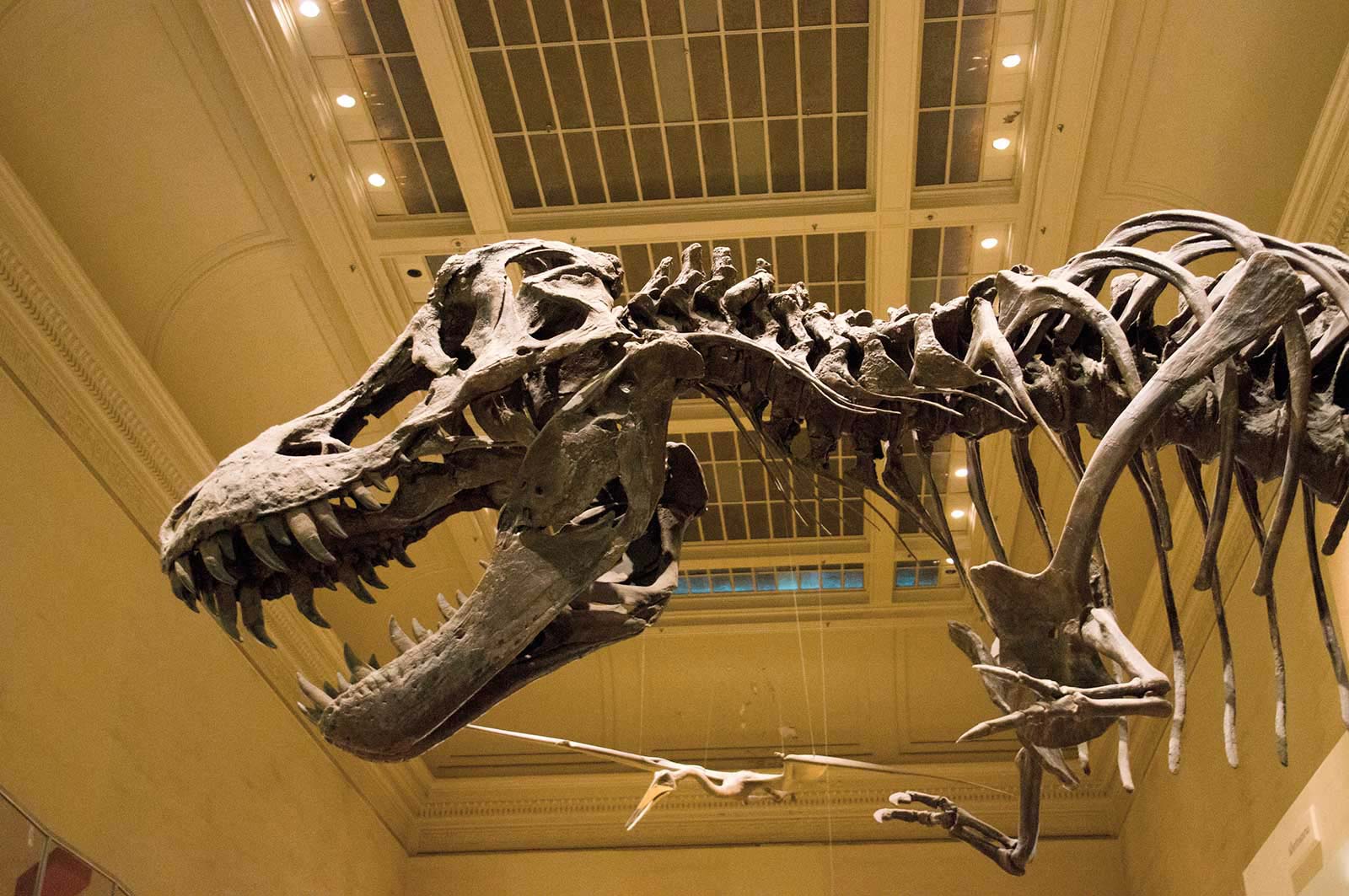
Tyrannosaurus rex skeleton in the Dinosaurs hall of the Smithsonian’s National Museum of Natural History in Washington, D.C. (Photo: John Gibbons, Smithsonian)
This political climate risks chilling curatorial freedom across all museums, regardless of affiliation. The ripple effects could include increased public backlash, loss of sponsorships, and self-censorship—undermining one of museums’ core roles in society to serve as spaces for inquiry, dialogue, and education.
At stake is the functional stability of the nation’s museum ecosystem. Reduced funding limits institutions’ ability to care for collections, mount exhibitions, and serve the public. Questions about curatorial independence threaten our international standing, particularly at a time when the world’s museums are embracing expanded canons.
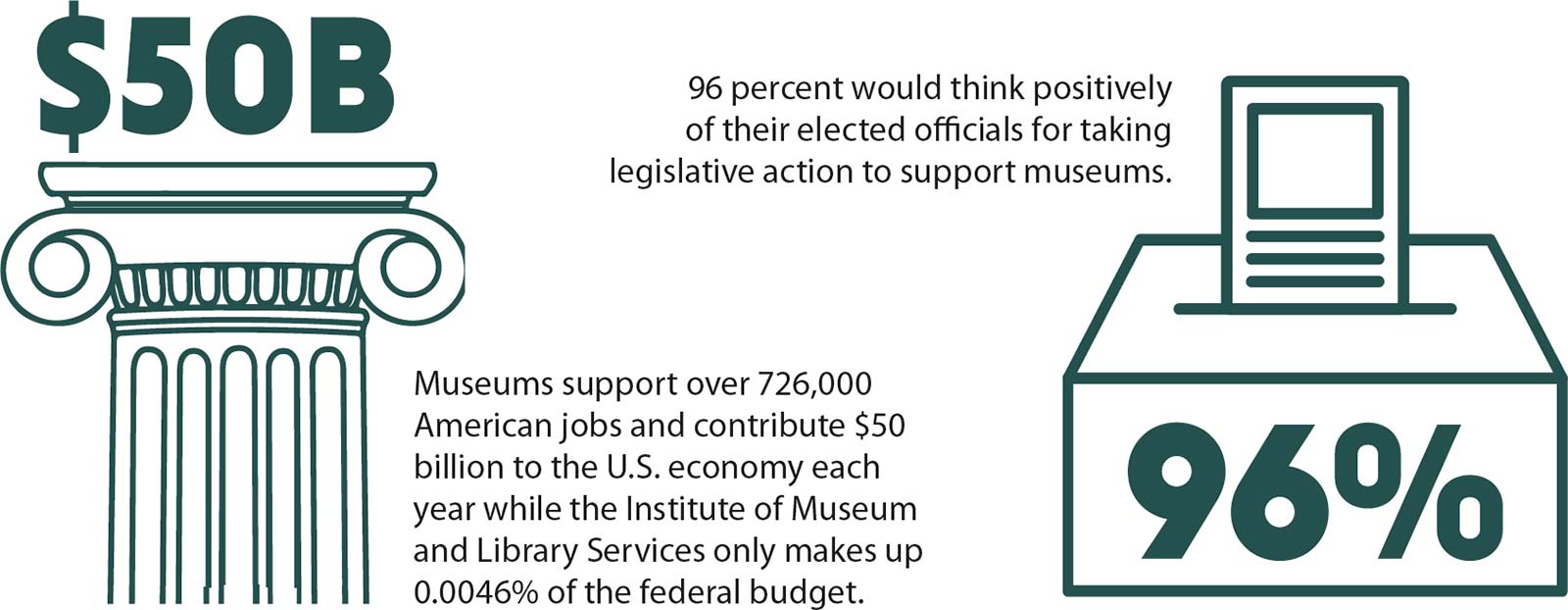
Many legal scholars argue these executive actions exceed constitutional limits, infringing on Congress’s power of the purse. They also violate the will of the American people, 96 percent of whom have told us they want the government to maintain or increase funding for museums. Ongoing legal action has helped stall some of these impacts, though it is unlikely they will reverse them completely. Meanwhile, the president’s proposed 2026 federal budget aims to eliminate the NEA, NEH, and IMLS completely. So far, Congress is not as inclined, but the process is far from over. Now is the time to speak up for museums. Contact your elected officials today to tell them to fund these critical agencies that support museums by visiting aam-us.org/imls-updates.
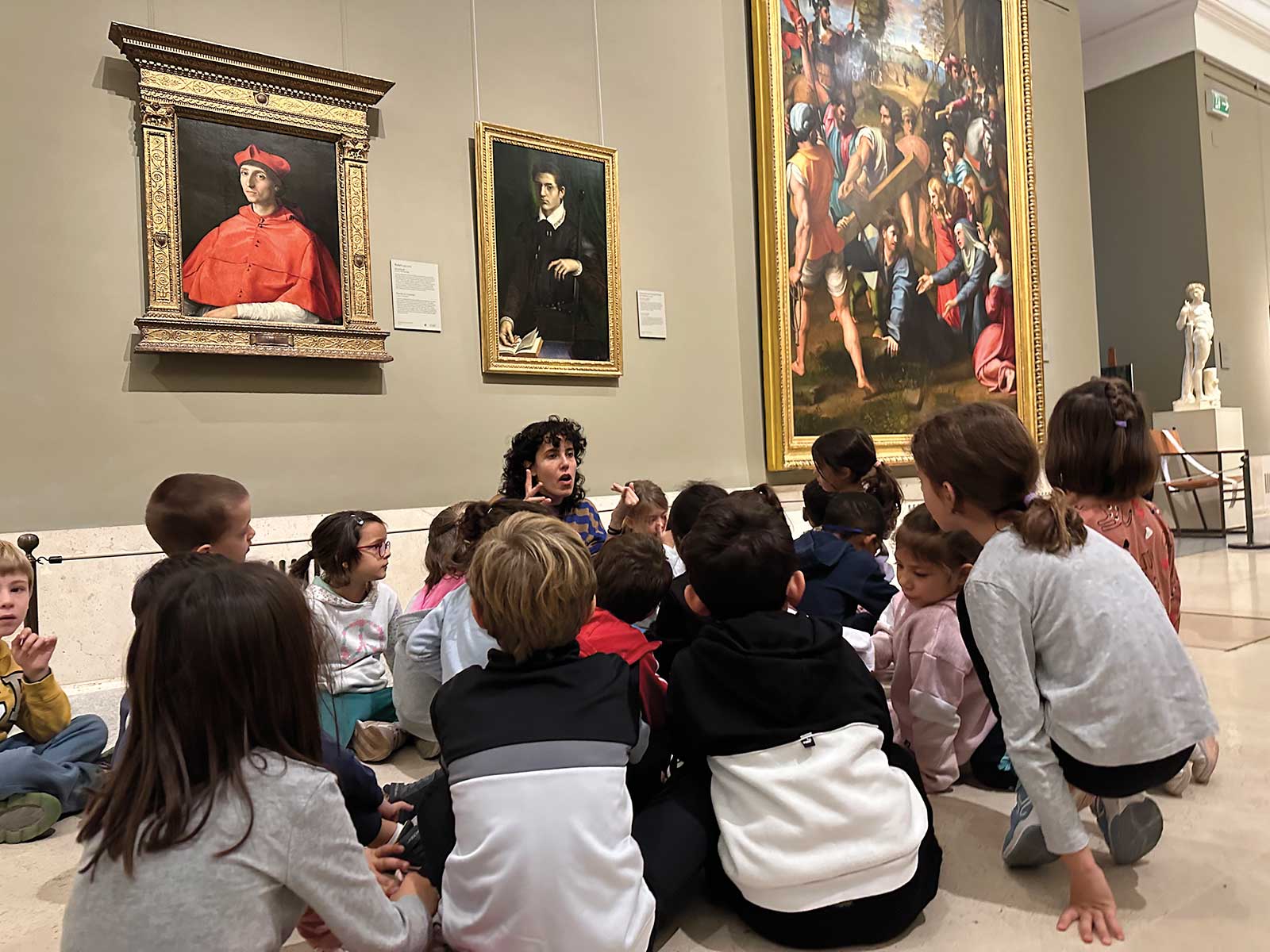
Photo credit: Pink Umbrella.
The institutions that form the bedrock of our cultural landscape—guardians of art, history, science, and memory—now face a precarious moment. To remain strong, relevant, and resilient, they need increased support, solidarity, and protection from political interference. Only then can they continue their vital mission in this uncertain new era. —
The article was written on August 6, 2025, at which time all of the information contained within was up to date. Visit www.aam-org to learn more.
Powered by Froala Editor