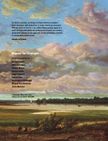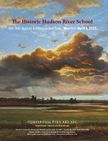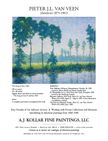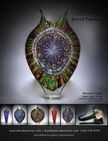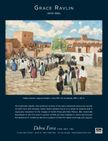
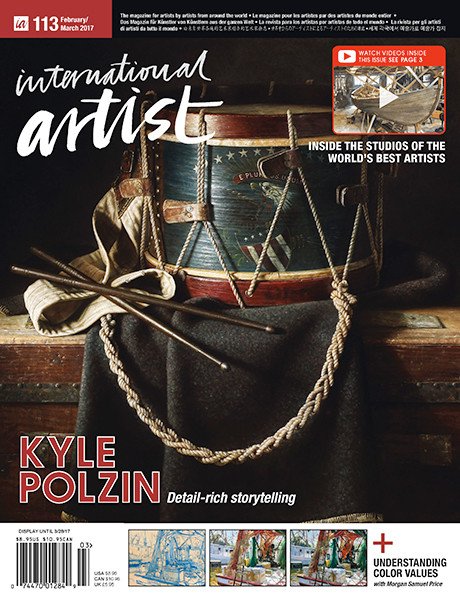
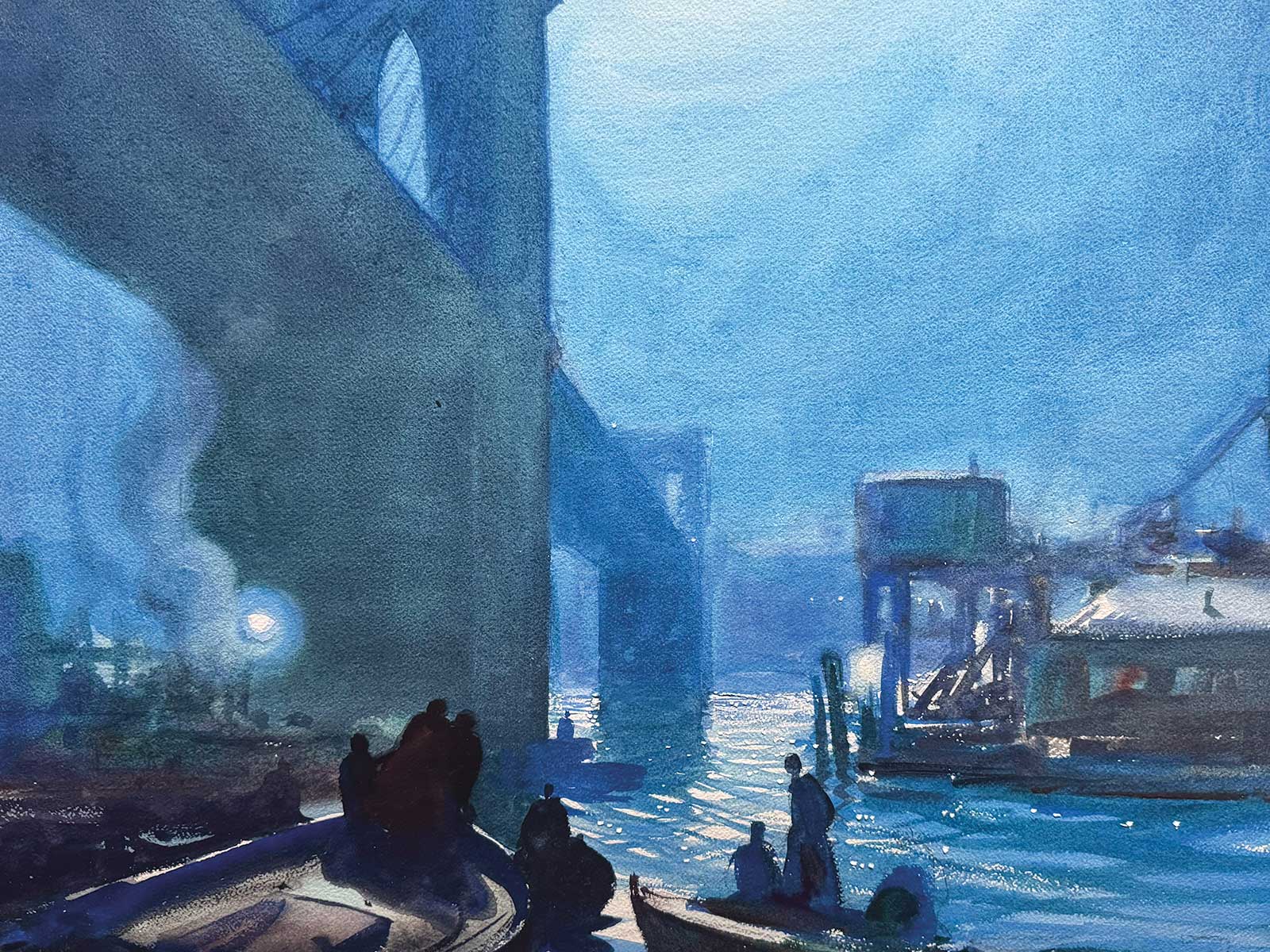
John Whorf (1903-1959), The Brooklyn Bridge, Evening, 1952. Watercolor on laid paper, 16½ x 21¾ in., signed and dated upper right: ‘(19)52’. Available at Thomas Colville Fine Art, Guilford, CT.
John Whorf (1903-1959)
The Brooklyn Bridge, Evening
John Whorf is best known for his watercolors, and painting a wide variety of subject matter from landscapes, seascapes and cityscapes, to scenes of country life, as well as figurative works. He was recognized as a skillful colorist whose expressive brushwork imbued his work with emotion. Although based in Boston and Cape Cod, Massachusetts, where he joined the Provincetown art community, Whorf had frequent exhibitions at Milch Galleries in New York beginning in the 1930’s when he exhibited iconic New York subjects. Brooklyn Bridge, Evening, dated (19)52, depicts a full moon in winter, flooding the whole composition with a canopy of shimmering blue light.
Thomas Colville Fine Art 111 Old Quarry Road • Guilford, CT 06437 (203) 453-2449 tlc@thomascolville.com www.thomascolville.com
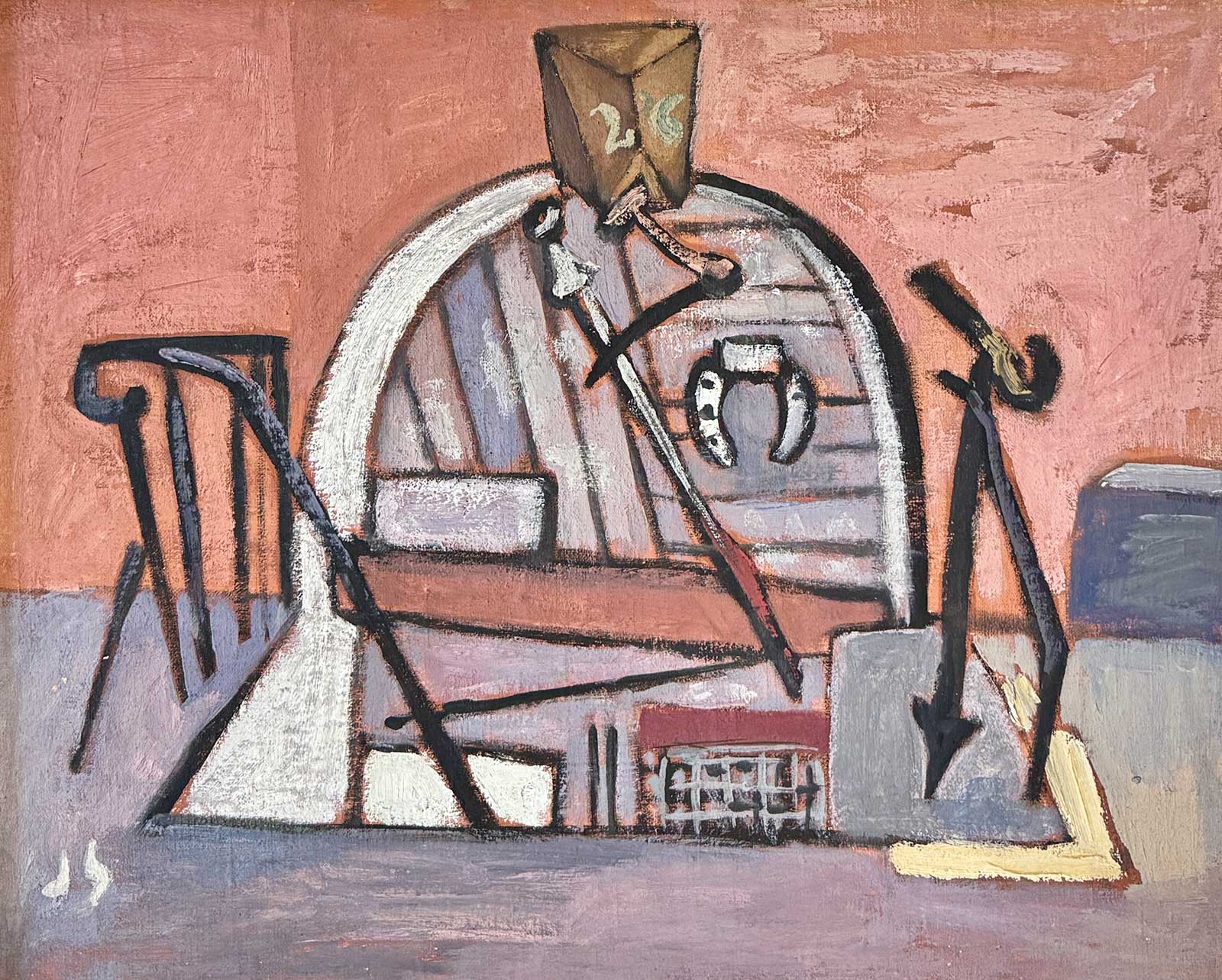
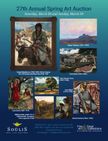
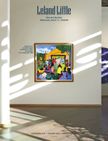
Joseph Solman (1909-2008), Cellar with Horseshoe, ca. 1938. Oil on canvas, 16 x 20 in., signed lower left. Available at Helicline Fine Art, New York, NY.
Joseph Solman (1909-2008)
Cellar with Horseshoe
Brought to America from Russia as a child in 1912, Solman was a prodigious draftsman and knew, in his earliest teens, that he would be an artist. In 1929, Solman saw the inaugural show at the Museum of Modern Art featuring Seurat, Gauguin, Van Gogh and Cezanne, and it changed his life and art. Solman was, with Mark Rothko, the unofficial co-leader of The Ten, a group of expressionist painters who exhibited as the “Whitney Dissenters” at the Mercury Galleries in New York in 1938. In 1964, The New York Times, discussing his well-known subway gouaches, called him a “Pari-Mutuel Picasso.” In 1985, on the occasion of a 50-year retrospective, The Washington Post wrote: “It appears to have dawned, at last, on many collectors that this is art that has already stood the acid test of time.”
Helicline Fine Art New York, NY • (212) 204-8833 hello@heliclinefineart.com • www.heliclinefineart.com
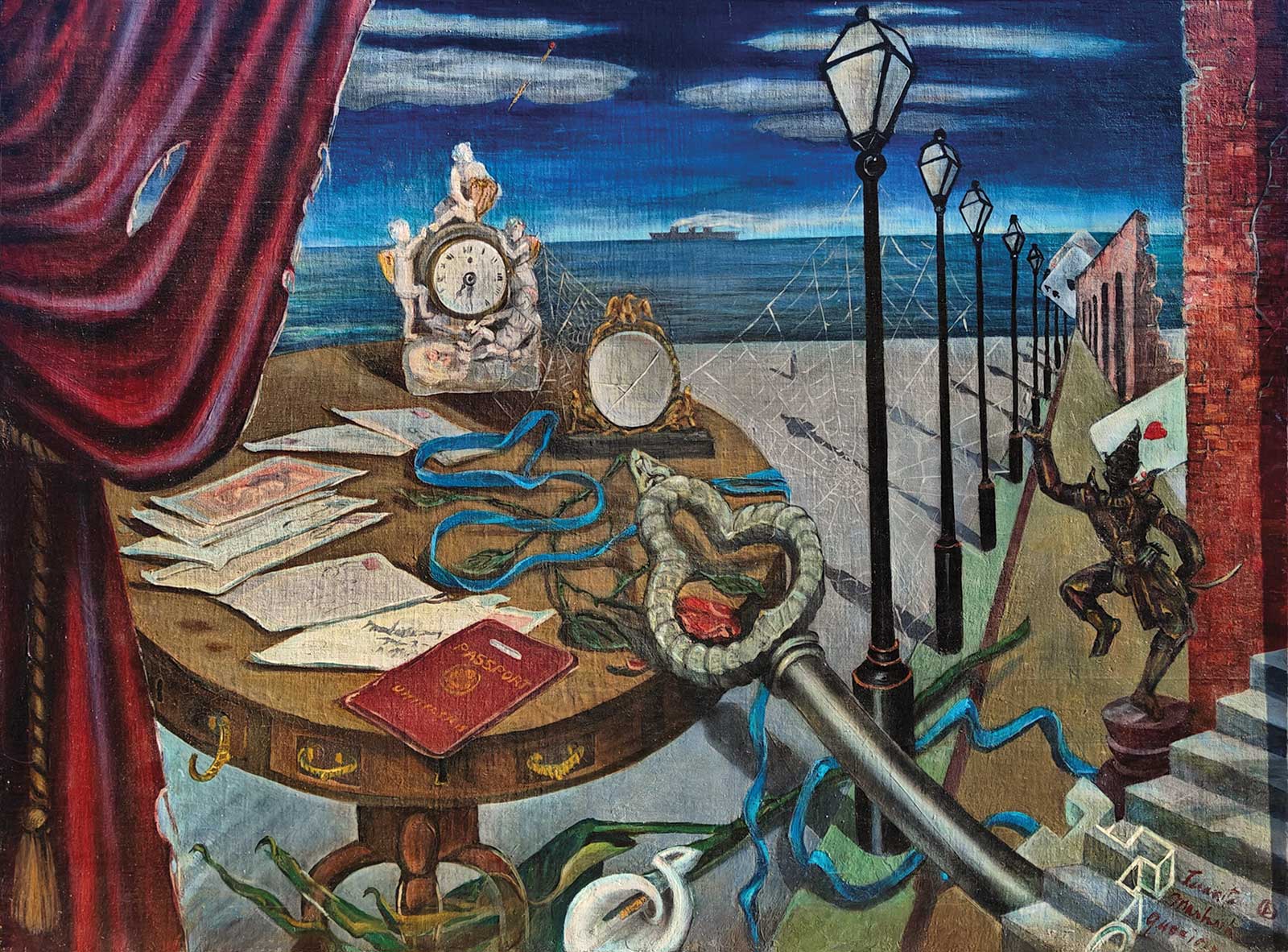
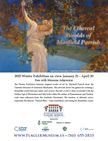
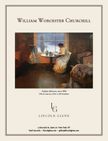
Juanita Guccione (1904-1999), Passport, ca 1949. Oil on canvas, 30¼ x 40 in., signed lower right. Available at Lincoln Glenn, New York, NY.
Juanita Guccione (1904-1999)
Passport
Passport, circa 1949, is part of Juanita Guccione: A Divine Gamble, an exhibition on view at Lincoln Glenn Gallery through March 15. The exhibition focuses on Guccione’s surrealist works primarily from the 1940s, and is her first solo exhibition in New York City since 1975. Many characteristics of Juanita Guccione’s life and actions she took were tremendous gambles. She was openly bisexual, lived amongst a nomadic tribe in Algeria in the 1930s, created Surrealist art which was avant-garde at the time, and chose a career as an artist at a time when women artists were not easily accepted into the market or canons of art history. Guccione’s output defied categorization, spanning Surrealism, Cubism, Social Realism, and Abstraction. Her focus on women as subjects, away from the male gaze, sets her apart from many artists in the Surrealist genre.
Lincoln Glenn 542 West 24th Street • New York, New York 10011 • (646) 764-9065 gallery@lincolnglenn.com • www.lincolnglenn.com
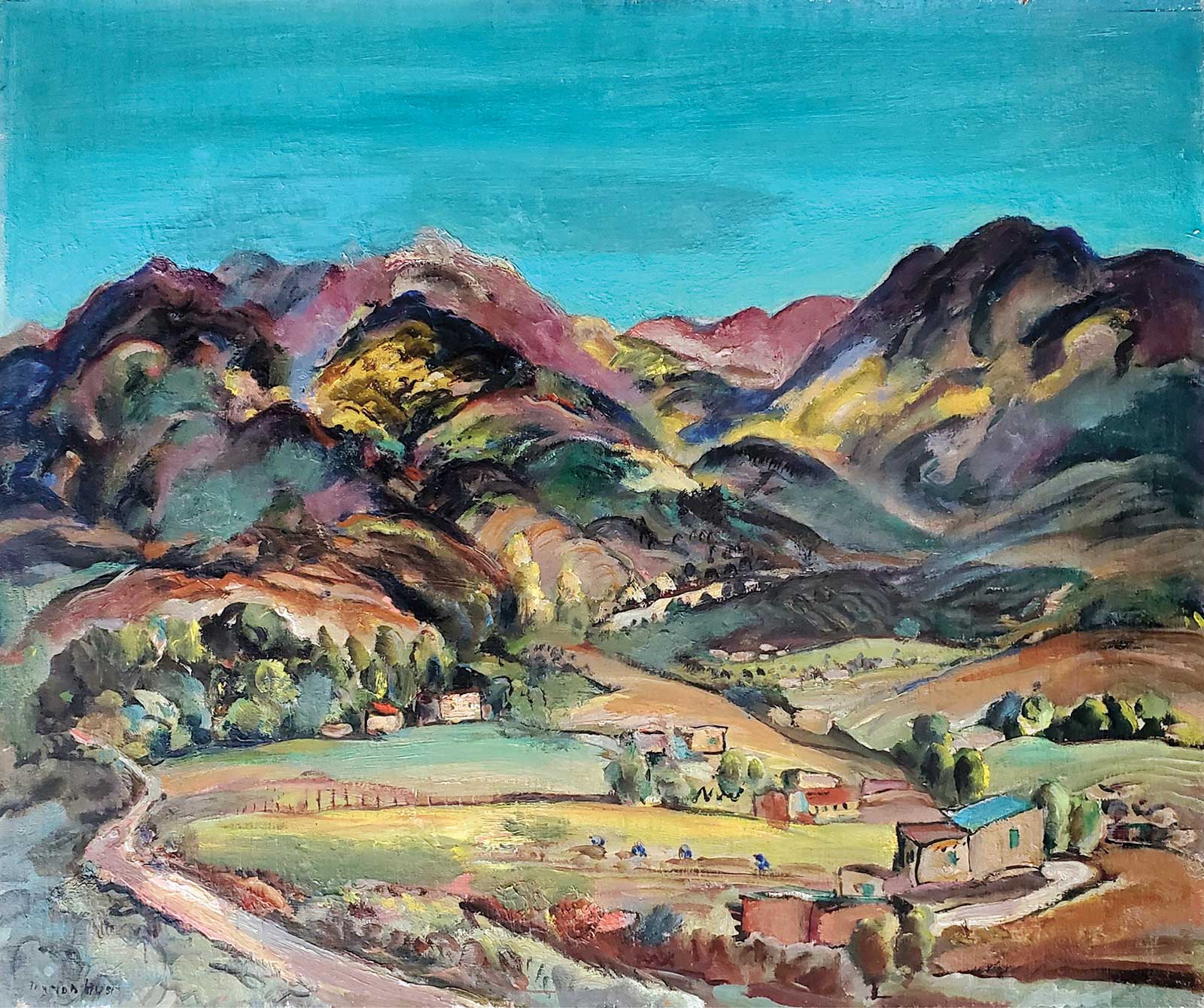
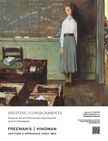
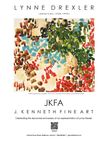
Marion Huse (1896-1967), New Mexico Landscape, ca. 1950. Oil on wood panel, 20 x 24 in. Available at J. Kenneth Fine Art, Shelburne, VT.
Marion Huse (1896-1967)
New Mexico Landscape
Marion Huse’s career as an artist spans several decades and multiple art movements, from the regionalism and American scene painting of the 1930s, to her expressionistic style of the 1950s. She was deeply involved in the Works Progress Administration, the founder of an art school, and a pioneering innovator of serigraphy. She attended the New School of Design, the Carnegie Institute of Art and Technology and, like many New England artists, Huse studied at the Cape Cod School of Art in Provincetown, Massachusetts, under Charles Hawthorne. She also joined the National Serigraph Society of New York which afforded her many opportunities to exhibit her screenprints. In the early 1930s, Huse acquired a summer studio in Pownal, Vermont and became a member of the Southern Vermont Artists Association. Having direct exposure to European Modernism and the School of Paris influenced Huse’s artistic style and approach to painting, as became interested in Cubism and the post-war art movements emanating out of New York. Huse’s paintings became more abstract and expressive throughout the 1950s and ‘60s.
J. Kenneth Fine Art 145 Pine Haven Shores, Suite 1133 A • Shelburne, VT 05482
(802) 540-0267 • jkennethfineart@gmail.com • www.jkennethfineart.com
Powered by Froala Editor