On view through May 4 at the Frist Art Museum in Nashville are two companion exhibitions that explore food and cultural identity through art. From production to consumption, Farm to Table: Art, Food, and Identity in the Age of Impressionism focuses on late 19th-century France through the work of artists such as Gustave Courbet, Paul Gauguin, Claude Monet and Camille Pissarro. Tennessee Harvest: 1870s-1920s, on the other hand, looks at similarly themed paintings made by Tennessee artists and others who spent time in the state. The exhibition features 16 works by 19th- and early 20th-century painters that include Lloyd Branson, George W. Chambers, Gilbert Gaul, Cornelius Hankins, Willie Betty Newman, Catherine Wiley and more whose subject matter and style was influenced by their European counterparts.
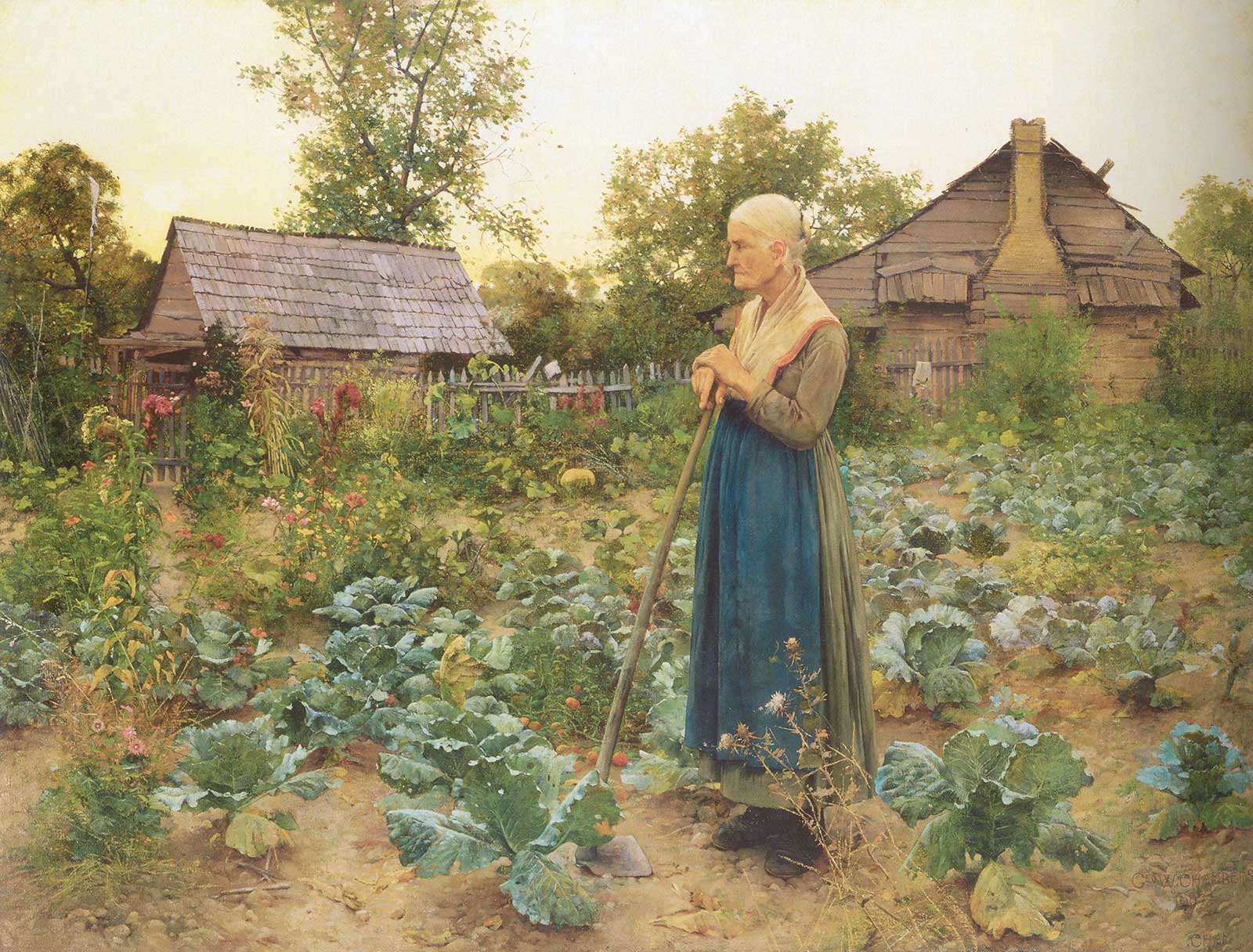
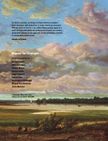
George W. Chambers (1857-1897), In the Tennessee Mountains, 1887. Oil on canvas, 47 x 63 in. Tennessee State Museum.
“One very interesting connection is in still life,” explains Mark Scala, Frist Art Museum chief curator. “In showing humble fare like potatoes, a scrawny plucked chicken and a sack of apples, Tennessee still life paintings implicitly equate the plainness of the table to a lack of pretension, an ethos of frugality and simplicity that has undertones of Jacksonian democracy—this is cooking, not cuisine, by and for plain folks, the salt of the earth. In Farm to Table, the closest equivalent is Courbet’s 1871 Still Life with Apples, Pear, and Pomegranates. The fruit is squat, unbeautiful, the fare of the working class, perhaps. It is not shown with cut-glass goblets or any other indicator of luxury…His still life paintings of this period may have been meant as veiled critiques of France’s class system.”
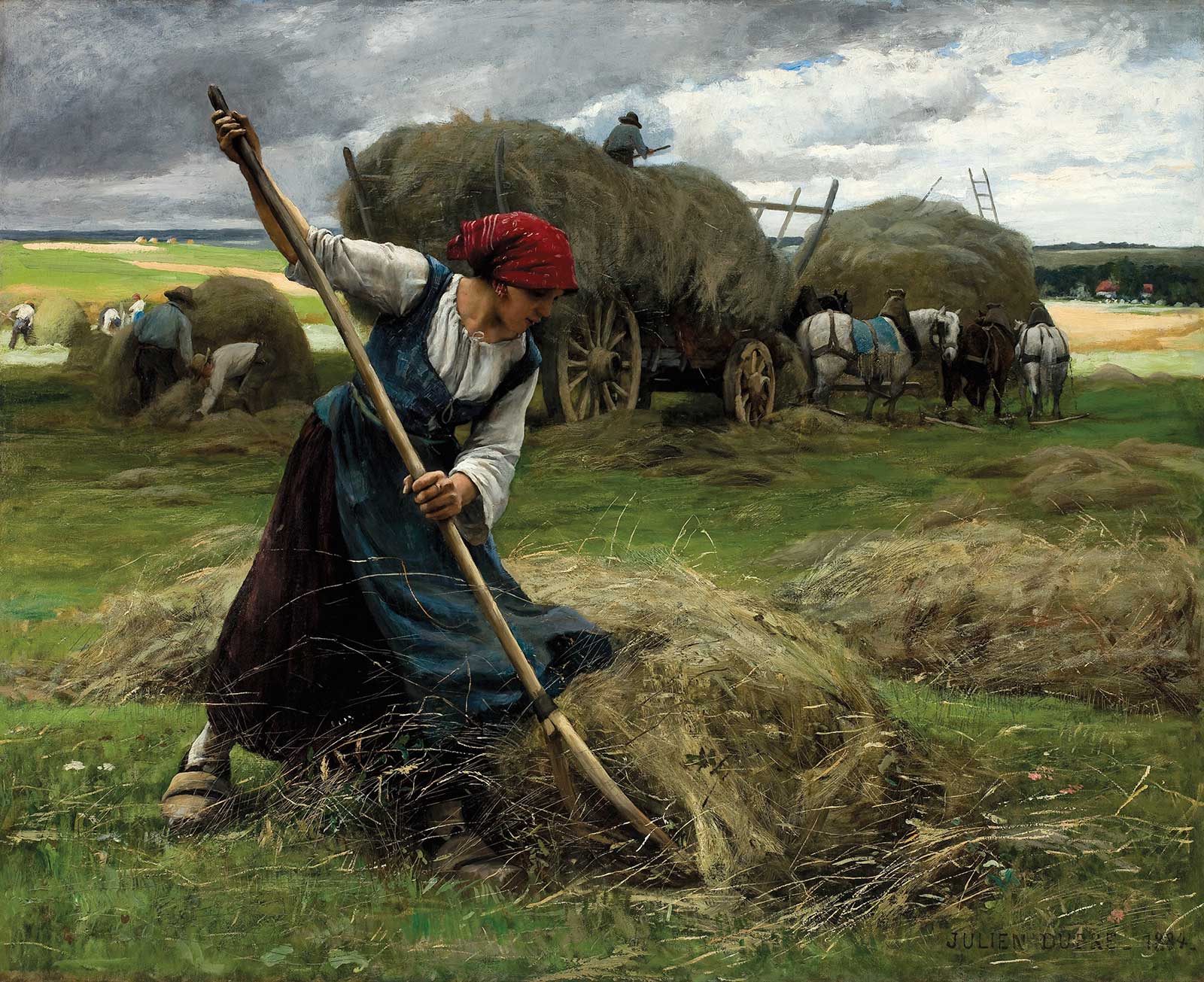
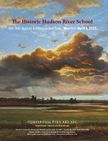
Julien Dupré (1851-1910), Haying Scene, 1884. Oil on canvas, 485/8 x 59½ in. Saint Louis Art Museum. Gift of Justina G. Catlin in memory of her husband, Daniel Catlin.
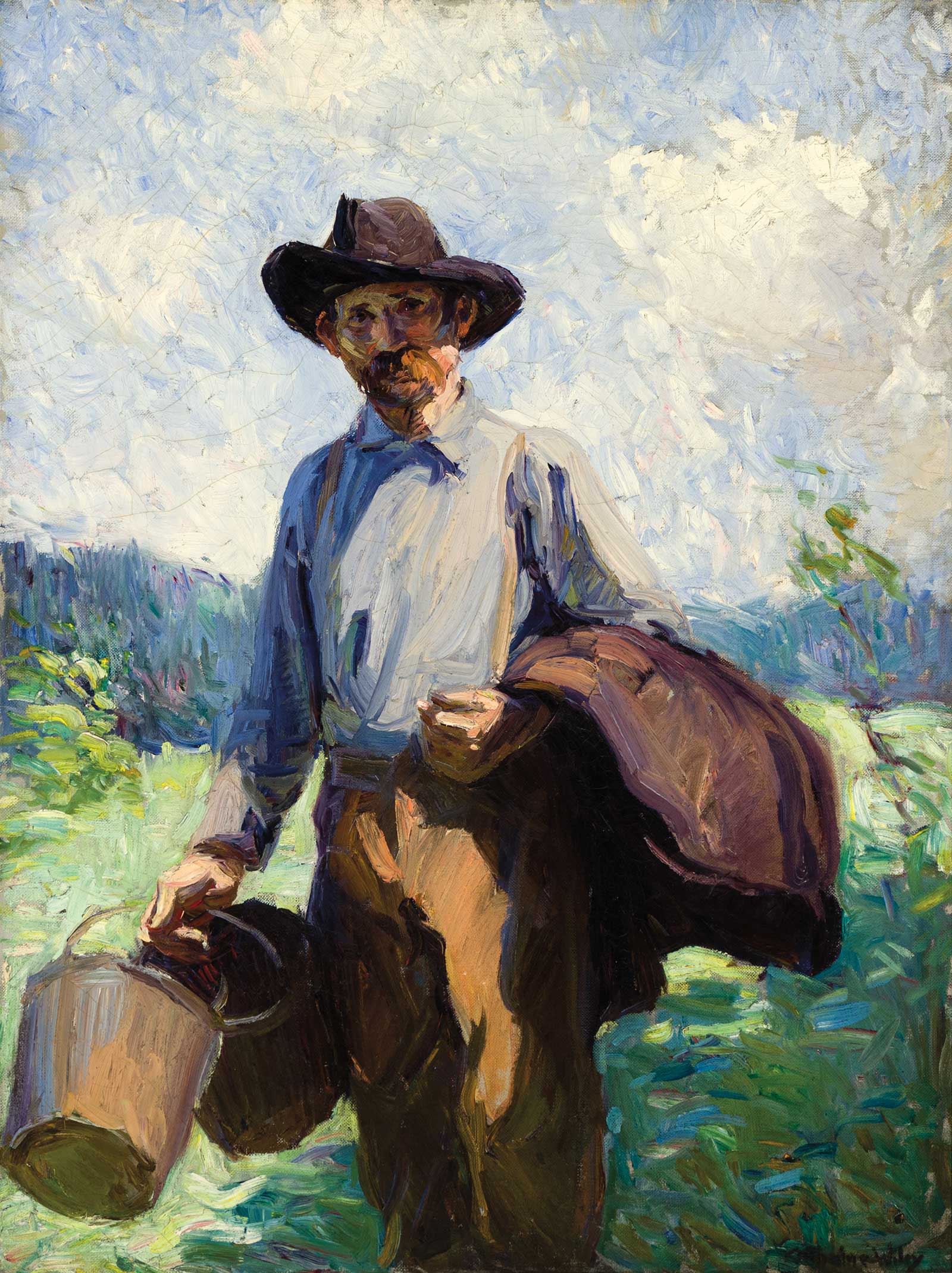
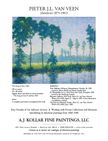
Catherine Wiley (1879-1958), Morning Milking Time, ca. 1915. Oil on canvas, 46 x 36¼ in. Knoxville Museum of Art and Calvin M. McClung Historical Collection, Knox County Public Library.
Another strong parallel can be found in Chambers’ 1887 painting In the Tennessee Mountains, in which an elderly woman leans on a hoe in a cabbage patch, and Julien Dupré’s 1884 Haying Scene of a woman laboring in the fields. (Dupré was Chambers’ teacher at Paris’ Académie Julian.)
Artists on both sides of the Atlantic often presented romanticized visions of agricultural life—pictures of strong, hard-working farmers and harvesters, rural self-sufficiency and resiliency. In the South it reinforced the perception of the region as predominantly agrarian, although industry and manufacturing were also driving forces of the economy. Scala suggests that “the overlap has something to do with agrarian philosophies in Europe and the United States, which argued for a return to the ideals of traditional farming, signaling a pre-industrial period of harmony between humanity and nature. Both, too, capture an appreciation for the difficulty and honorability of farm work…Stereotypes of peasants in France or people in the backwoods of Appalachia have represented them as crude, lewd, ineducable, even less than human. But with the Enlightenment, a philosophy that crossed the Atlantic in the 18th century, there was a growing recognition of the universality of human rights—nobody was born to be better than anyone else. This, of course, in the minds of Enlightenment philosophers, didn’t apply to the people of colonies, women, or Black and Indigenous people in the United States.”
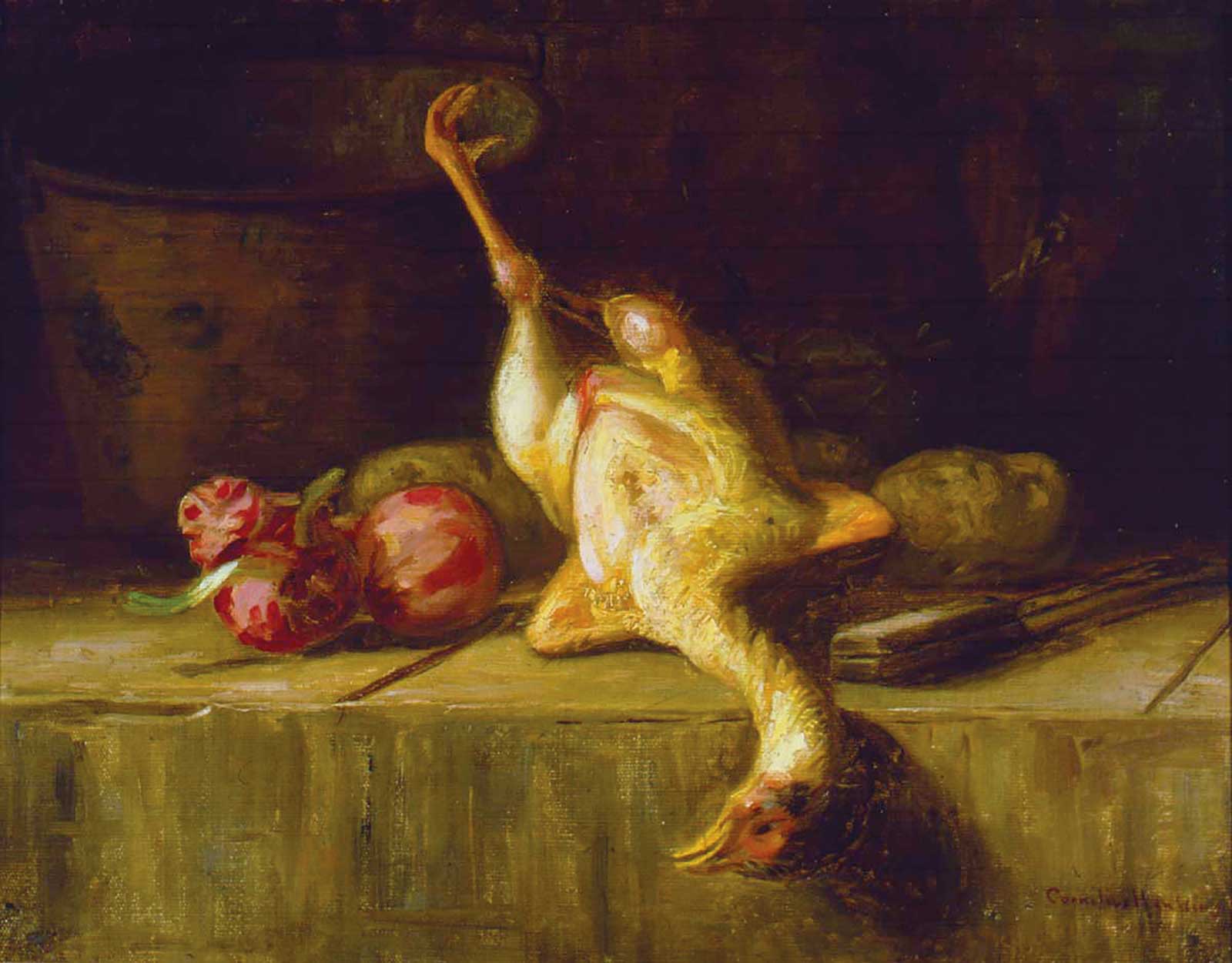
Cornelius Hankins (1863-1946), Chicken Dinner, ca. 1890-1910. Oil on canvas, 16 x 20 in. Cheekwood Estate and Gardens, 1984.9.2.
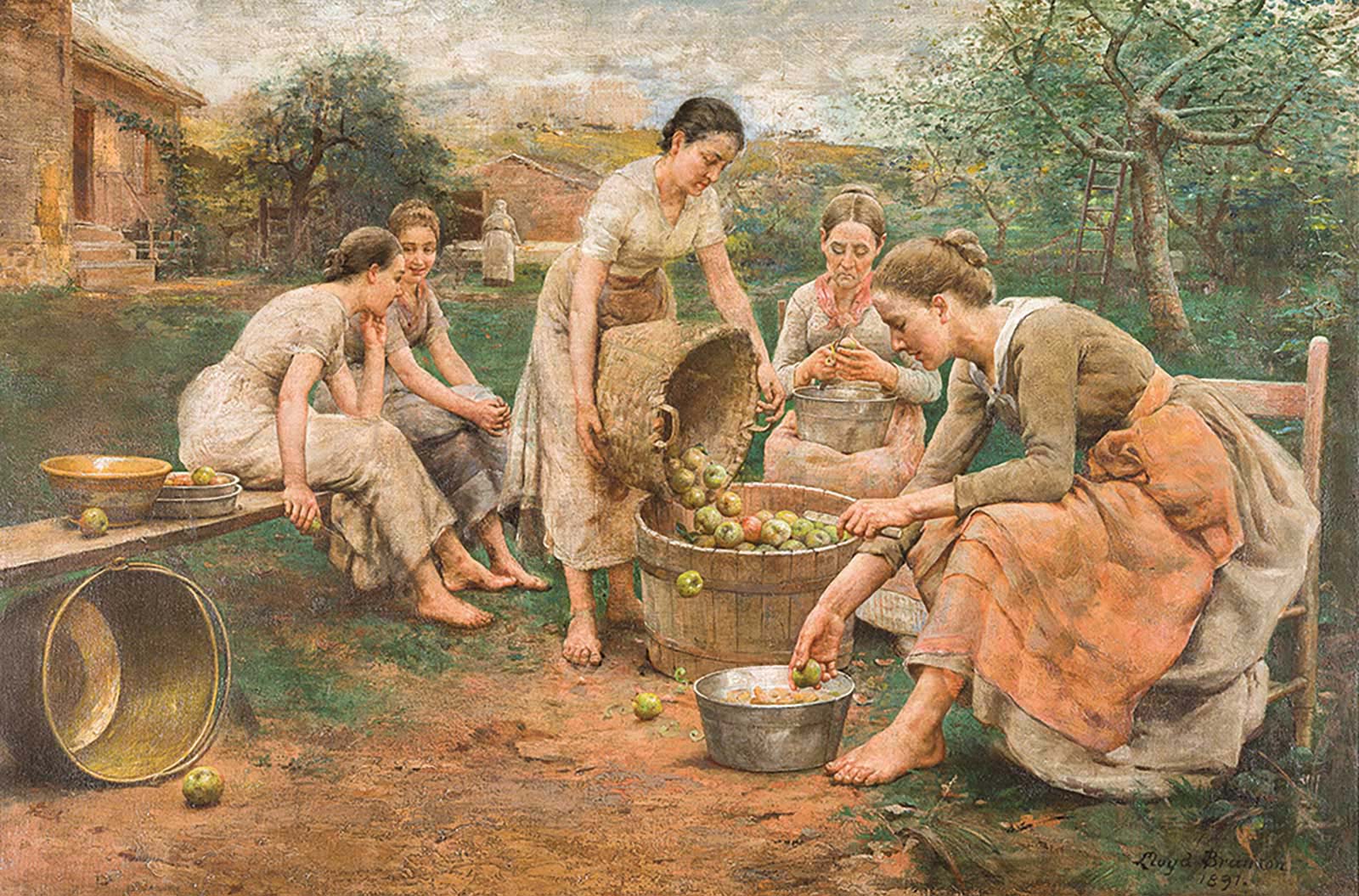
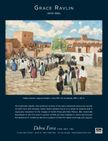
Lloyd Branson (1853-1925), Women at Work, 1891. Oil on canvas; 29 x 49½ in. Courtesy Calvin M. McClung Historical Collection.
He says, “To provide a different, decidedly non-romantic view of farmwork, we have compiled a slideshow of photographs showing Black sharecroppers, cooks, or chicken farmers, threshing machines, hogs being loaded onto a riverboat, and other less idealizing views of foodways.”
There are some examples that balance nostalgia with the harsher realities of farm life, such as William Gilbert Gaul’s Van Buren, Tennessee (1881), in which smoke rises cozily from a cabin in the midst of failing buildings and busted fencing. Catherine Wiley’s impressionistic painting Milking Time, of a day laborer on her sister’s farm, is also a more accurate portrayal. Scala says, “Her thick gestural brushstrokes imply that the painting was done rapidly and on the spot, an immediate response to an ordinary situation, not offering any kind of moralizing, heroizing or agrarian philosophy.” —
Powered by Froala Editor
Powered by Froala Editor