The exhibition The Life and Art of Tokio Ueyama at the Denver Art Museum dives into the career of 20th-century Japanese American artist Tokio Ueyama during a pivotal time in United States history. “Following the bombing of Pearl Harbor in 1941, Tokio and his wife Suye were among more than 120,000 Japanese Americans forcibly relocated by federal order away from the West Coast and into American concentration camps. More than 10,000 people were unconstitutionally incarcerated at [Camp] Amache in the following years, making it the 10th-largest ‘city’ in Colorado at the time. There, Ueyama taught adult art classes to 150 students,” notes the Denver Art Museum.
The exhibition features more than 40 paintings loaned to the museum from the Japanese American National Museum and Ueyama’s family, allowing the story of this important and accomplished artist to be told at the Denver Art Museum for the first time.
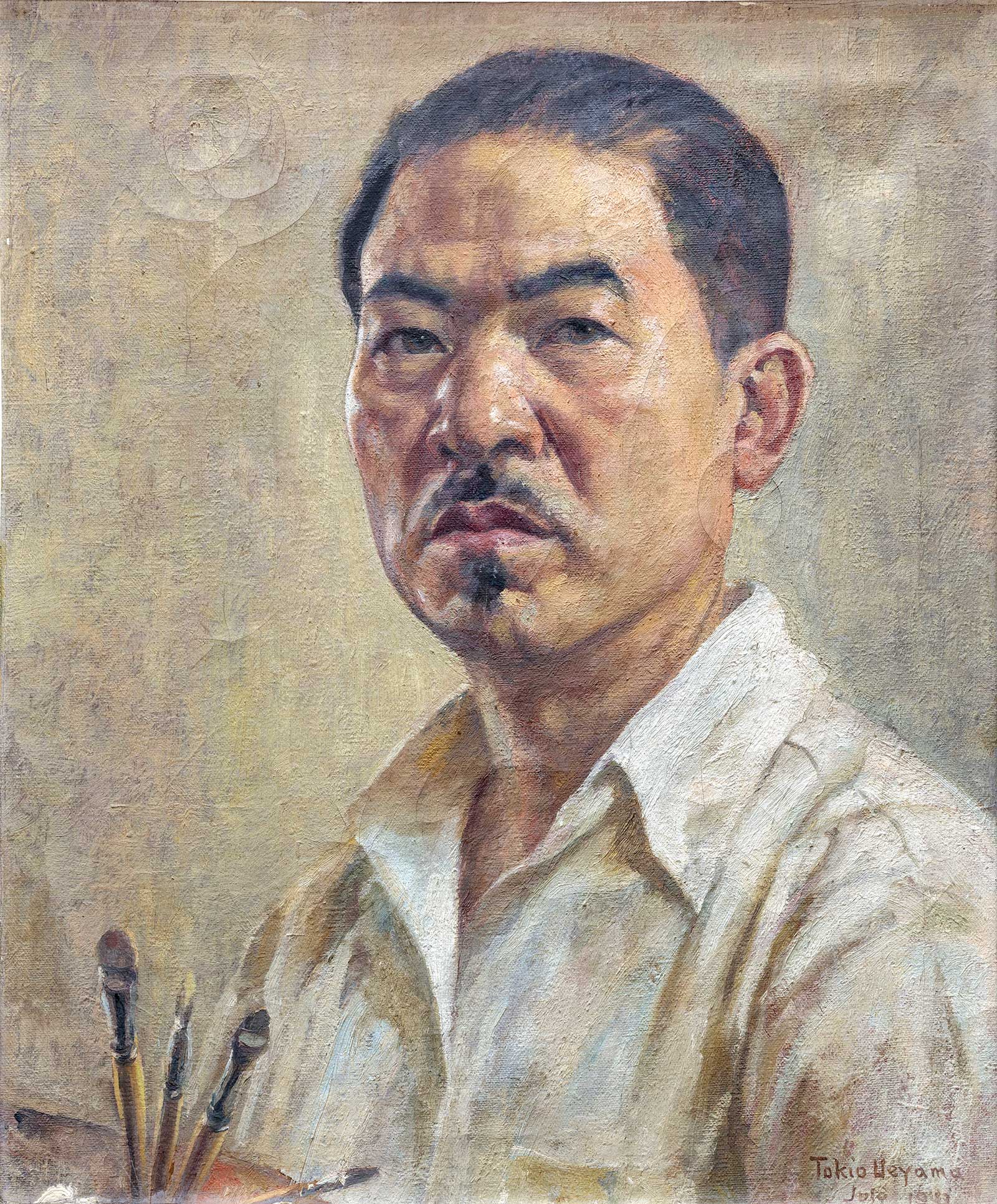
Tokio Ueyama (1889-1954), Self Portrait, July 1943. Oil on canvas, 18 x 16 in. Bunkado, Inc. © Estate of Tokio Ueyama. Photo courtesy Joshua White. Image courtesy Bunkado, Inc.
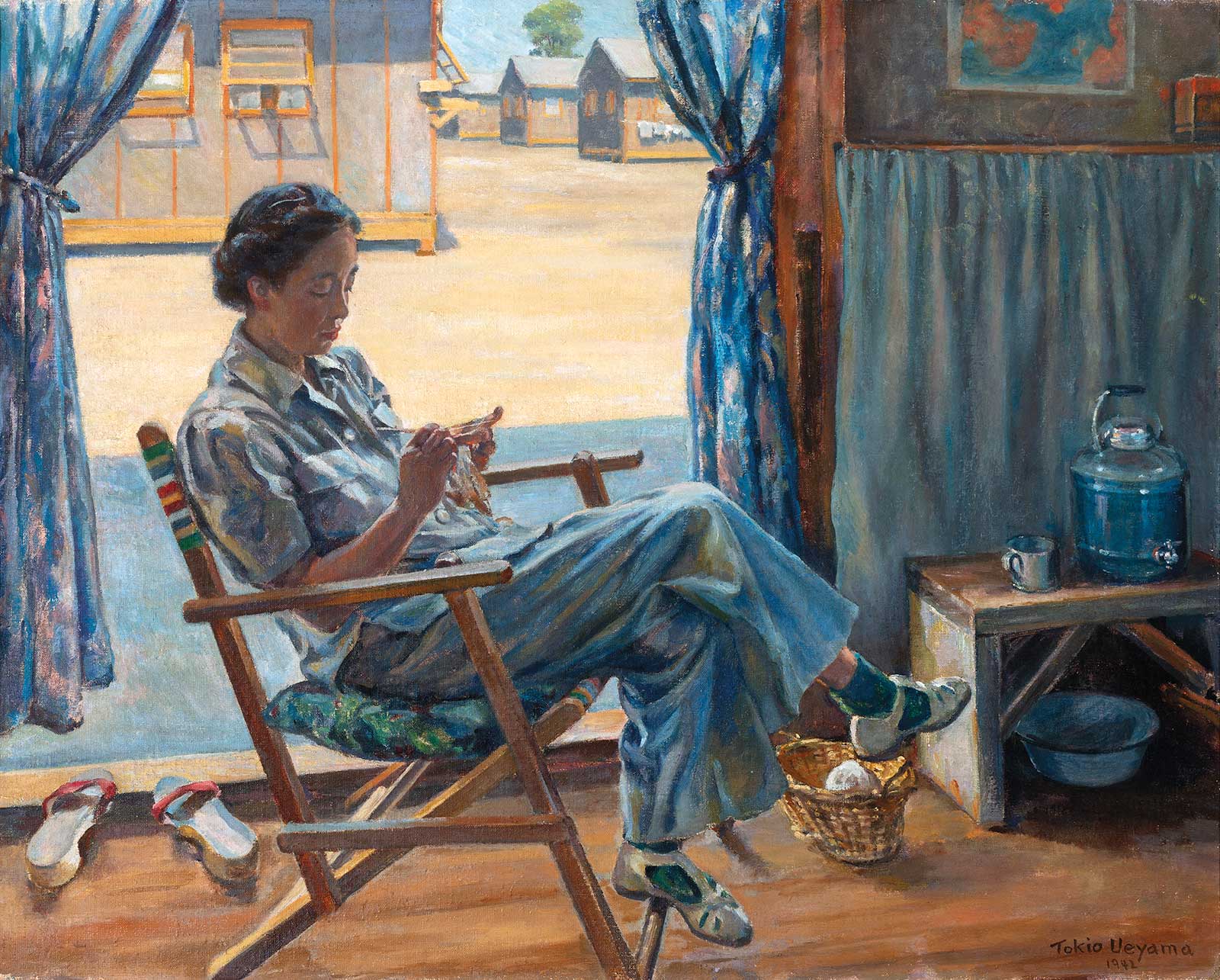
Tokio Ueyama (1889-1954), The Evacuee, 1942. Oil on canvas, 24 x 30¼ in. Courtesy Japanese American National Museum: Gift of Kayoko Tsukada, 92.20.3. © Estate of Tokio Ueyama.
“The Petrie Institute continues to expand American art histories, seeking underappreciated or overlooked artists and unexpected stories,” says JR Henneman, show curator and director of the Petrie Institute of Western American Art at the Denver Art Museum. “The life and work of Tokio Ueyama fits well within the mission of the Institute while revealing that there are many stories yet to be told, including those that touch upon some of the country’s most challenging histories.”
Visitors should pay particular attention to Ueyama’s self-portraits. Among these is a 1943 oil of the artist looking intently at the viewer, his body slightly turned at an angle. “His self-portraits are worth considering, especially the powerful self-representation he made while incarcerated at Amache in 1943,” Henneman says. A discussion detailing the importance of these paintings and the contexts in which they were produced can be found in Henneman’s digital essay on the artist at ueyama.denartmus.org.
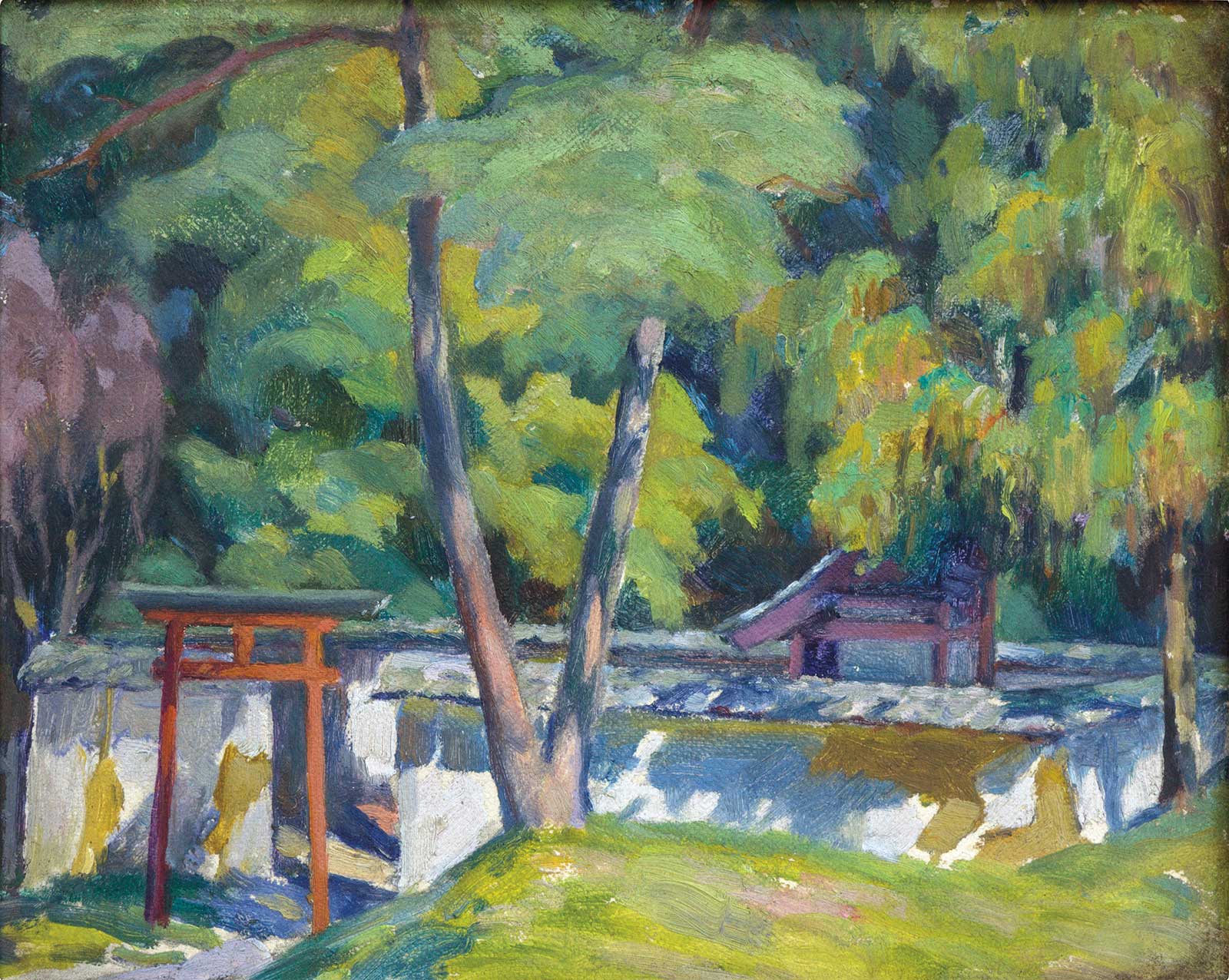
Tokio Ueyama (1889-1954), Untitled (Tori Gate), 1937. Oil on board, 8¾ x 10½ in. Bunkado, Inc. Image courtesy Bunkado, Inc.
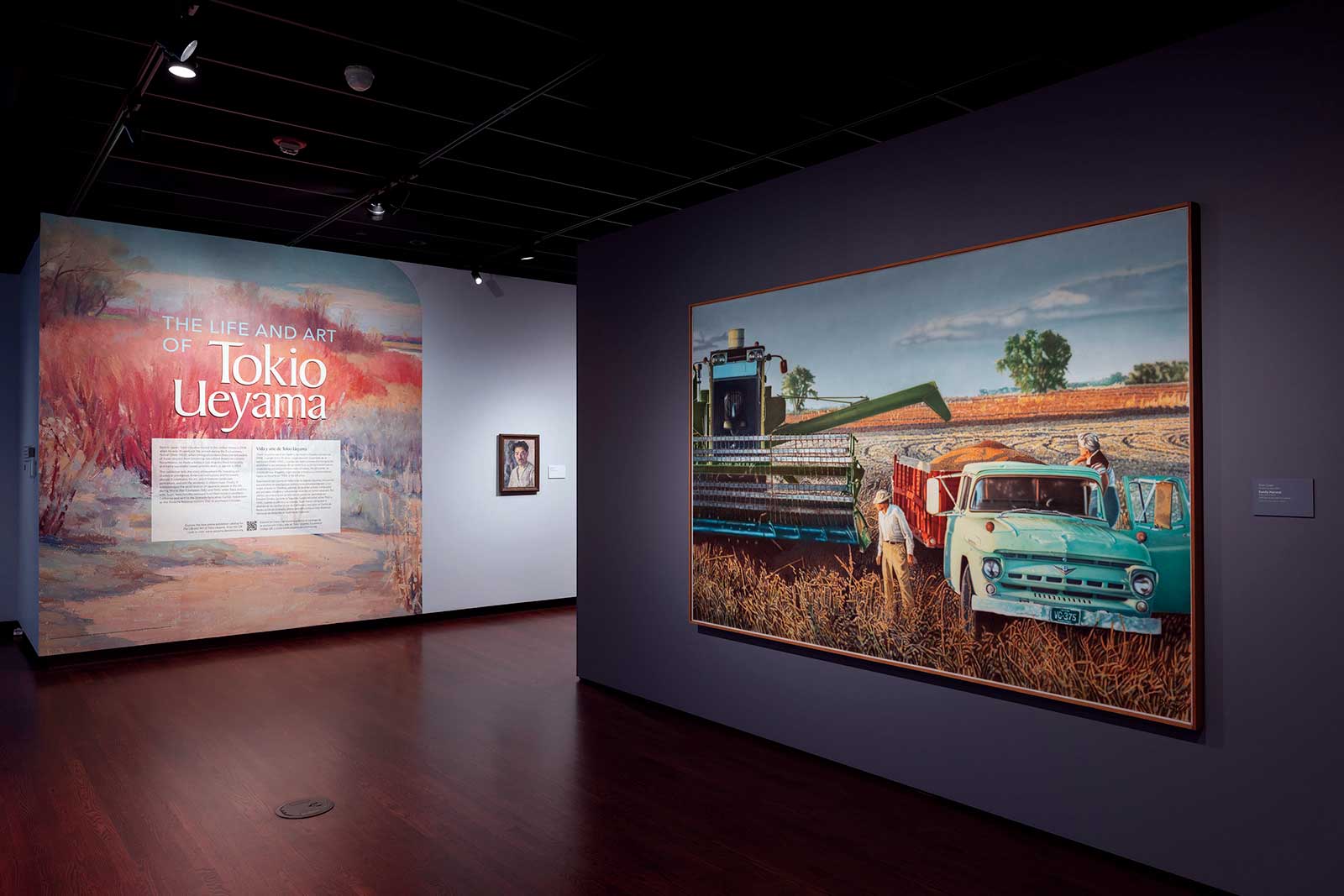
An installation view of The Life and Art of Tokio Ueyama at the Denver Art Museum.
“One of the most poignant paintings is The Evacuee featuring his wife, Suye, in their barrack apartment at the Santa Anita Detention Center in Los Angeles, where they were held before being sent to Amache in Southeast Colorado,” says Henneman. In a palette of soft blues and diffused natural light, Ueyama depicts his wife resting in a moment of calm. “It is a peaceful genre scene that belies the psychological and physical challenges of forced relocation and loss. Even during such a difficult experience, Ueyama sought beauty and harmony in his artwork,” Henneman adds.
The Life and Art of Tokio Ueyama will be on view through June 1 in the Western American Art Gallery in the museum’s Martin Building. —
Powered by Froala Editor