
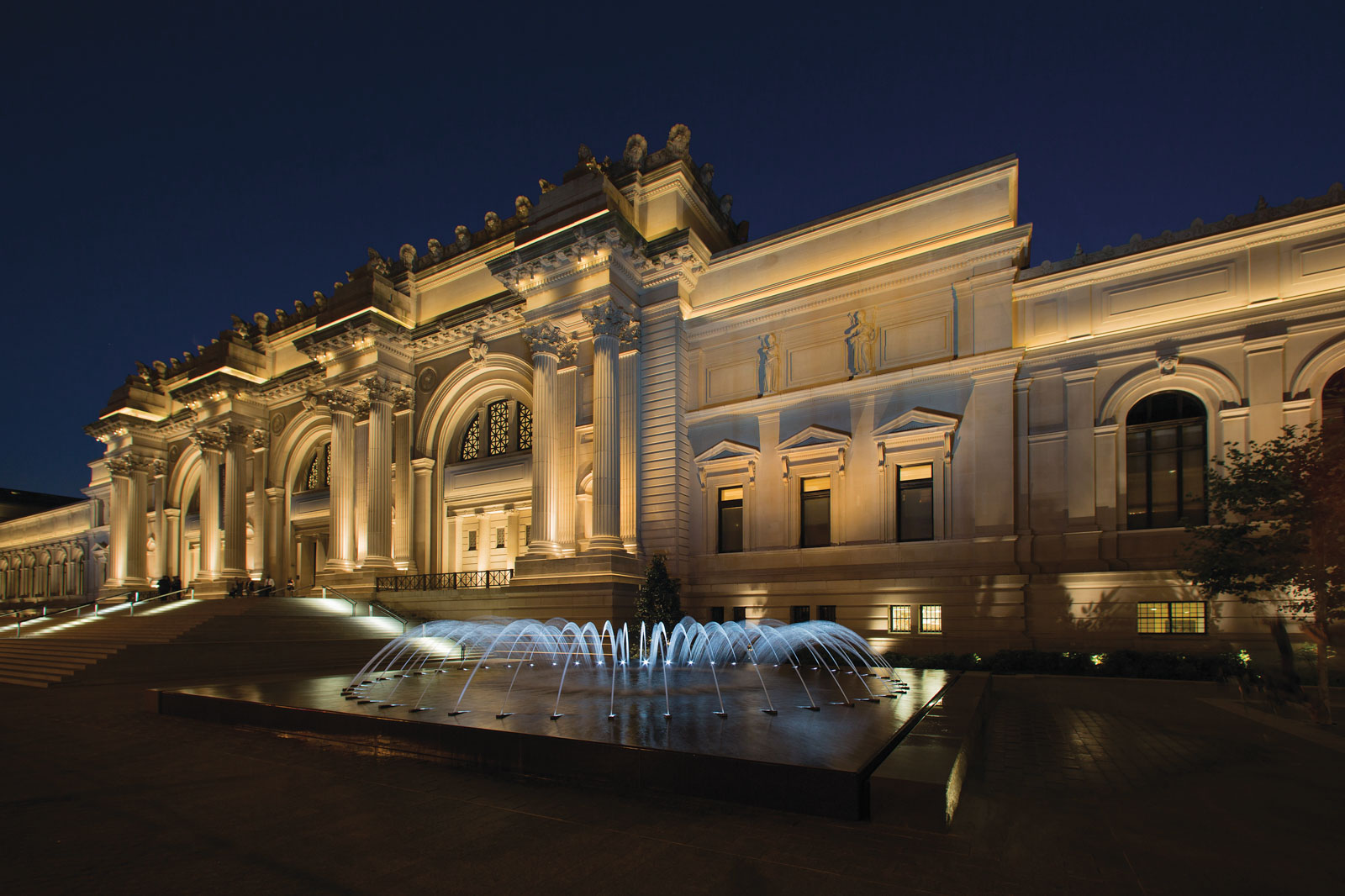
 The following is excerpted from “Museums as Economic Engines,” conducted by the AAM & Oxford Economics in 2017 with post-pandemic data from the “2023 Annual National Snapshot of United States Museums,” conducted by AAM and Wilkening Consulting. For more information visit www.aam-us.org
Museums play an essential role in cultural and social life across the United States by collecting, preserving, researching and interpreting objects, living specimens and historical records. In doing so, museums enrich our lives, providing forums for learning and support, as well as a variety of services to our communities. Museums preserve and protect more than a billion objects and help the public better understand and appreciate cultural diversity. But beyond this cultural impact, the museum sector is also essential to the national economy—generating Gross Domestic Product, creating jobs and contributing taxes. Demand for the kind of opportunities and engagement that the museum sector provides is widespread, and data about visits and exhibits is readily available. More than 850 million visits are made each year to American museums. In 2009, AAM completed a financial study of museums, but despite this, no comprehensive economic analysis [had] attempted to address the overarching impact of the museum sector on the U.S. economy, [and] we have lacked comprehensive economic data representing the diverse museum field. To address this, in 2017, the American Alliance of Museums (AAM)… commissioned Oxford Economics to conduct research, analysis and impact modeling to clearly quantify the economic contribution of [this country’s] museums…Explore findings from this study on museums’ economic impact pre-pandemic, and a 2023 snapshot of the museum sector, on the following page..
Museums: Pre-Pandemic
- Museums support over 726,000 American jobs.
- Museums contribute $50 billion to the U.S. economy each year.
- Seventy-six percent of all U.S. leisure travelers participate in cultural or heritage activities such as visiting museums. These travelers spend 60 percent more money on average than other leisure travelers.
- The economic activity of museums generates over $12 billion in tax revenue, one-third of it going to state and local governments. Each job created by the museum sector results in $16,495 in additional tax revenue.
- Every direct job at a museum supports an additional job in the economy. This is a higher rate than many other industries.
- Museums and other nonprofit cultural organizations return more than $5 in tax revenue for every $1 they receive in funding from all levels of government.
- Museums preserve and protect more than a billion objects.
Museums: The Road to Recovery
- The pandemic has inflicted profound damage on U.S. museums, the vast majority of which are…nonprofit charitable organizations. While the museum field is making strides in its recovery efforts, it will take years to fully rebound to pre-pandemic levels of staffing, revenue and attendance.
- Survey data shows two-thirds of museums continue to experience reduced attendance; these institutions average 71 percent of their pre-pandemic attendance.
- Financial recovery from the damage of the pandemic has been inconsistent, with 30 percent of museums seeing decreases in net operating performance, 39 percent experiencing increases, and 31 percent seeing no change compared to 2019.
- 26 percent of responding museums have not recovered to their pre-pandemic staffing levels. Of museums recruiting for job openings, 60 percent report trouble filling open positions, primarily among front-line roles. Many museums are changing staff compensation packages and working conditions, including half of respondents who have shrunk the gap between their institution’s highest and lowest salaries and 50 percent implementing new initiatives to enhance staff wellness.
The remainder of this special section is dedicated to museums and the vital role they play in our individual lives, and society and culture at large. In the following pages, we will showcase a diverse selection of this country’s museums, from the most iconic institutions to the highly specialized. Along the way, we will highlight their collections, and delve deeply into their current and upcoming exhibitions of historic American art. We hope that our coverage inspires you to support the museum sector by visiting one—or several—in the months ahead.
Founded in 1832, the Yale University Art Gallery is the oldest university art museum in America. The Gallery collects, preserves, studies and presents art in all media, from all regions of the globe and across time. The museum’s exceptional collection—numbering over 300,000 objects—is the core of its identity. Today, the Yale University Art Gallery is a center for teaching, learning, and scholarship and is a preeminent cultural asset for Yale University, the wider academic community and the public. The museum is open to all, free of charge, and is committed to engaging audiences through thoughtful, creative, and relevant exhibitions, programs and publications.
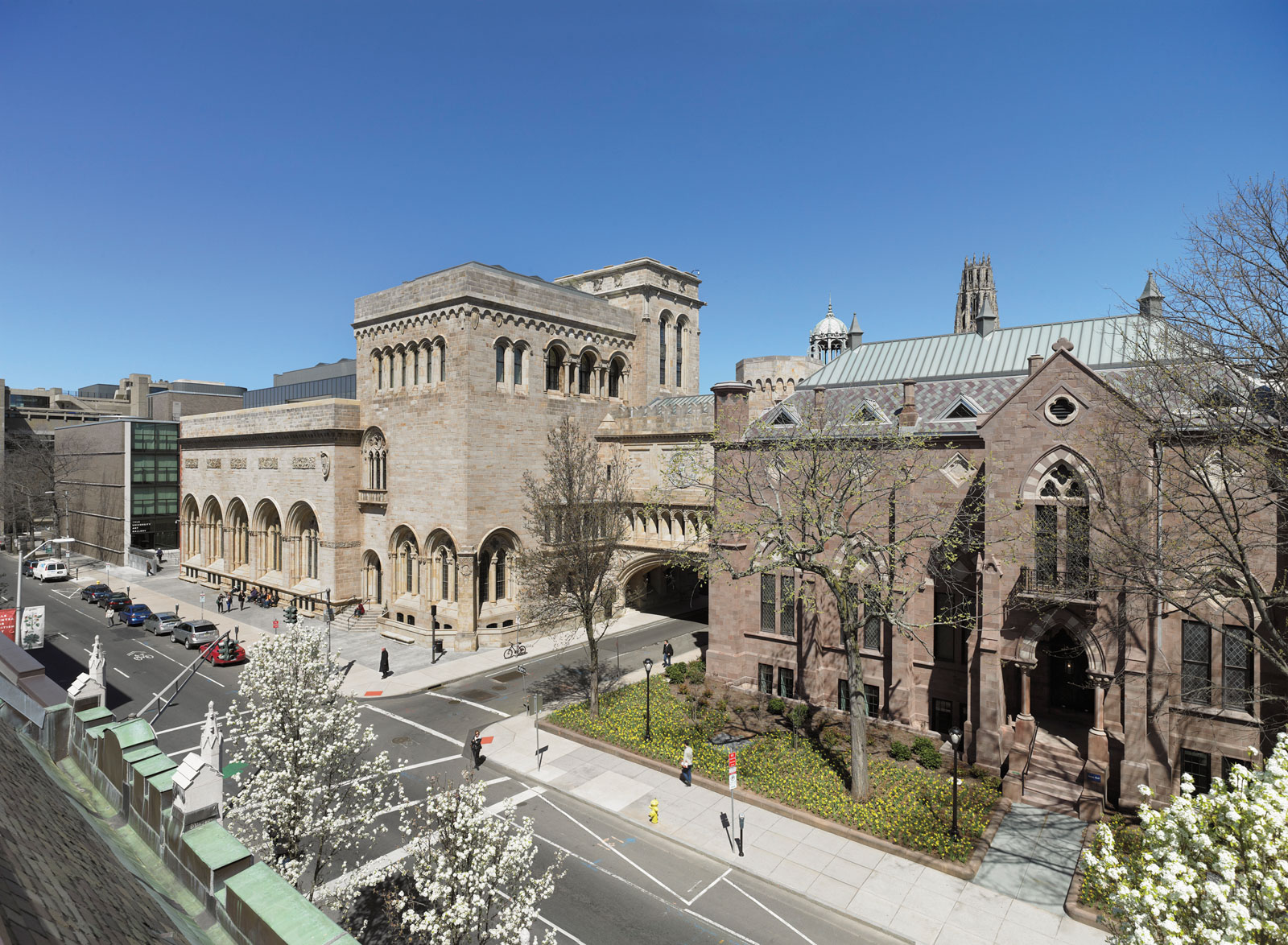 Yale University Art Gallery, New Haven, Connecticut. View of (left to right) the Louis Kahn building, Old Yale Art Gallery building, and Street Hall. Photo: Christopher Gardner.
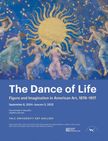
From September 6, 2024, through January 5, 2025, the Yale University Art Gallery presents The Dance of Life: Figure and Imagination in American Art, 1876–1917, the first major exhibition to examine the vitality and expressivity of the human figure in working studies for large civic commissions nationwide during the American Renaissance. Feature-length coverage of this landmark exhibition can be found on Page 48.
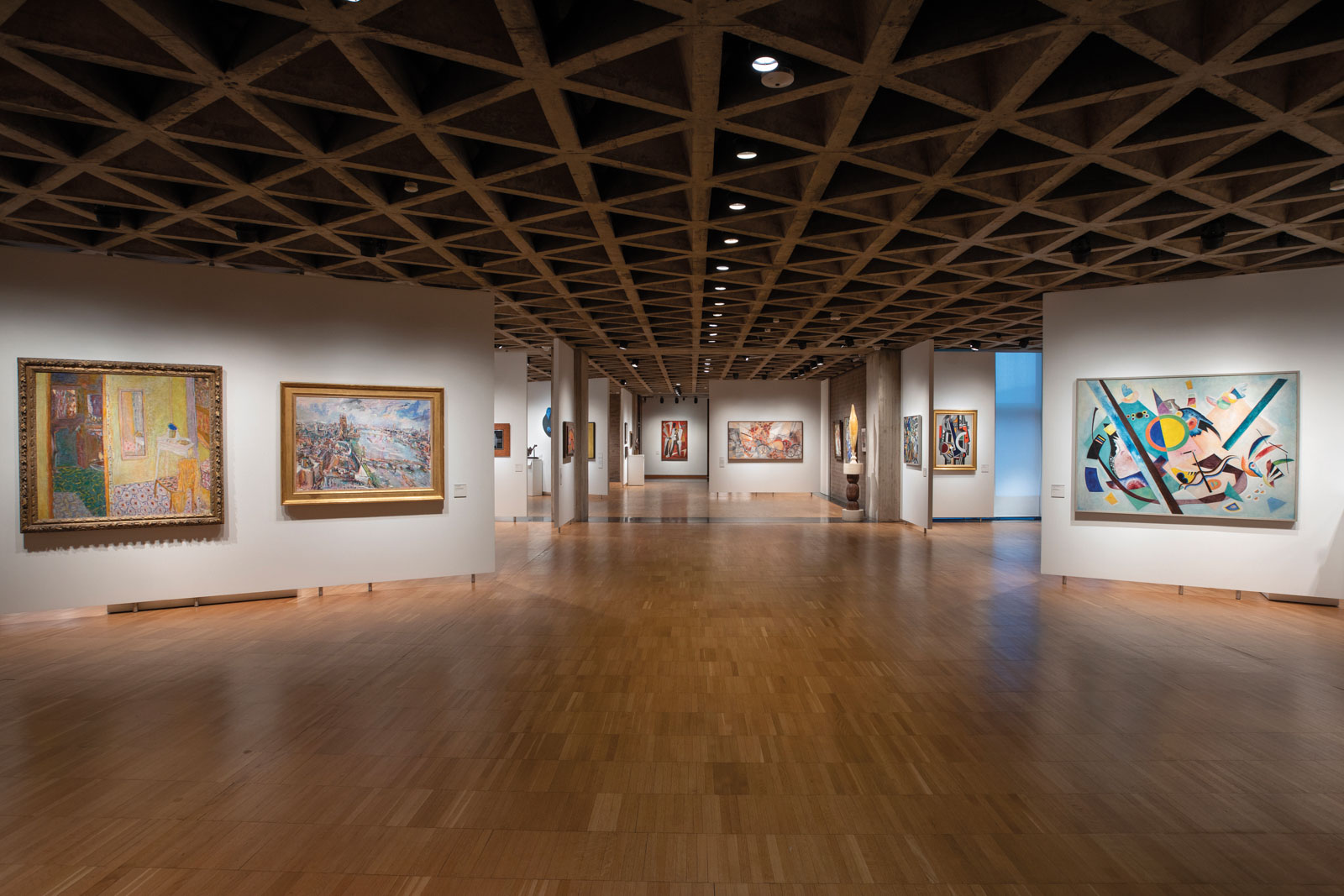 Yale University Art Gallery, view of the modern and contemporary art galleries. Photo: Jessica Smolinski.
Other upcoming exhibitions at the Yale University Art Gallery include David Goldblatt: No Ulterior Motive, a retrospective that spans the seven decades of this South African photographer’s career, from February 21, 2025, through June 22, 2025; and in fall 2025, Indonesian Textiles: History and Cultural Meaning.
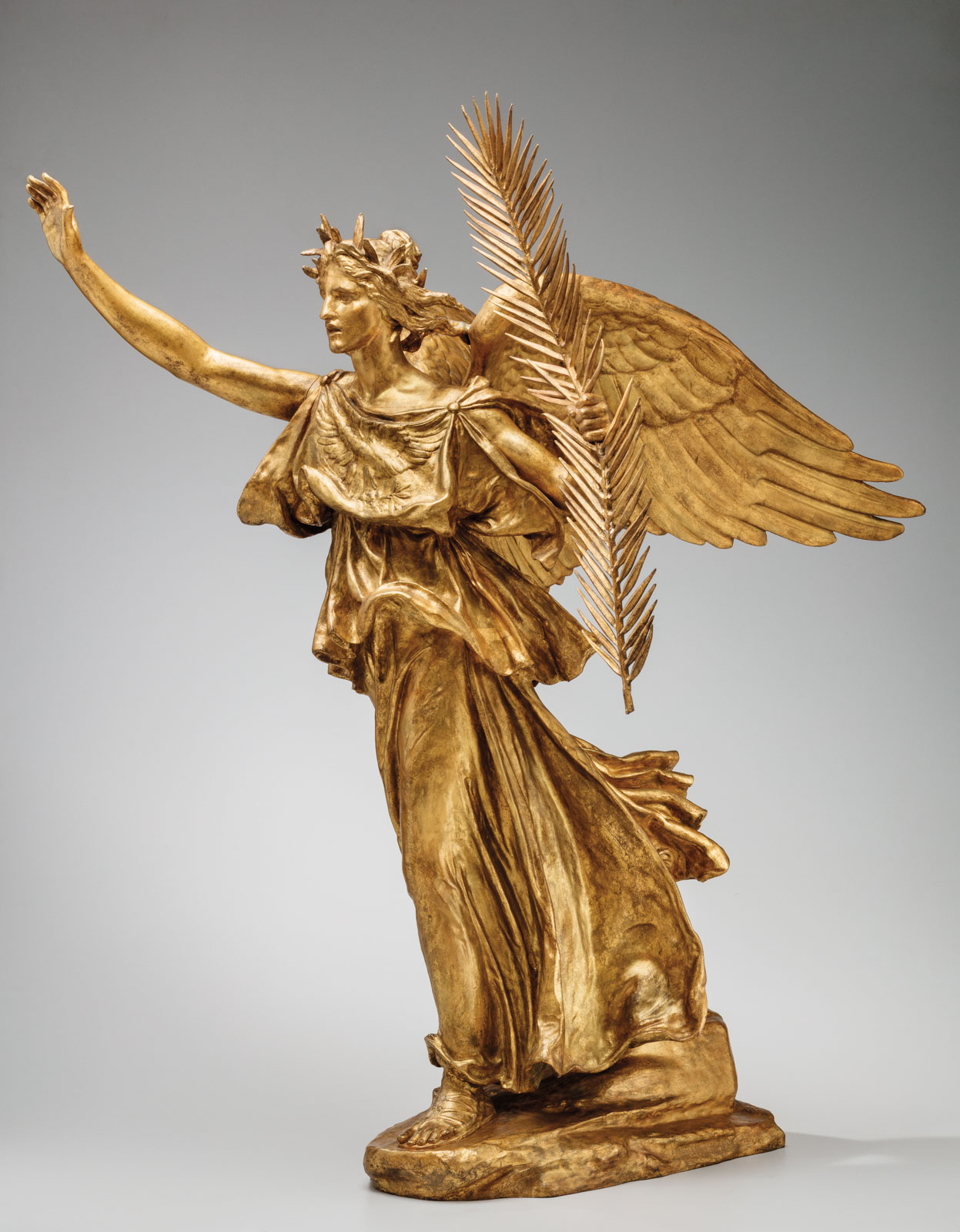 Yale University Art Gallery, Victory (from the Sherman Monument), modeled ca. 1892-1903, cast by 1916. Gilded bronze, by Augustus Saint-Gaudens (1848-1907). Toledo Museum of Art, Purchased with funds from the Florence Scott Libbey Bequest in Memory of her Father, Maurice A. Scott, 1986.34.
Founded in 1936 as North Carolina’s first art museum, the Mint Museum features two iconic locations in Charlotte. Its diverse collection focuses primarily on American, European, craft and contemporary art. Beyond art, The Mint offers enriching experiences through exhibitions, education and community engagement, fostering a deeper understanding and appreciation of creativity across generations.
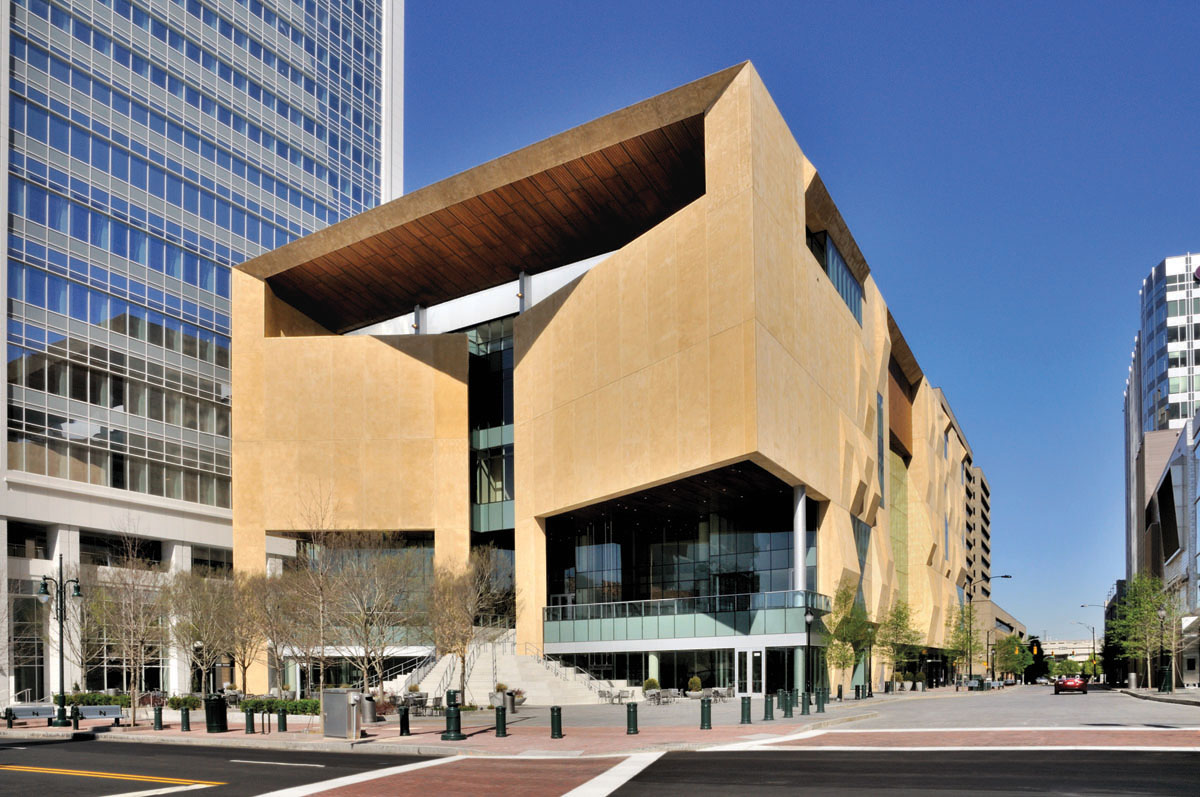 The Mint Museum Uptown at Levine Center for the Arts, Charlotte, North Carolina. Photo courtesy The Mint Museum.
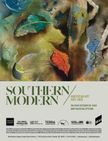
The exhibition Southern/Modern, on view at the Mint Museum from October 26, 2024 through February 2, 2025, celebrates the dynamic evolution of art in the American South from 1945 to the present. This exhibition features over 100 works by both prominent and lesser-known artists, showcasing their contributions to American art history. From contemporary explorations of the Southern landscape and Southern identity to investigations into the many pathways towards abstraction, each piece invites viewers to delve into the region’s rich cultural tapestry and its impact on the broader art world. Through diverse mediums and narratives, Southern/Modern offers a nuanced perspective on how Southern artists have shaped and challenged the boundaries of modern artistic expression. Look for full coverage of Southern/Modern in the next issue.
 The Mint Museum, Where the Shrimp Pickers Live, 1940. Oil on canvas by Dusti Bongé (1903-1993). Mississippi Museum of Art, Jackson, MS. Gift of Dusti Bongé Art Foundation, Inc. 1999.012 © Dusti Bongé Art Foundation.
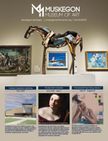
The Muskegon Museum of Art, located near the sandy shores of Lake Michigan, is renowned for its fine collection of American and European art. Regularly on view in the collection galleries, you will find works by notable artists such as John Steuart Curry, Edward Hopper, Winslow Homer, Pierre Bonnard and more. Currently undergoing a major museum expansion, which will double the size of the existing museum, the Muskegon Museum of Art continues to gain national recognition for their ambitious exhibitions and growing permanent collection.
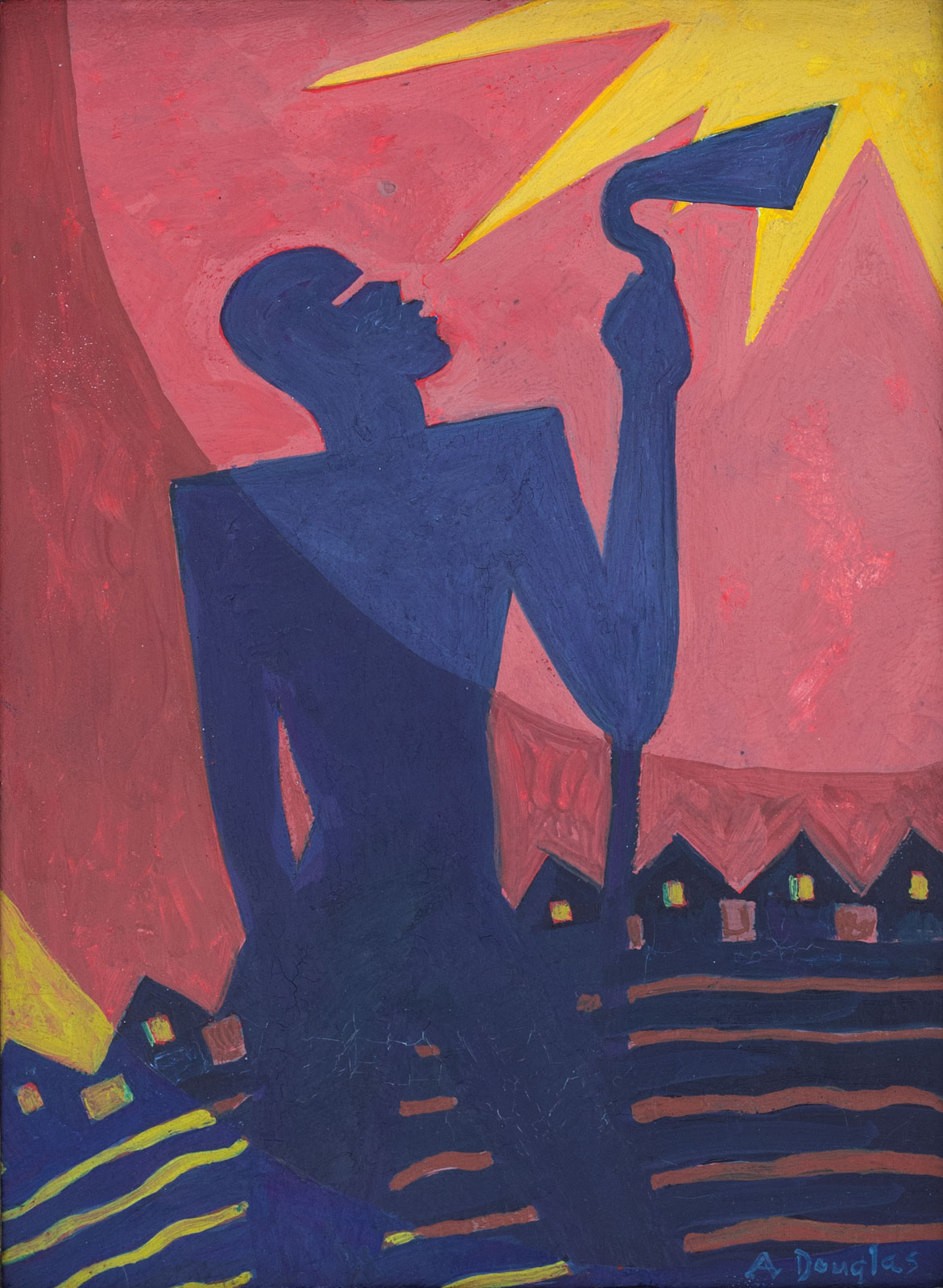 The Mint Museum, The Toiler, ca. 1935. Oil or tempera on board, by Aaron Douglas (1898-1979). The Johnson Collection, Spartanburg, SC.
The Muskegon Museum of Art acquired Henry Ossawa Tanner’s (1859-1937) The Holy Family in 1911 from an exhibition at Thurber Gallery in Chicago. The scene was inspired by Tanner’s trip to the Middle East, where he visited to hone the authenticity of his paintings. The Chicago Daily Tribune noted the painting’s “quality of spiritual mystery,” and its “serene and lofty poetic feeling.”
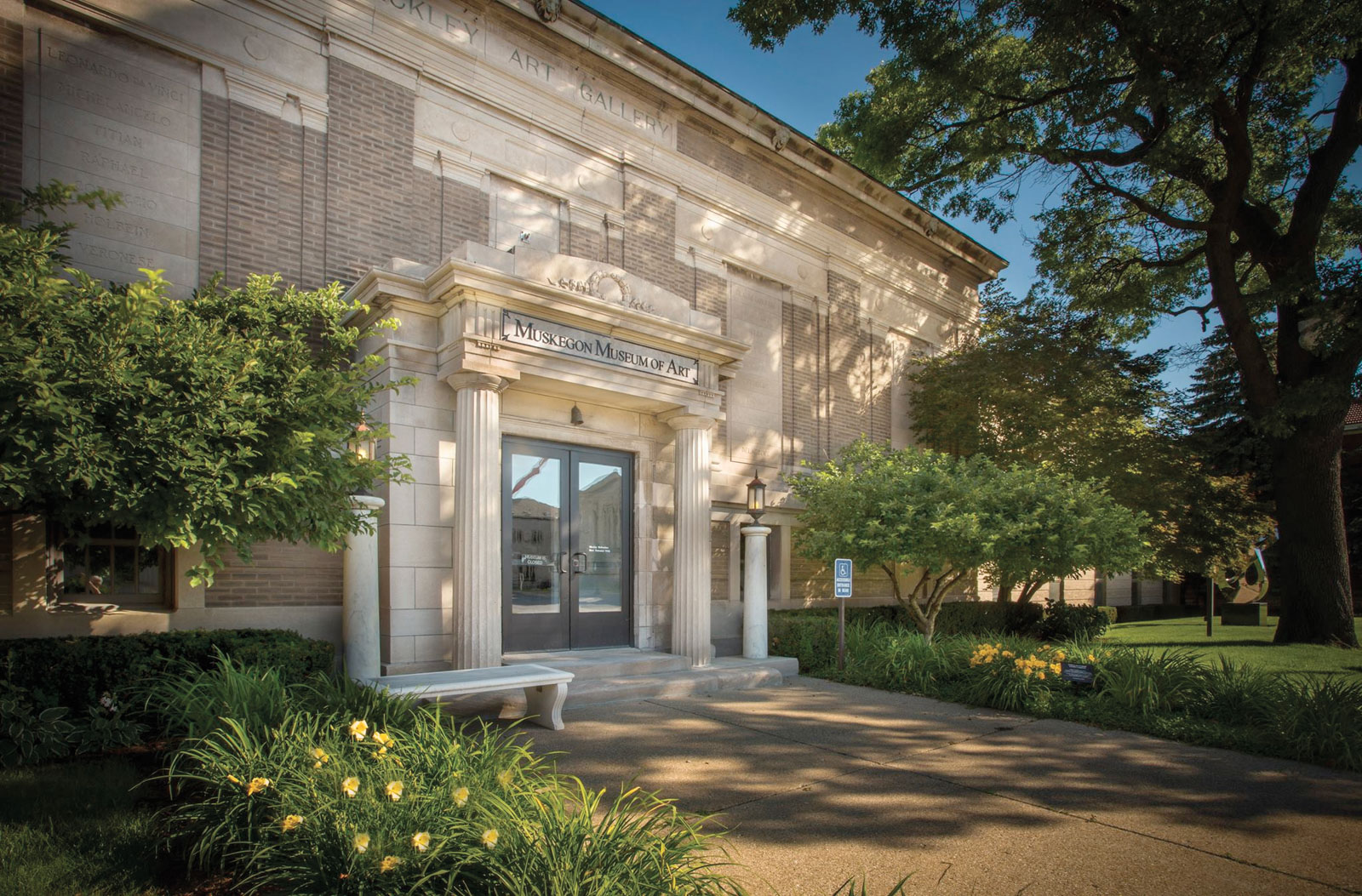 Muskegon Museum of Art, Muskegon, Michigan.
Alongside the expansion opening in early 2025, the Muskegon Museum of Art will be premiering a new collection of historical and contemporary women artists, such as Artemisia Gentileschi, Mary Cassatt, Andrea Kowch, Agnes Martin and many more, donated by art collectors Steven Alan Bennett and Dr. Elaine Melotti Schmidt.
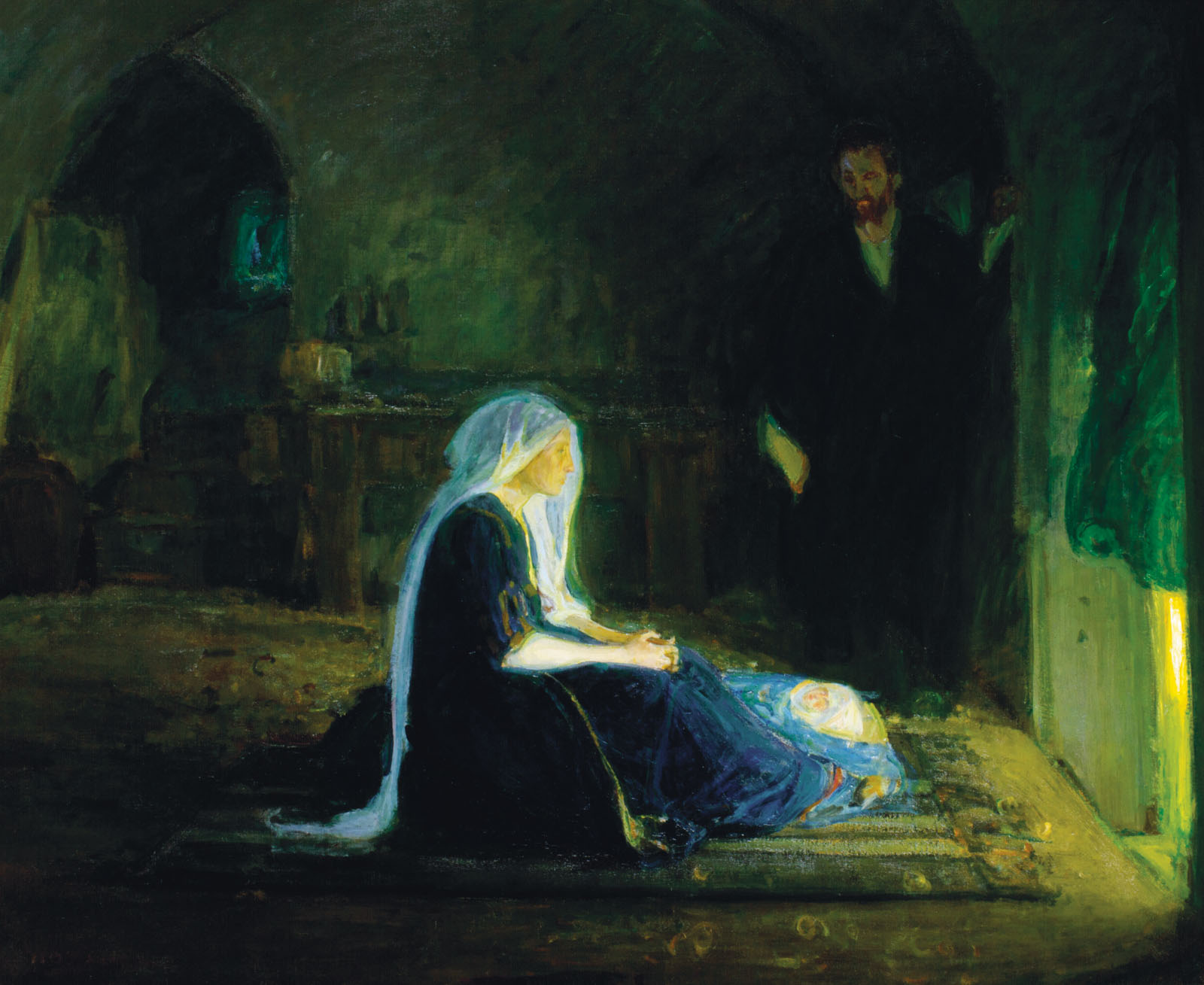 Muskegon Museum of Art, The Holy Family. Oil on canvas, by Henry Ossawa Tanner (1859-1937). Hackley Picture Fund Purchase Muskegon Museum of Art, 1911.1.
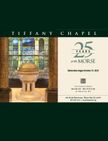
The Charles Hosmer Morse Museum of American Art is home to the world’s most comprehensive collection of works by Louis Comfort Tiffany (1848–1933), including the chapel interior he designed for the 1893 World’s Columbian Exposition in Chicago, and art and architectural elements from his Long Island, New York, estate, Laurelton Hall. The Morse Museum’s holdings also include American art pottery, late 19th- and early 20th-century American paintings, graphics and history of design objects.
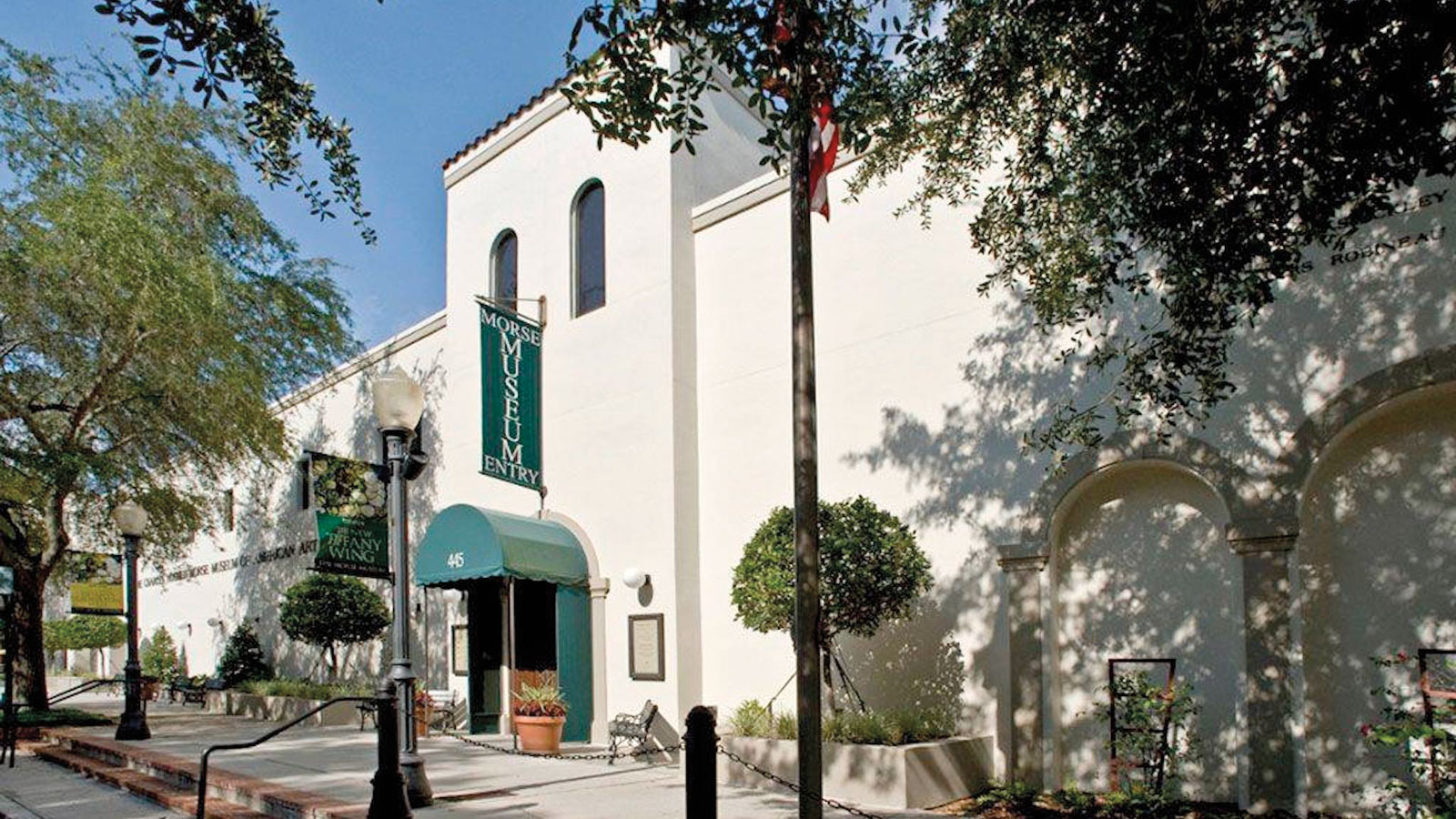 Charles Hosmer Morse Museum of American Art, Winter Park, Florida.
View of Oyster Bay is a beloved example of Tiffany’s artistry in leaded glass. Originally commissioned for the Manhattan home of silk magnate William C. Skinner (1855-1922), the window offers a view remarkably similar to the North Shore of Long Island where
Tiffany built his country estate, Laurelton Hall. In 1978, Morse Museum founders Jeannette
 Charles Hosmer Morse Museum of American Art, View of Oyster Bay, ca. 1908. Leaded glass, 72¾ x 66½ in. Home of William C. Skinner, New York; Tiffany Studios, New York City, 1902-32.
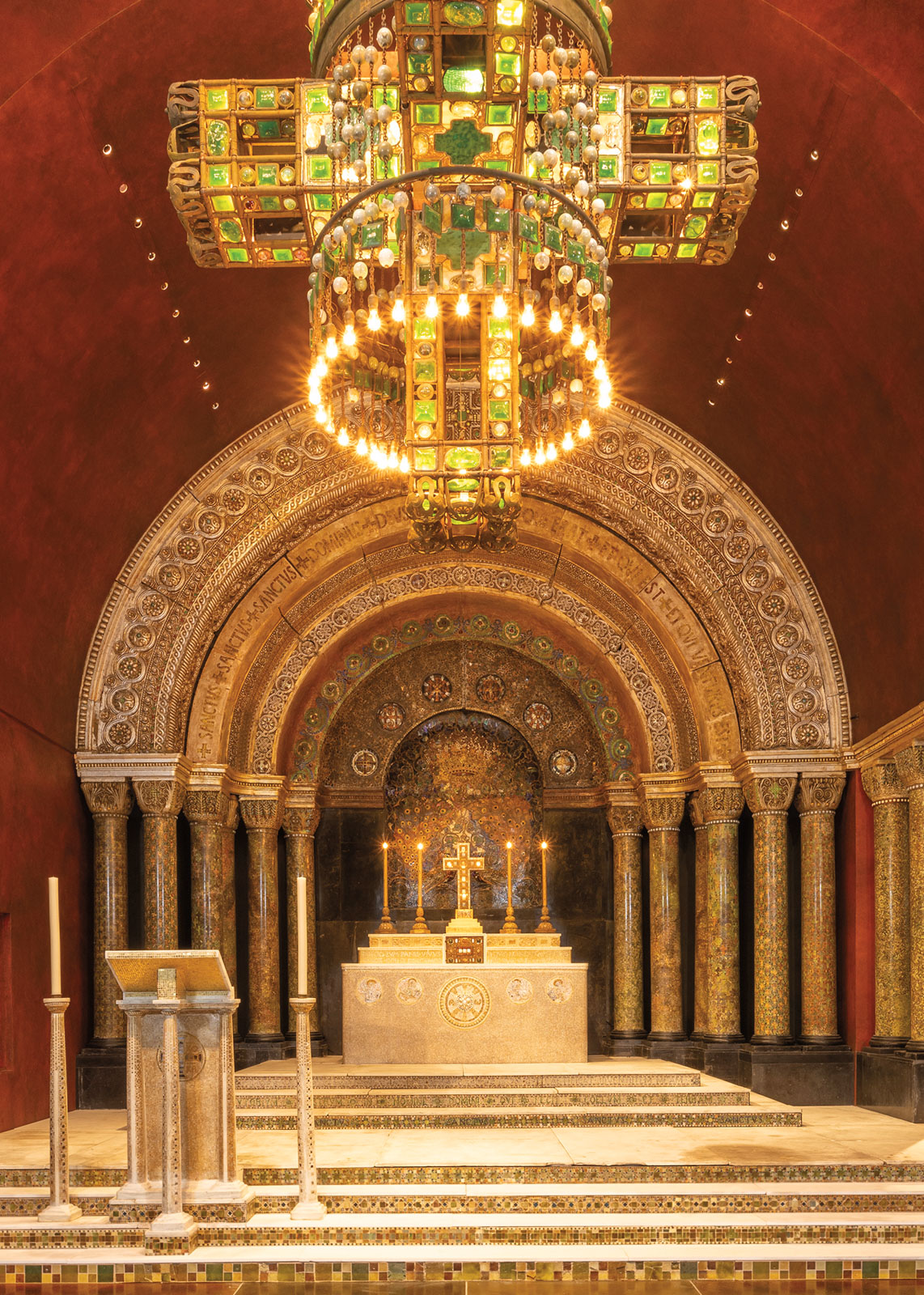 Charles Hosmer Morse Museum of American Art, Tiffany Chapel, ca. 1893. Laurelton Hall, Long Island, New York, 1902-1957; Tiffany Glass and Decorating Company, New York City, 1892-1902. The Charles Hosmer Morse Museum of American Art.
Genius and Hugh F. McKean loaned View of Oyster Bay to The Metropolitan Museum of Art in New York City. For decades, The Met’s visitors have enjoyed the window in the American Wing’s Engelhard Court. This season, while The Met reinstalls the Court, the Morse’s visitors will have an opportunity to see the window in Revival & Reform: Eclecticism in the Nineteenth-Century Environment from October 15, 2024, into summer 2025.
Featured Museums
The Charles Hosmer Morse Museum of American Art
445 N. Park Avenue,
Winter Park, FL 32789
(407) 645-5311 www.morsemuseum.org
The Met
1000 5th Avenue
New York, NY 10028
(212) 535-7710 www.metmuseum.org
Mint Museum
Mint Museum Uptown at Levine Center for the Arts
500 S. Tryon Street, Charlotte, NC 28202
Mint Museum Randolph
2730 Randolph Road,
Charlotte, NC 28207
(704) 337-2000 www.mintmuseum.org
Muskegon Museum of Art
296 W. Webster Avenue
Muskegon, MI 49440
(231) 270-2570, www.muskegonartmuseum.org
Yale University Art Gallery
1111 Chapel Street
New Haven, CT 06510
(203) 432-0600 artgallery.yale.edu
Powered by Froala Editor