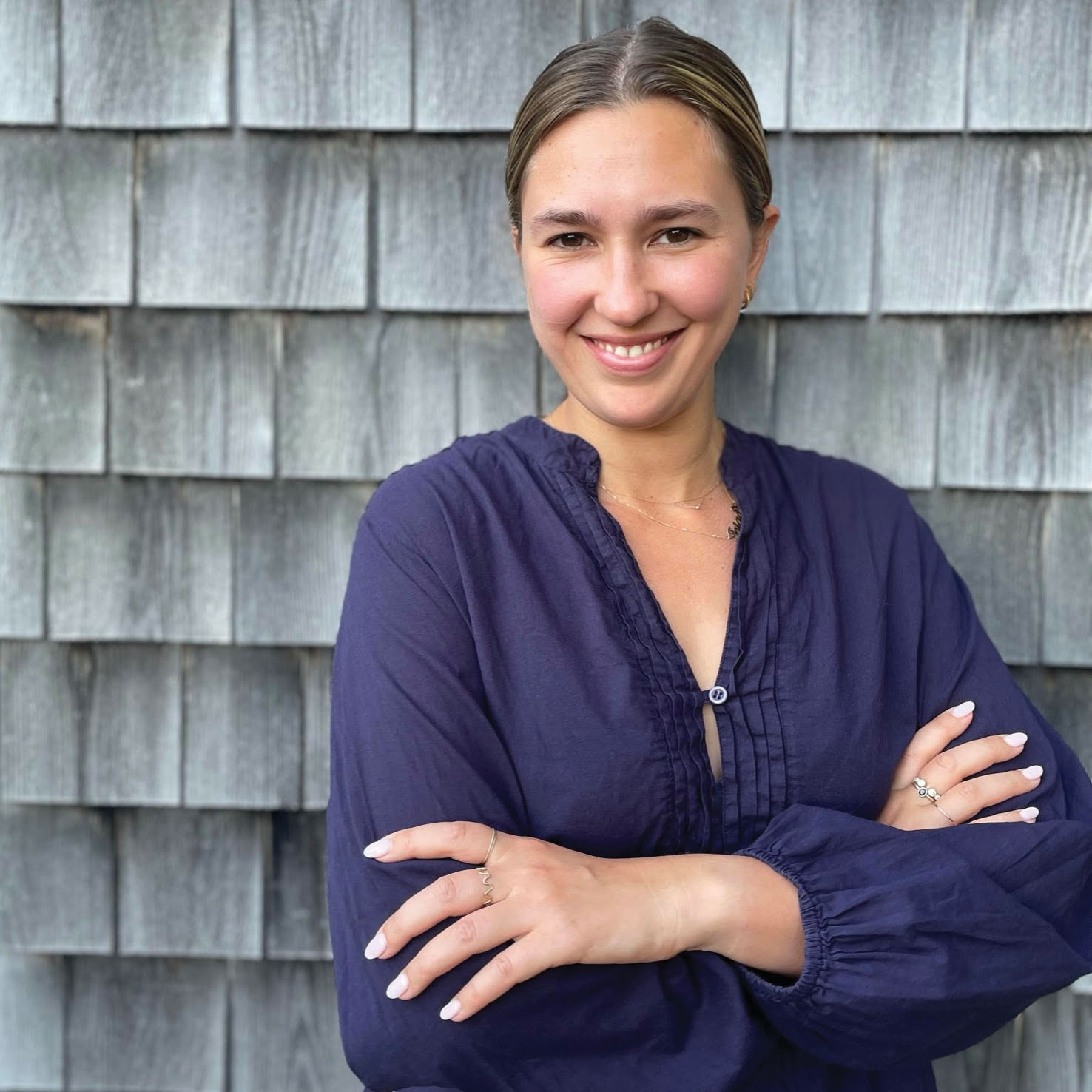
Francesca Soriano
Associate Curator of American Art
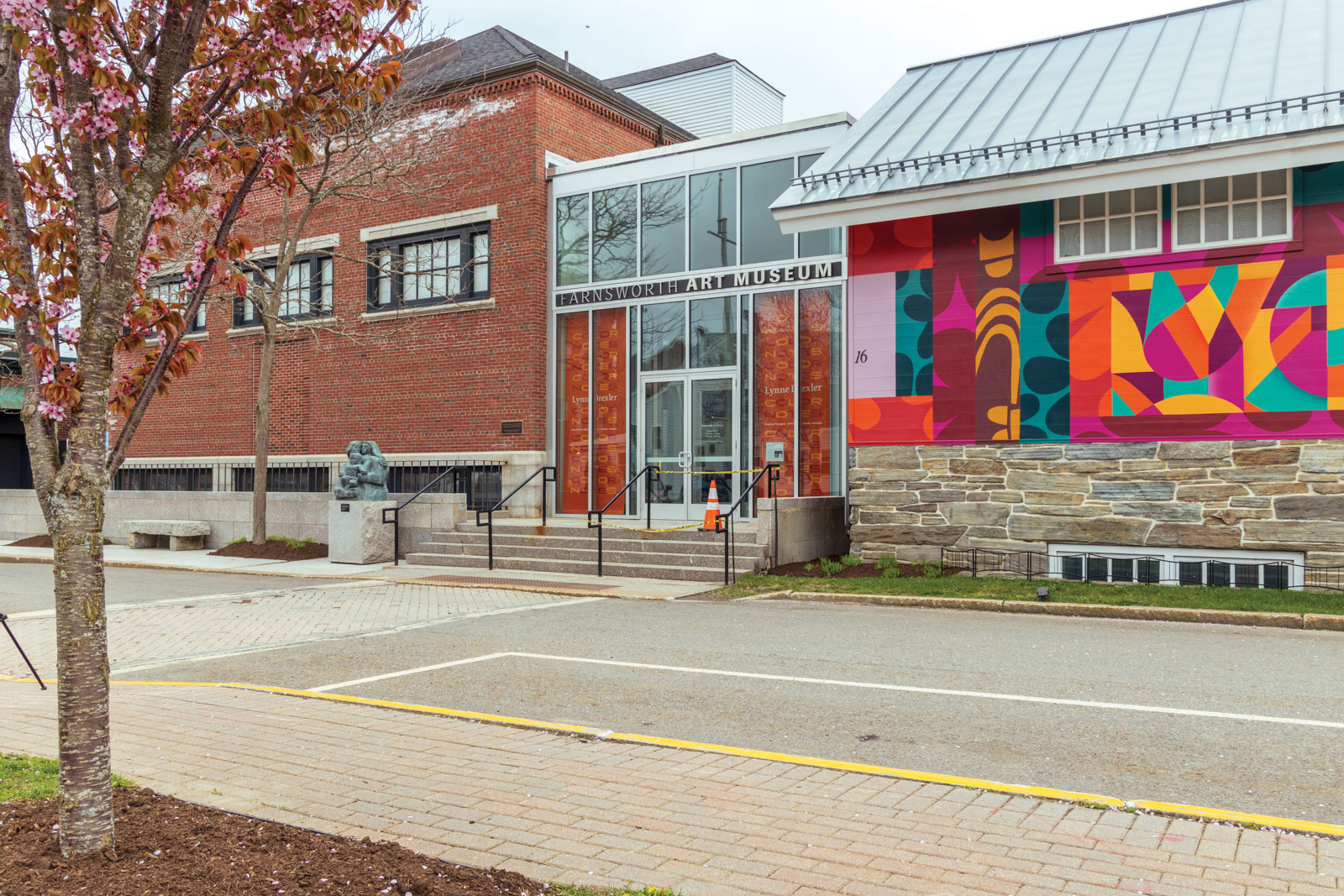
Farnsworth Art Museum
16 Museum Street, Rockland, ME 04841 www.farnsworthmuseum.org
What event (gallery show, museum exhibit, etc.) in the next few months are you looking forward to, and why?
The Farnsworth will be the third venue to host the momentous exhibition Native Prospects: Indigeneity and Landscape, curated by Scott Manning Stevens/Karoniaktatsie (Akwesasne Mohawk). Native Prospects presents 19th-century paintings by Thomas Cole in conversation with Indigenous works of historic and cultural value, and artworks by contemporary Indigenous artists. It’s also an exciting opportunity for the Farnsworth to collaborate with curatorial advisors Gretchen Faulkner, Hudson Museum executive director; James Francis, Penobscot Nation’s director of cultural and historic preservation, tribal historian and chair of Penobscot Tribal Rights; and Donald Soctomah, tribal historical preservation officer for the Passamaquoddy tribe, to examine the Farnsworth’s significant holdings of 18th to early 20th-century Maine landscape paintings through a contemporary Indigenous perspective.
What are you reading?
I just finished two good, but very different books. The first, Sandwich by Catherine Newman: a moving and amusing story that follows a family’s week-long vacation and the secrets that get unearthed over the course of it. The second, Also a Poet by Ada Calhoun: an honest memoir exploring the author’s relationship to her father, art critic Peter Schjedahl, as well as their shared interest in the poet Frank O’Hara. Up next from my bookshelf is The Glassmaker by Tracy Chevalier.
Interesting exhibit, gallery opening or work of art you’ve seen recently.
I’m still thinking about Making Her Mark: A History of Women Artists in Europe, 1400-1800 at the Baltimore Museum of Art. What I found most compelling about the exhibition was the variety of media. Artworks ranged from more traditional high art categories like painting, works on paper and sculpture, to those often labeled as craft, such as embroidery, papercutting and lacemaking. The incredible extent of objects made such a rich visual experience. Making Her Mark I think succeeded in not only addressing gender inequalities in European art history but in dismantling artistic hierarchies as well.
What are you researching at the moment?
I’m in the early stages of researching 19th- and early 20th-century women artists who captured native Maine flora and landscapes. This project draws primarily from the Farnsworth’s permanent collection with the goal of shedding light on some lesser-known Maine artists. I’m interested in how, as women, these artists navigated a world of more limited artistic opportunities and worked within or challenged those boundaries. My research also revolves around the genres they worked in still life, botanical illustration and landscape painting—to think about how they honed their artistic skills and contributed to an image of Maine in American art.
What is your dream exhibit to curate? Or see someone else curate?
I would love to curate an exhibit that explores the still life genre and the senses, asking how artists enticed viewers to look, but also to smell, taste, touch and listen. This exhibition could examine how specific iconography, such as musical instruments, ripe fruit, tobacco, for example, might have elicited certain sensorial responses. Artworks in the exhibit might begin with 19th-century still life painting but also include silver serving utensils, snuff boxes and other dining related decorative arts. I think it would also be interesting to put 19th-century artworks in conversation with contemporary artists who incorporate the sensory elements in their artistic practice.
Powered by Froala Editor