With the Princeton University Art Museum closed during new construction, the Speed Art Museum in Louisville, Kentucky, is the last of only three museums to showcase more than 100 works of American art from the university’s collection.
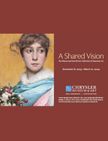
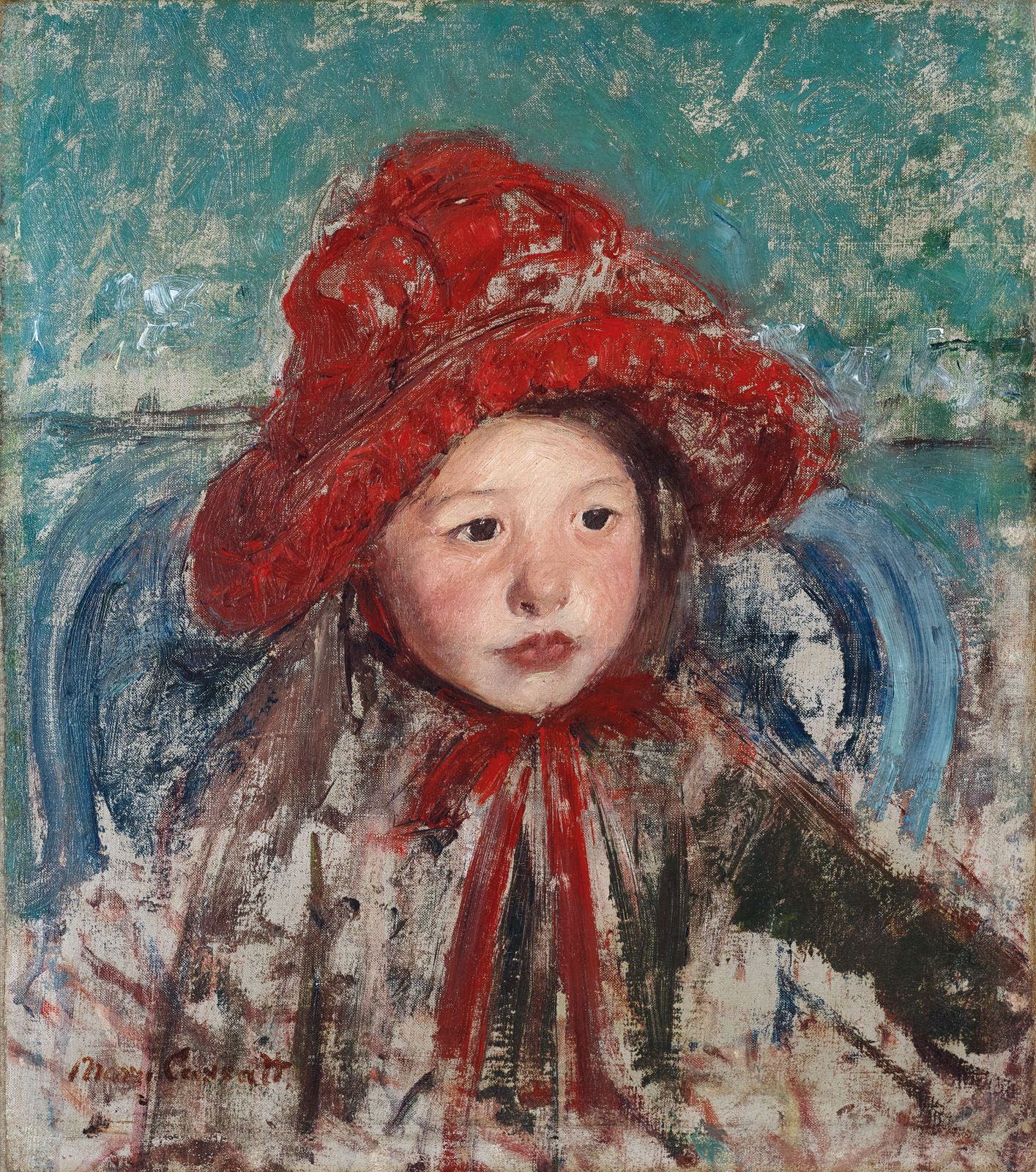 Mary Cassatt (1844-1926), Little Girl in a Large Red Hat, ca.1881. Oil on canvas, 17¼ x 15¼ in. Princeton University Museum. Museum purchase, Fowler McCormick, Class of 1921, Fund (2021-12).
Stories Retold, which spans four centuries of Euro-American, African American and Native American art will be on display at the Speed through January 7, 2024, after which it will be installed in the Princeton Art Museum’s new galleries, set to reopen to the public in the spring of 2025.
Organized by Karl Kusserow, the Princeton University Art Museum’s John Wilmerding Curator of American Art, the exhibition focuses on three areas of critical inquiry and topical relevance: race, gender and the environment. The works of art have been organized into 30 separate groups designed to pair artworks—often from different cultures and eras—in new ways that are both thoughtful, provocative and unexpected.
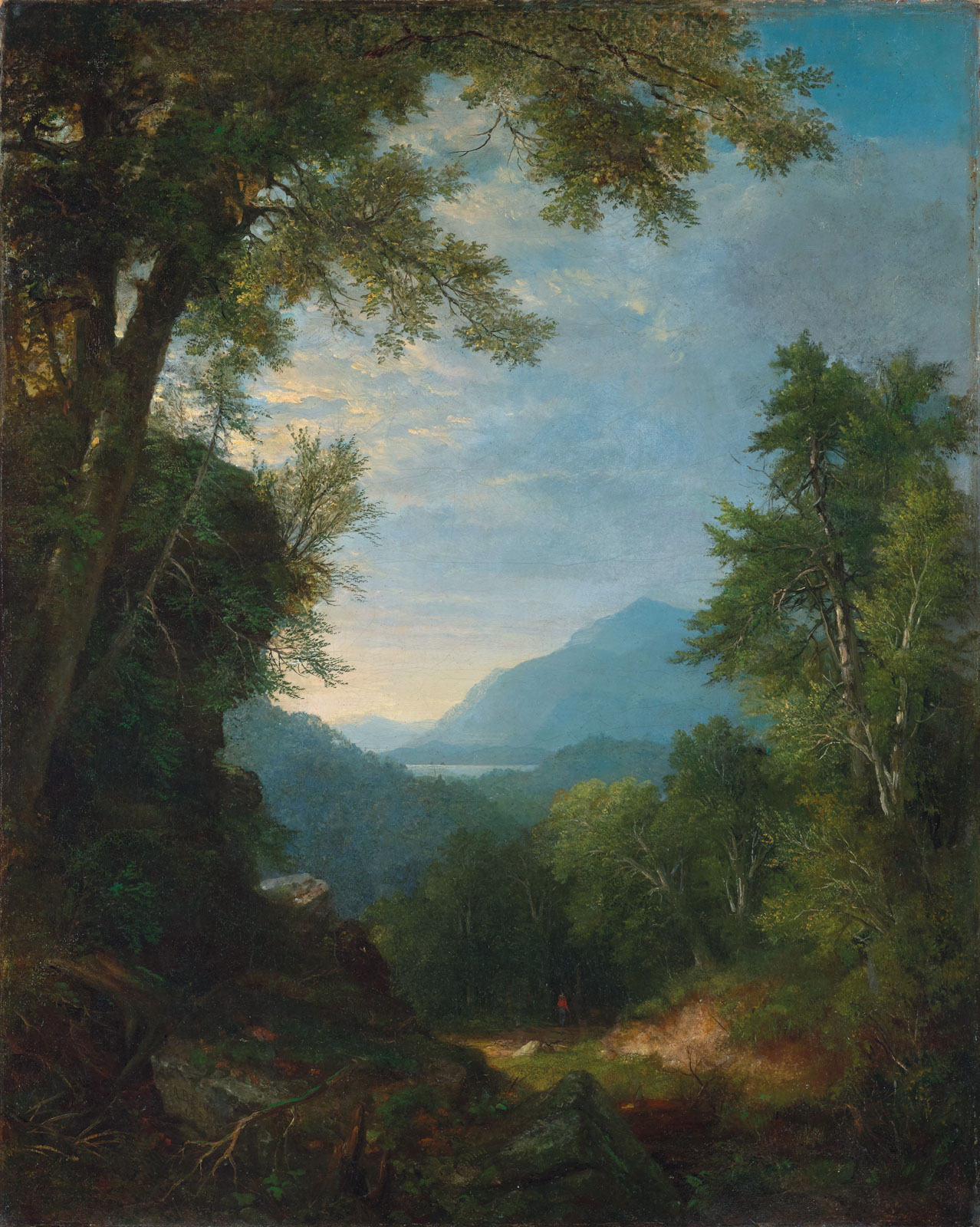 Asher Brown Durand (1796-1886), Landscape, 1859. Oil on canvas, 301⁄3 x 24¼ in. Princeton University Art Museum. Gift of J.O. MacIntosh, Class of 1902 (y1955-3249).
The exhibition includes work by the enslaved potter David Drake, whose craft was a bold statement of resistance, and the artist Frederic Remington, who represented the “Wild West” in ways that stereotyped both white settlers and Native Americans, alongside recent works by contemporary artists such as Rande Cook, Renee Cox and Titus Kaphar. One section will feature three iconic portraits of George Washington, including one by Rembrandt Peale that presents the first American president as an idol, together with a photograph by Luke C. Dillon of the ruins of the slave quarters at Washington’s home, Mount Vernon, to remind us of the complexities of the man and his legacy.
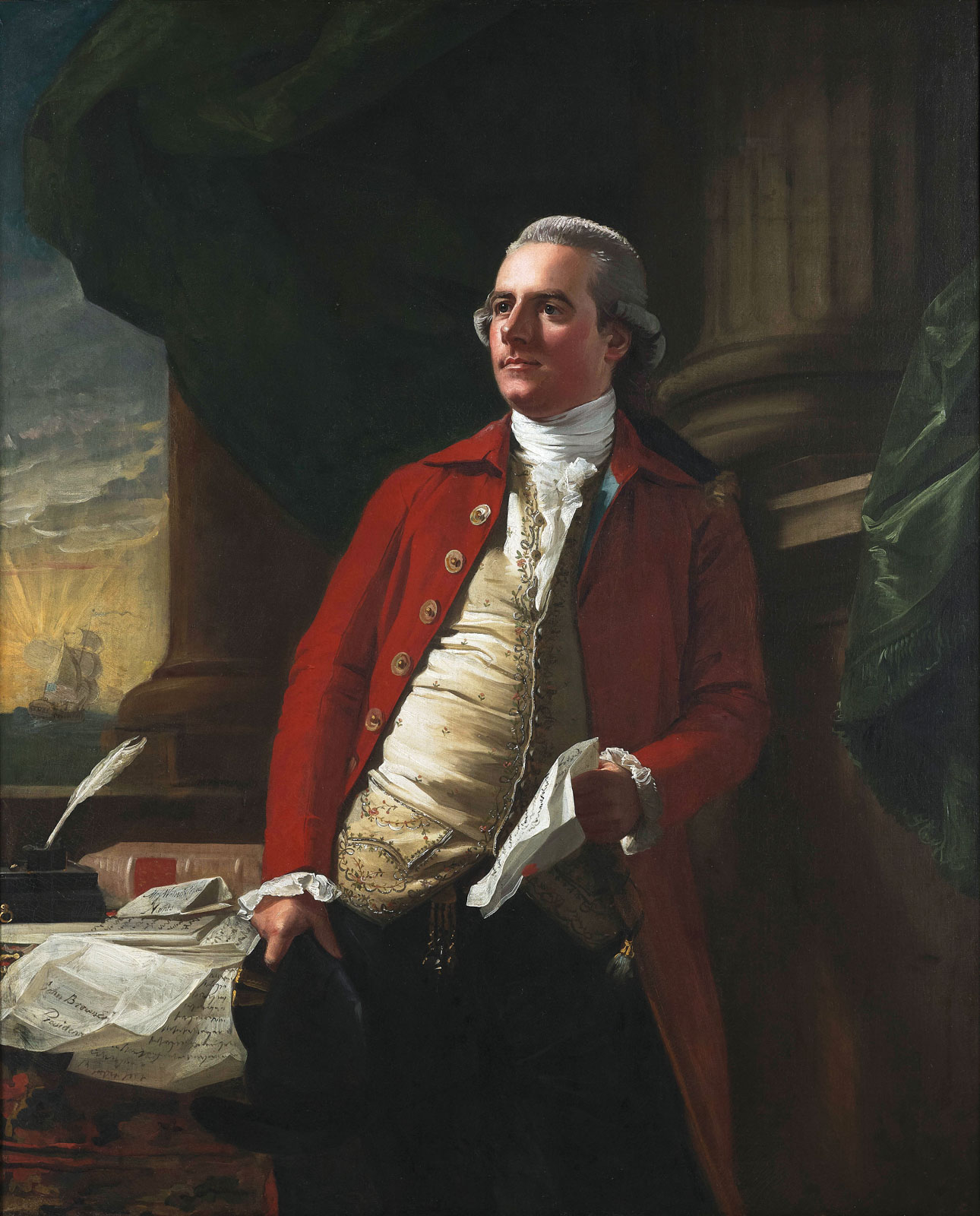 John Singleton Copley (1738-1815), Elkanah Watson, 1782. Oil on canvas; 58¾ x 47¾ in. Princeton University Art Museum. Gift of the estate of Josephine Thomson Swann (y1964-181).
Other represented artists include Mary Cassatt (1844-1926), Asher Brown Durand (1796-1886), John Singleton Copley (1738-1815), Marsden Hartley (1877-1943) and Georgia O’Keeffe.
The rich material in the Princeton University art collection has provided a unique and accessible opportunity to broach cultural and social issues that can often be politically fraught and sensitive. The Speed has been able to pair the exhibition with in-gallery activities and conversation prompts that invite the visitor to consider many of the questions and issues raised by the carefully curated juxtapositions of artworks in ways that encourage personal reflection and the sharing of their own stories.
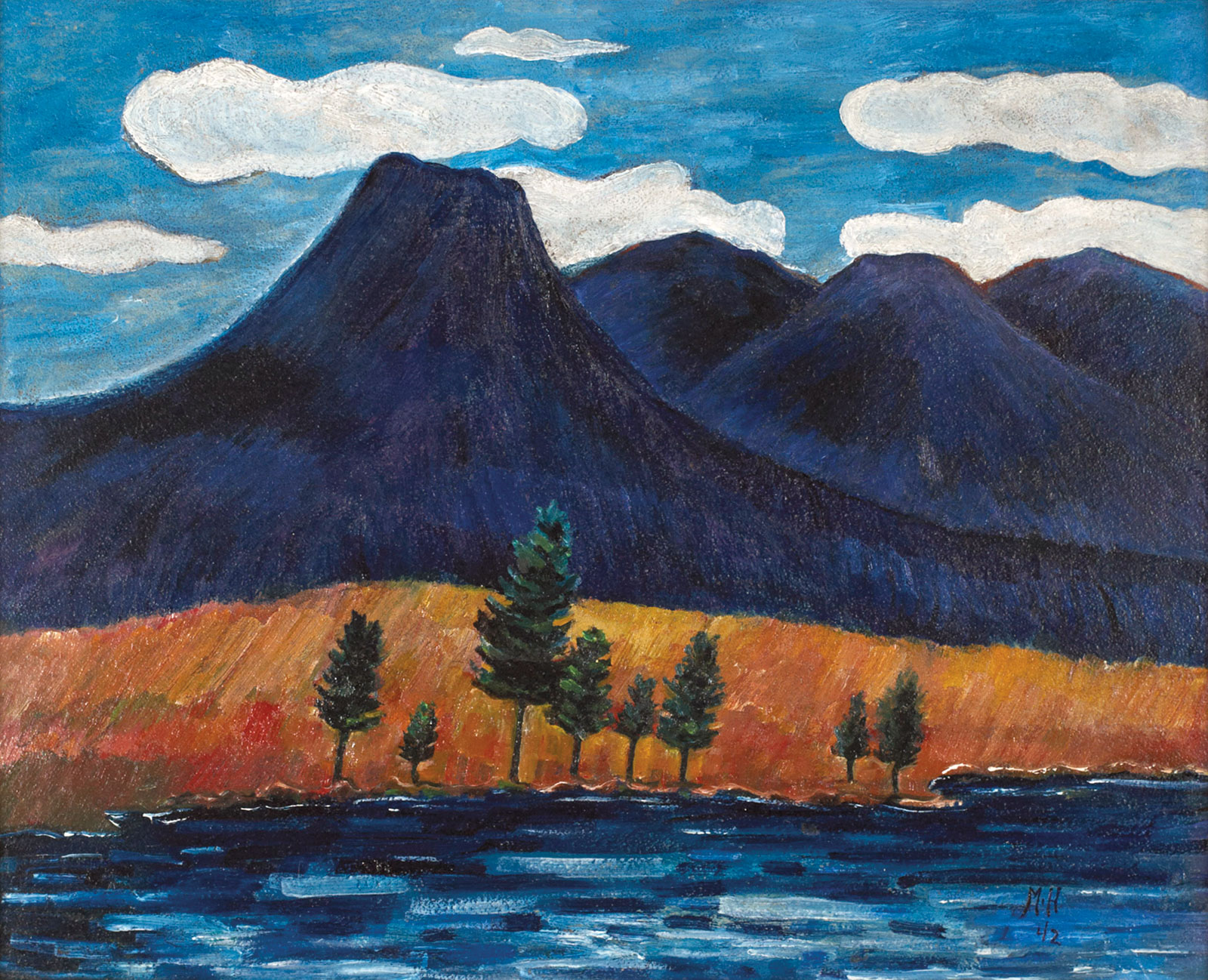 Marsden Hartley (1877-1943), Blue Landscape, 1942. Oil on board; 16 x 20 in. Princeton University Art Museum. Museum purchase, Fowler McCormick, Class of 1921, Fund and Kathleen Compton Sherrerd Fund for Acquisitions in American Art (2015-6679).
“This exhibition was one of the more interesting installation projects I have worked on,” says Erika Holmquist-Wall, chief curator at the Speed. “We were hanging small groups of artworks that were frequently anachronistic or cross-cultural at first glance—these groupings require close looking and an open mind. But we also discovered how the groups themselves spoke to each other. For example, the object lesson ‘Manifest Destiny’ which features Albert Bierstadt’s glorious and giant 19th-century mountain landscape view hangs adjacent to the object lesson ‘Survivance,’ which features Rande Cook’s visually arresting example of contemporary Northwest Coast First Nations art. The entire gallery is opened up to a larger conversation about care for the land.”
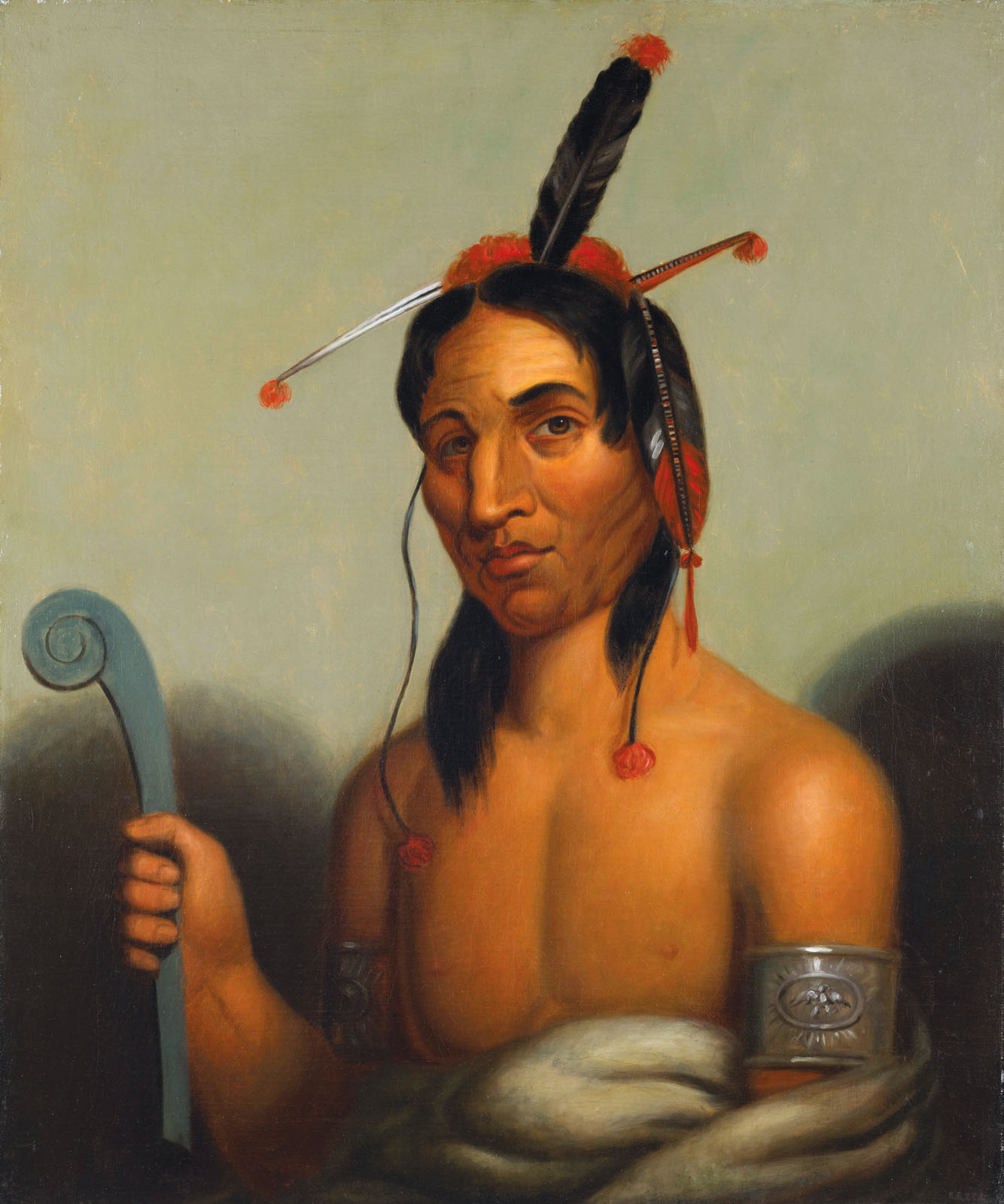 Henry Inman (1801–1846), O-Chee-Na-Shink-Ka a, 1832-33. Oil on canvas; 30½ x 25½ in. Promised gift from a private collection, member of the Class of 1982.
The exhibition is grounded in the understanding that the meanings of art objects change over time, in different contexts, and as a consequence of the way they are considered, even as collections evolve over time to accommodate shifting priorities and viewpoints.
“While this exhibition was an incredible opportunity for the Speed to showcase a broad and diverse collection of American art from a renowned museum collection that is only traveling due to architectural renovations, there was an even more important opportunity to present a fresh and relevant update to the art history lesson as it has traditionally been taught,” says Holmquist-Wall. “Yes, museum curating is about presenting aesthetically beautiful and moving artworks, but we also have to consider the context and times in which these artworks were created, and how their meaning has changed through time. Stories Retold offers new ways to consider historical art through a contemporary lens, engaging audiences through topics that connect to many of the national conversations we’re having around the environment, race and gender.”
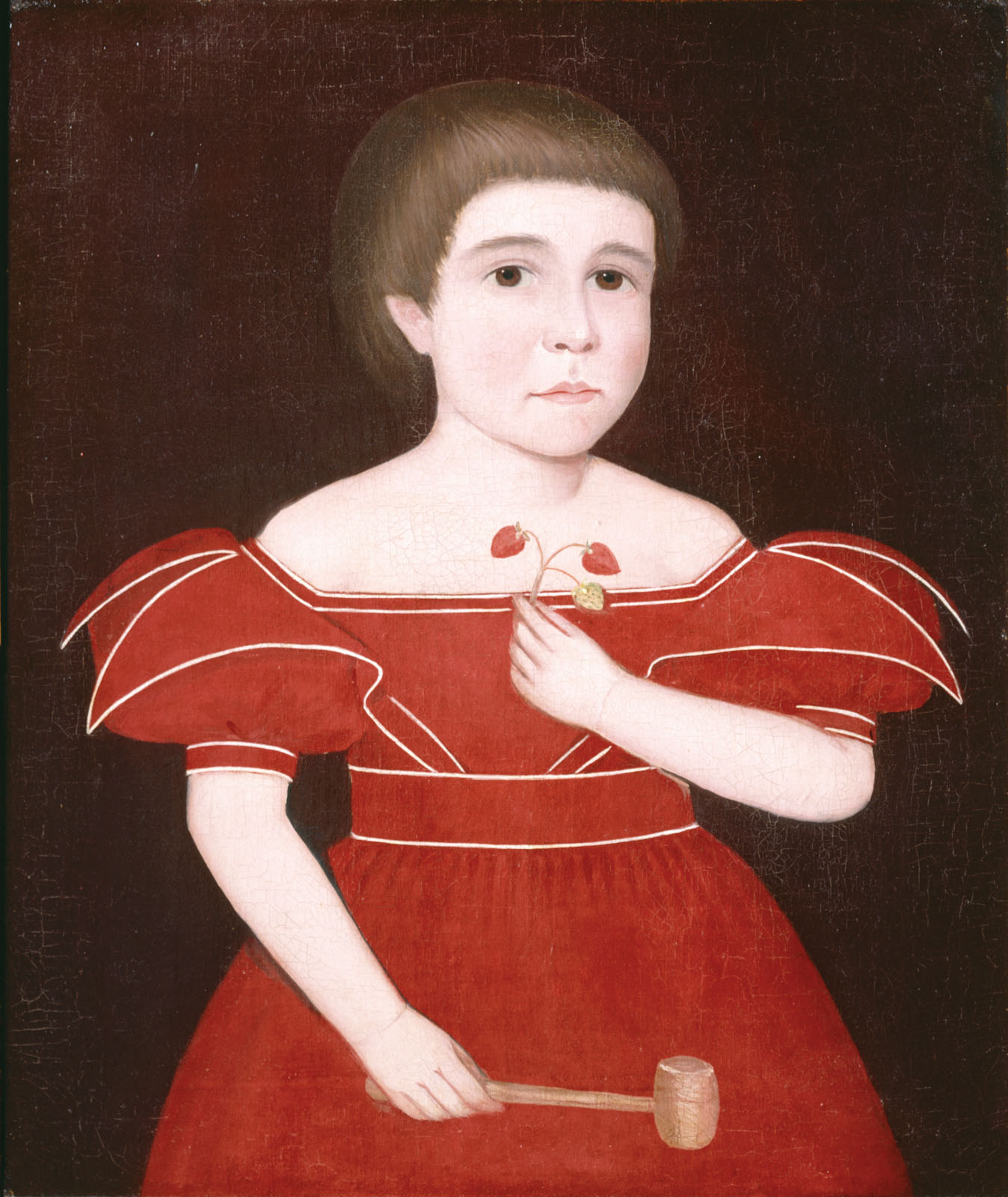 Ammi Phillips (1788-1865), Boy in Red, ca. 1832. Oil on canvas; 23½ x 20 in. Princeton University Art Museum. Gift of Edward Duff Balken, Class of 1897 (y1958-75) Photo Bruce M. White.
Princeton curator Karl Kusserow who selected the works to be featured in Stories Retold, adds, “I hope people will leave the exhibition seeing how the questions we ask about works of art have a large part in determining what we think of them and how our own perspectives can change over time. Revisiting these historical works—often in the context of contemporary works and in light of current concerns and issues—can shed new light on both the past and the present.”
Powered by Froala Editor