Each year, the New York-based organization Initiatives in Arts and Culture travels to a different American city to host an immersive exploration of the region’s significance in the evolution of the Arts and Crafts movement and its unique expression of the aesthetic, and philosophy.
After staging the conference in Cleveland last year, the IAC returns to the Midwest—often overlooked for its contributions to the movement—and zooms in on Detroit and surrounding vicinity.
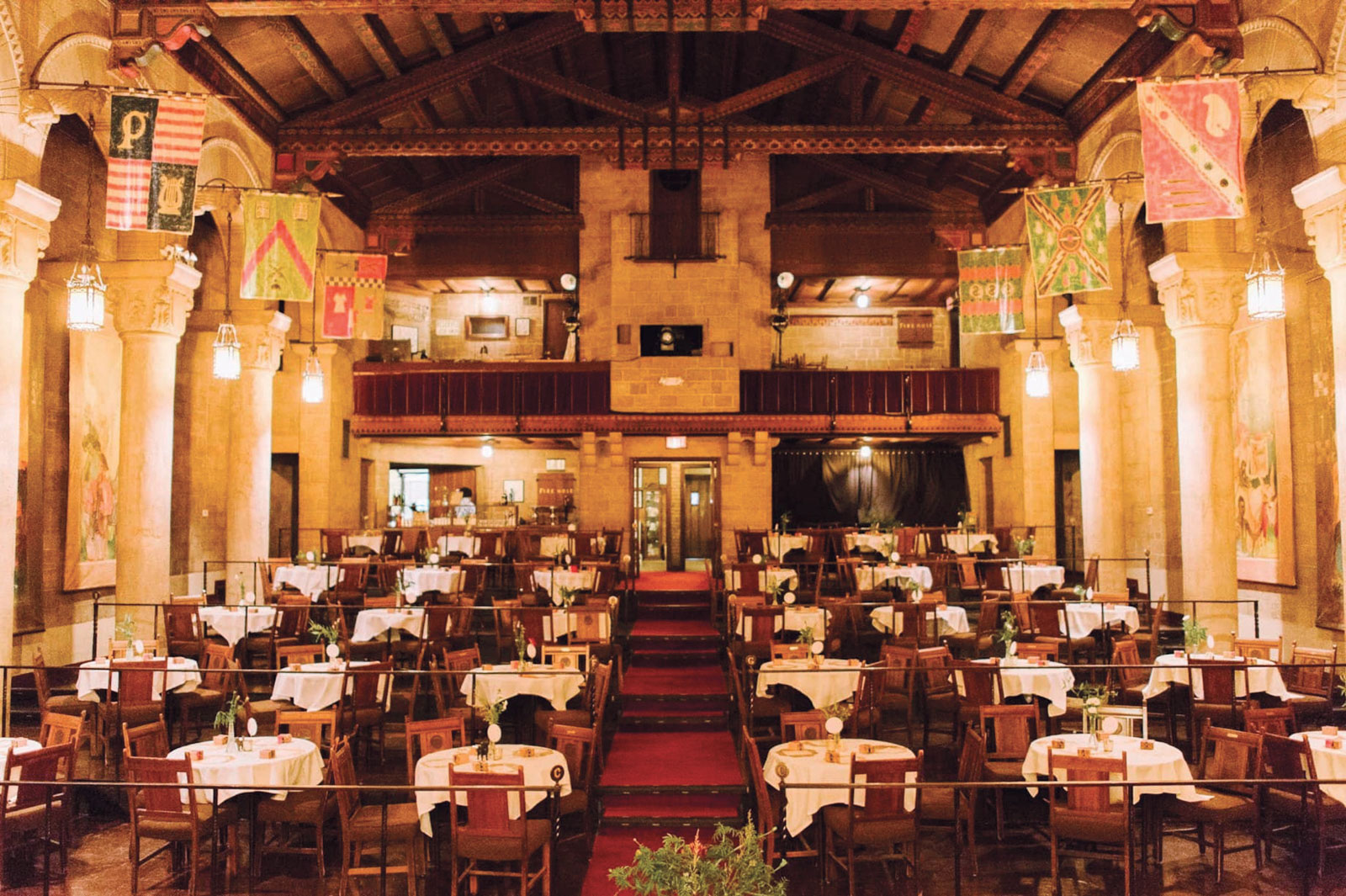 Interior of the theater of the Players Playhouse, designed by William Kapp and constructed in 1925 revealing the exclusive use of cinder block in its construction.
The Arts and Crafts movement emerged in Britain in the mid-19th century with the establishment of a design firm by William Morris. It marked the beginning of a change in the value society placed on how things were made and harkened back to a time before craftspeople were replaced by machines. In part a reaction to industrialization, its roots are philosophical rather than architectural and encompassed many art forms including textiles, furniture and other hand-crafted decorative arts. At the end of the 19th century the movement crossed the Atlantic, starting in Boston and eventually spreading across the country.
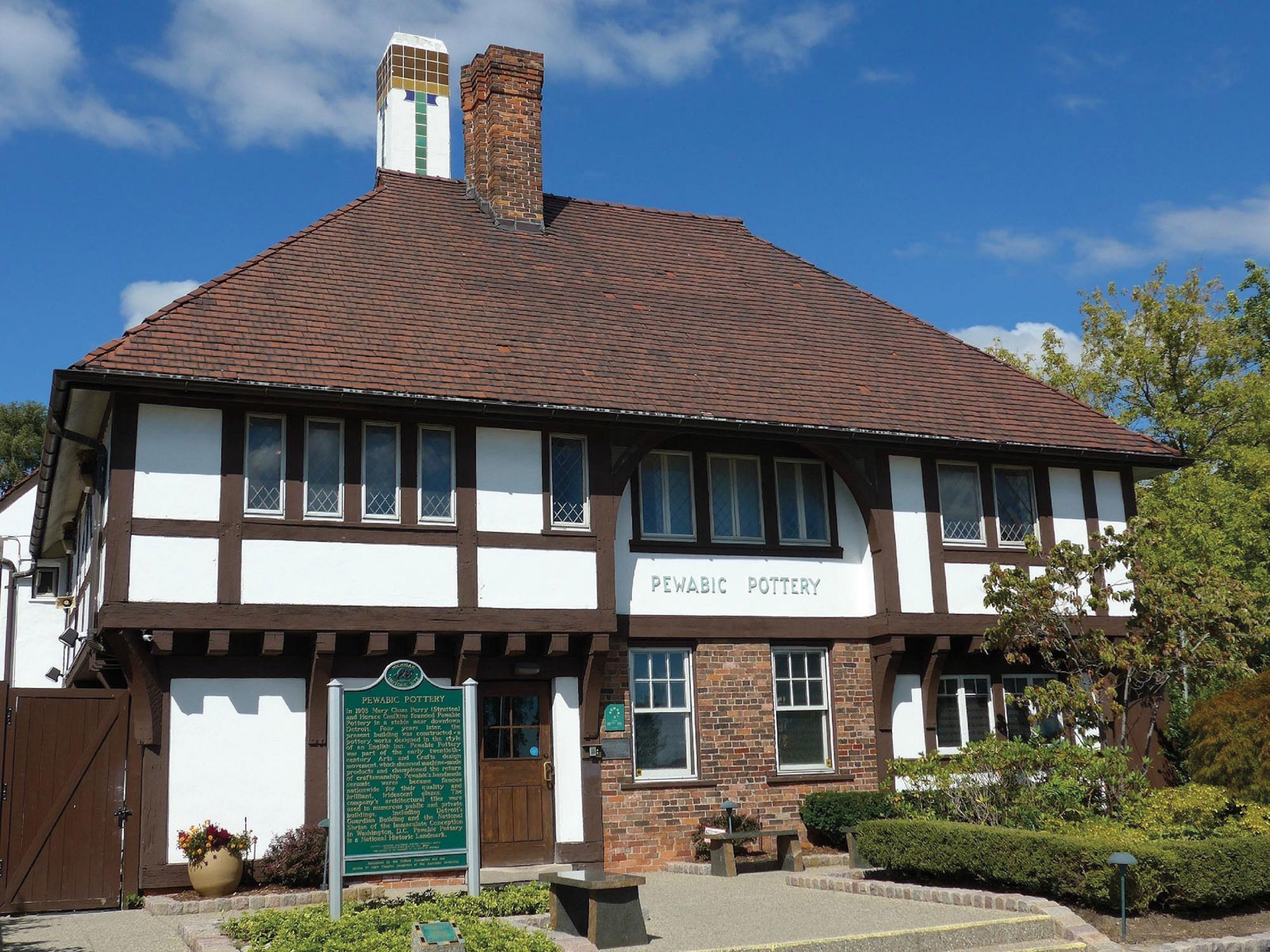 William B. Stratton and Frank W. Baldwin, Pewabic Pottery, 1908; the structure was designed in a Tudor revival style.
“The conditions in Detroit circa 1900 were really optimal because automation and industrialization ushered in a generation of great wealth and it requires economic resources for a movement like this to flourish,” says IAC president and Lisa Koenigsberg. “In order to focus on the handmade, quality materials and an exacting level of craftmanship that requires bringing in artists from other places, the economics are as important as the social conditions that gave rise to the movement. The irony is that it required great wealth to commission these massive structures but the vocabulary they want to use draws on a more modest style of architecture.”
From September 27 through October 1, IAC will take conference attendees to more than 20 sites that were and in many cases, still are, essential to the evolution of the Arts and Crafts movement in and around Detroit. With a focus on art and architecture, the tours and a dozen-plus lectures will be led by leading experts and scholars in the field.
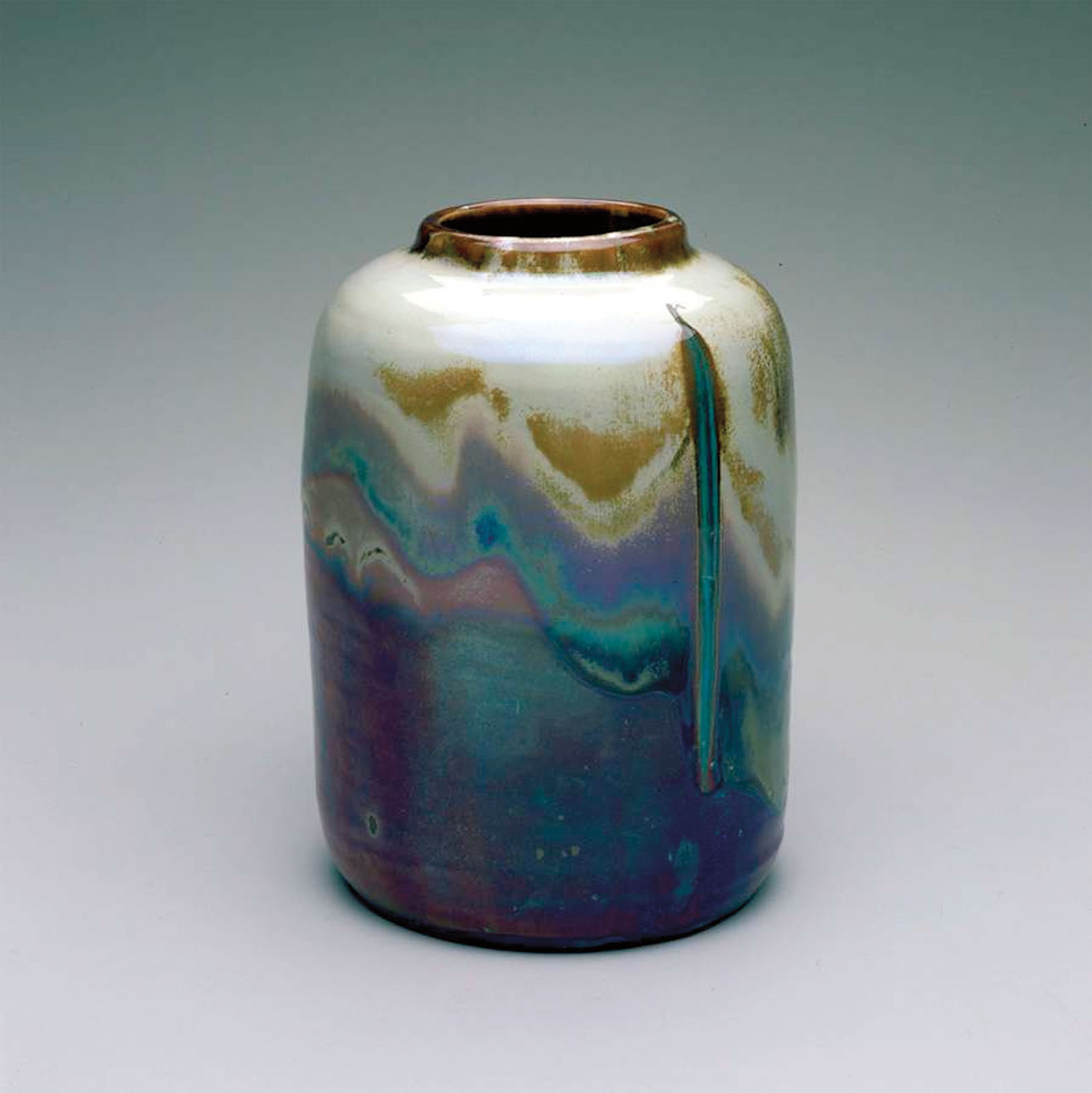 Mary Chase Stratton (1867-1961) for Pewabic Pottery (Maker), Jar, 1932 or earlier. Cast stoneware clay, 9½ x 7 in. Gift of George Gough Booth and Ellen Scripps Booth through The Cranbrook Foundation, CAM 1932.13.
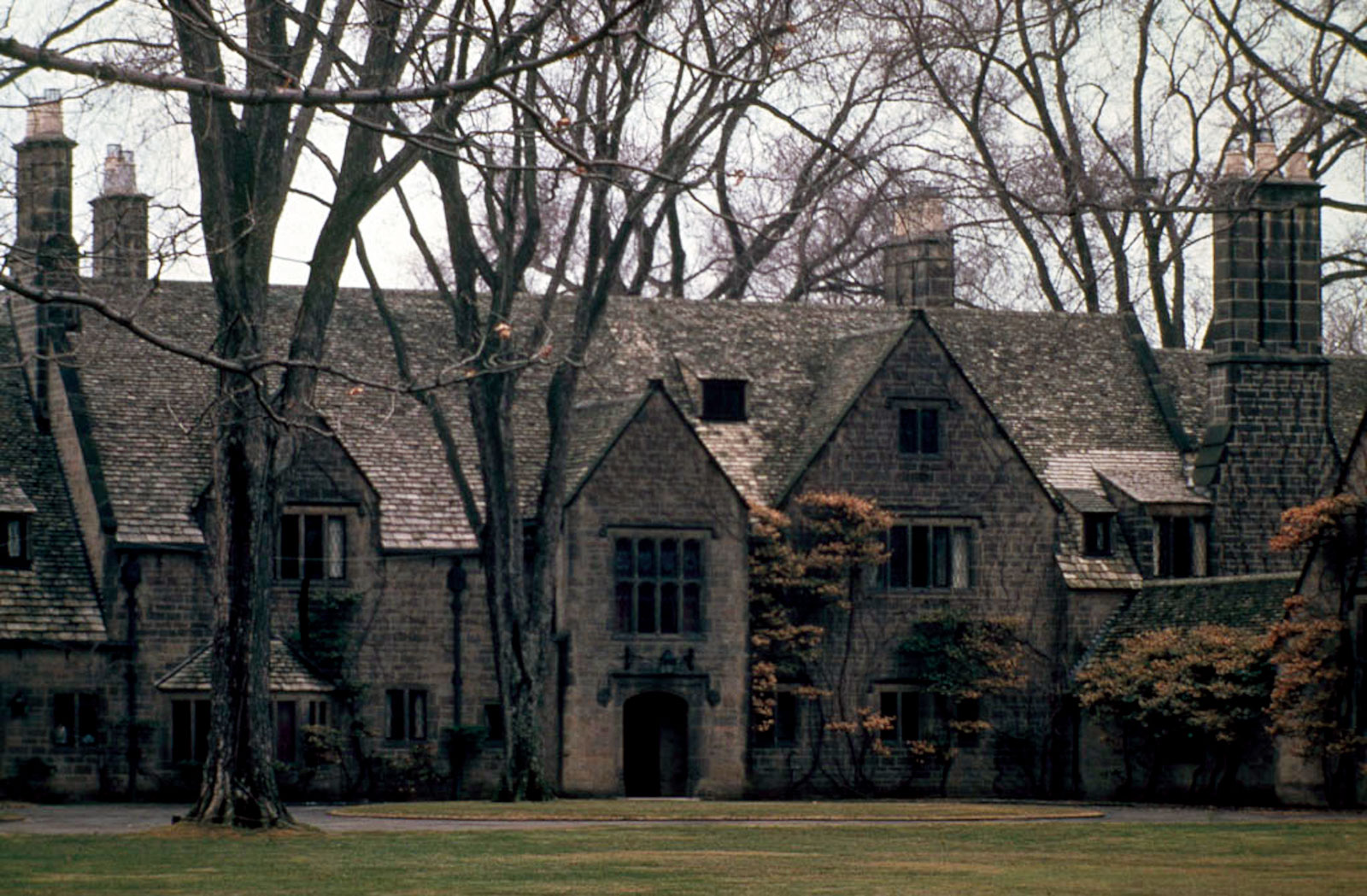 Albert Kahn (1869-1869), Edsel and Eleanor Ford House, 1927.
Institutions to be visited include the Cranbook Educational Community campus, Detroit Athletic Club, the Union Trust and Penobscot buildings, Musical Hall Center for the Performing Arts, the Fox Theatre Detroit, the Monarch Club, David Whitney Museum and the Detroit Institute of Arts. Among Koenigsberg’s personal favorites are the Scarab Club, Ford House, the Guardian building, Pewabic Pottery and the Players, an amateur gentlemen’s theatrical club formed in 1911 that found its permanent home in 1925 with the construction of the Playhouse. Designed by William Kapp in the Florentine Renaissance style and constructed entirely of cinderblock, the building includes a four-story stage with trapdoors, a lobby bar and formal meeting room. Equipped with modern theatrical technology, the club still operates in its original capacity.
Pewabic Pottery is of particular significance to the movement. Founded in 1903 by Mary Chase Perry (Stratton), an artist and educator, and Horace J. Caulkins, a dental supplier and kiln manufacturer. Pewabic became a leader of the Arts & Crafts movement in Detroit during a time that was both a golden age for handcrafted pottery and tile and an industrial boom that accompanied the birth of the automotive industry.
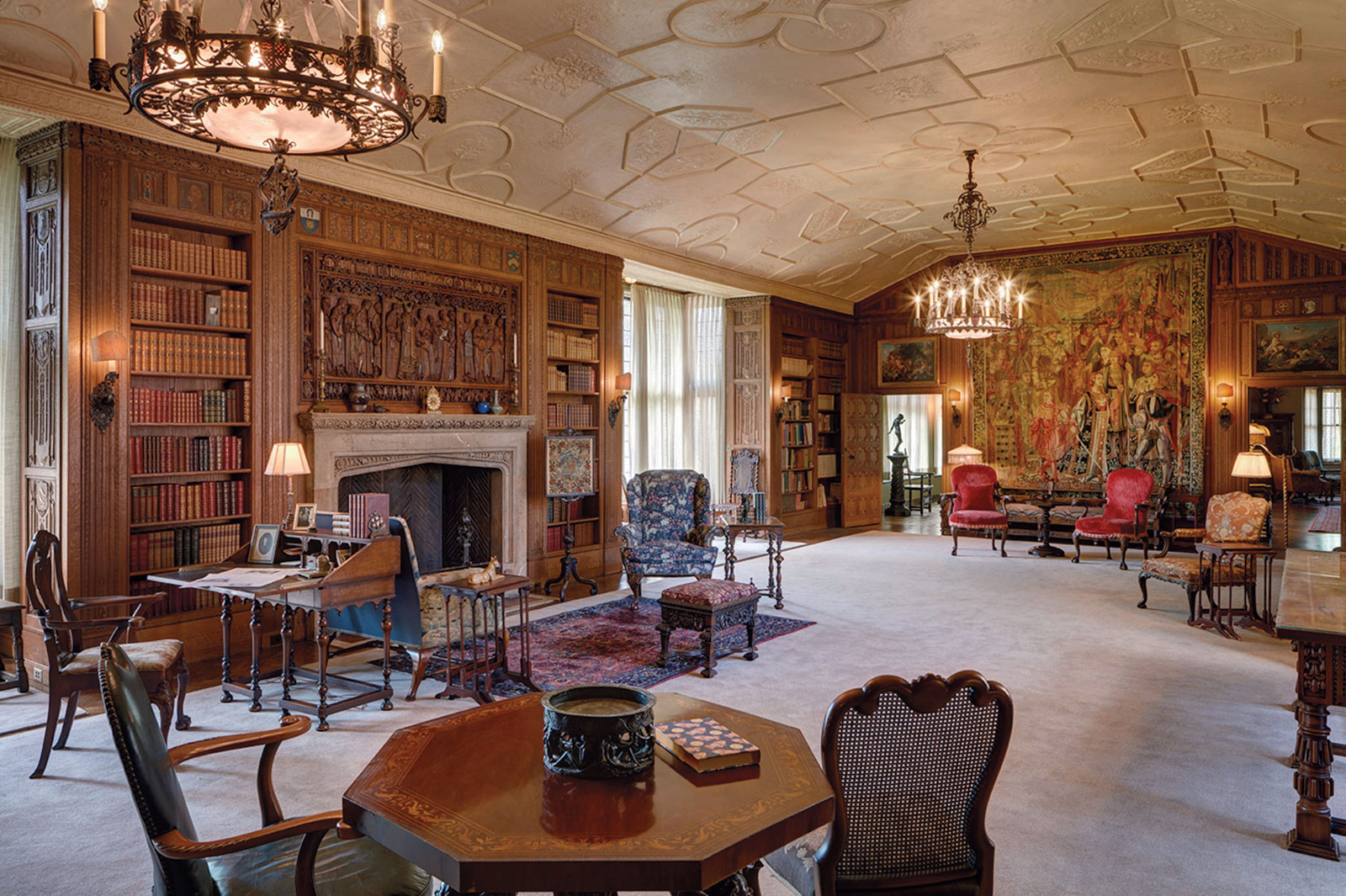 Library in Cranbrook House designed by Albert Kahn and completed in 1908. Featuring a carved wood overmantel, 1918, by Johann (John) Kirchmayer, a cotton, wool and silk tapestry designed by Albert Herter, and lamps and lighting designed by Edward F. Caldwell & Company.
Many architectural sites reveal the influence of Pewabic Pottery—the Scarab Club, designed in the Arts and Crafts style by Lancelot Sukert in 1928 features a Pewabic mosaic above the door that includes the Scarab Club logo. Signing the ceiling beams of the lounge became a ceremonial honor, with signatories including artists John Sloan, Diego Rivera and Marcel Duchamp, among others.
Attendees will also experience “An Unforgettable Afternoon at Ford House.” In conceiving the house in 1928, architect Albert Kahn took inspiration from the English Cotswold-style cottages. In the 1930s, however, Edsel Ford brought in Walter Dorwin Teague to redecorate in a sleek, Machine-Age aesthetic. In the 1950s after Edsel’s death, his wife Eleanor hired interior decorator Polly Jessup to design spaces that would reflect her personal taste and highlight her collection of antique furniture and fine art, including works by Van Gogh and Diego Rivera. Other topics to be explored include cultural life in Detroit at the turn of the century, the importance of the Detroit Society of Arts and Crafts’ founding in 1917, George Booth’s founding of Cranbrook Educational Community, women who played major roles in the expression of the movement in Detroit, and the relationship between Detroit architects and those whose national footprints created a network between the cities in which they worked.
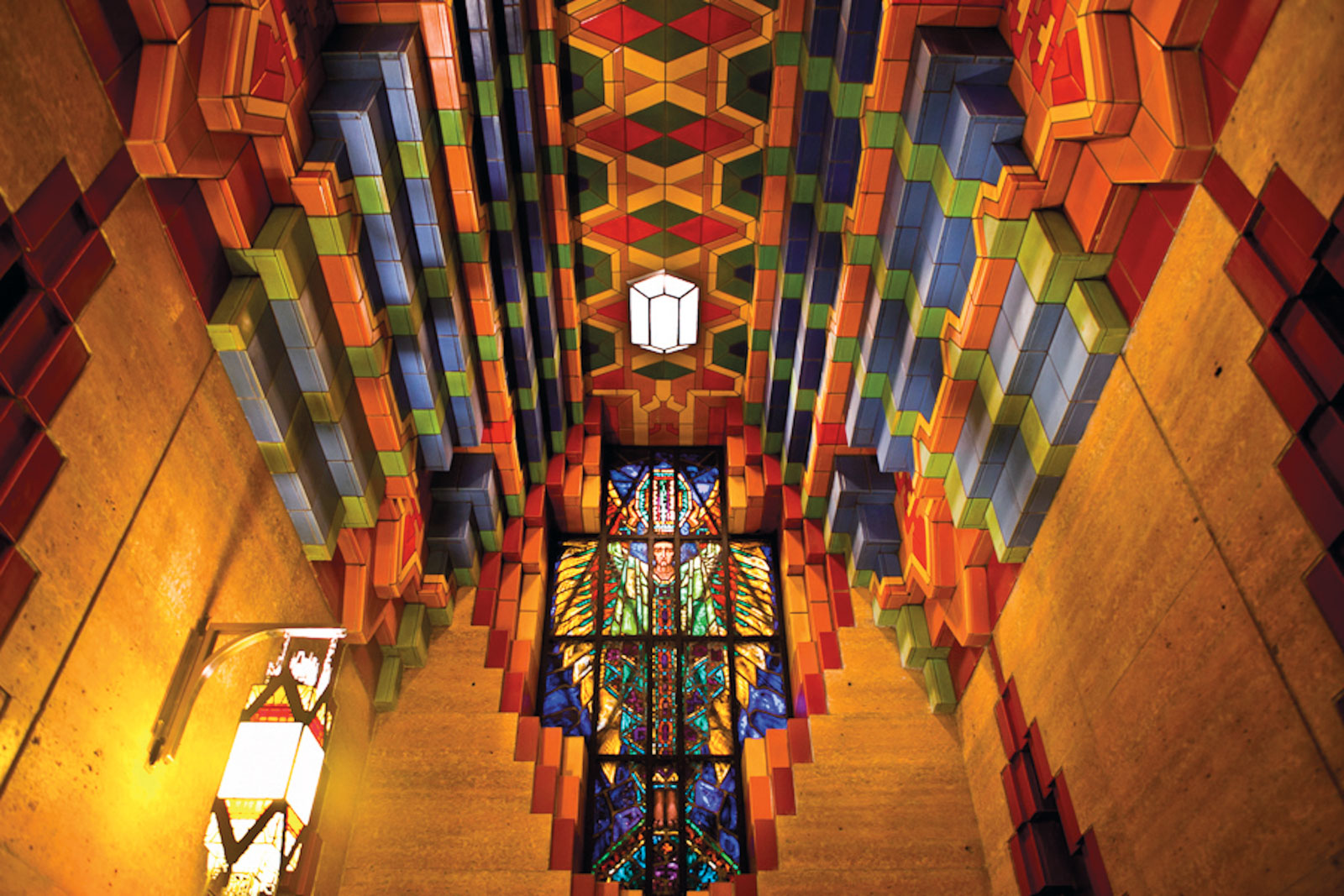 Smith, Hinchman and Grylls, head designer Wirt C. Rowland, the Guardian Building (formerly, Union Trust Building), built in 1928 and finished in 1929. This photo depicts lobby ceiling with Rookwood tiles.
Koenigsberg says, “We are committed to looking at the Arts and Crafts movement as a philosophy with an aesthetic and social component and to considering a particular location within a national and international network and the relationship of architecture to objects. The conference is utterly unique because it includes tours of an extensive number of sites and and provides access to collections and context often not available to the public.”
Powered by Froala Editor