In a forthcoming exhibition at Los Angeles-based gallery CW American Modernism, historic art enthusiasts will be able to explore the remarkable and prolific Collection of Leota and Edward Beatty Rowan. An important and innovative thought leader within the American art scene during the Great Depression, Edward Beatty Rowan was an artist, teacher, writer, lecturer, critic and gallerist, who helped define the American art aesthetic of the early to mid-20th century.
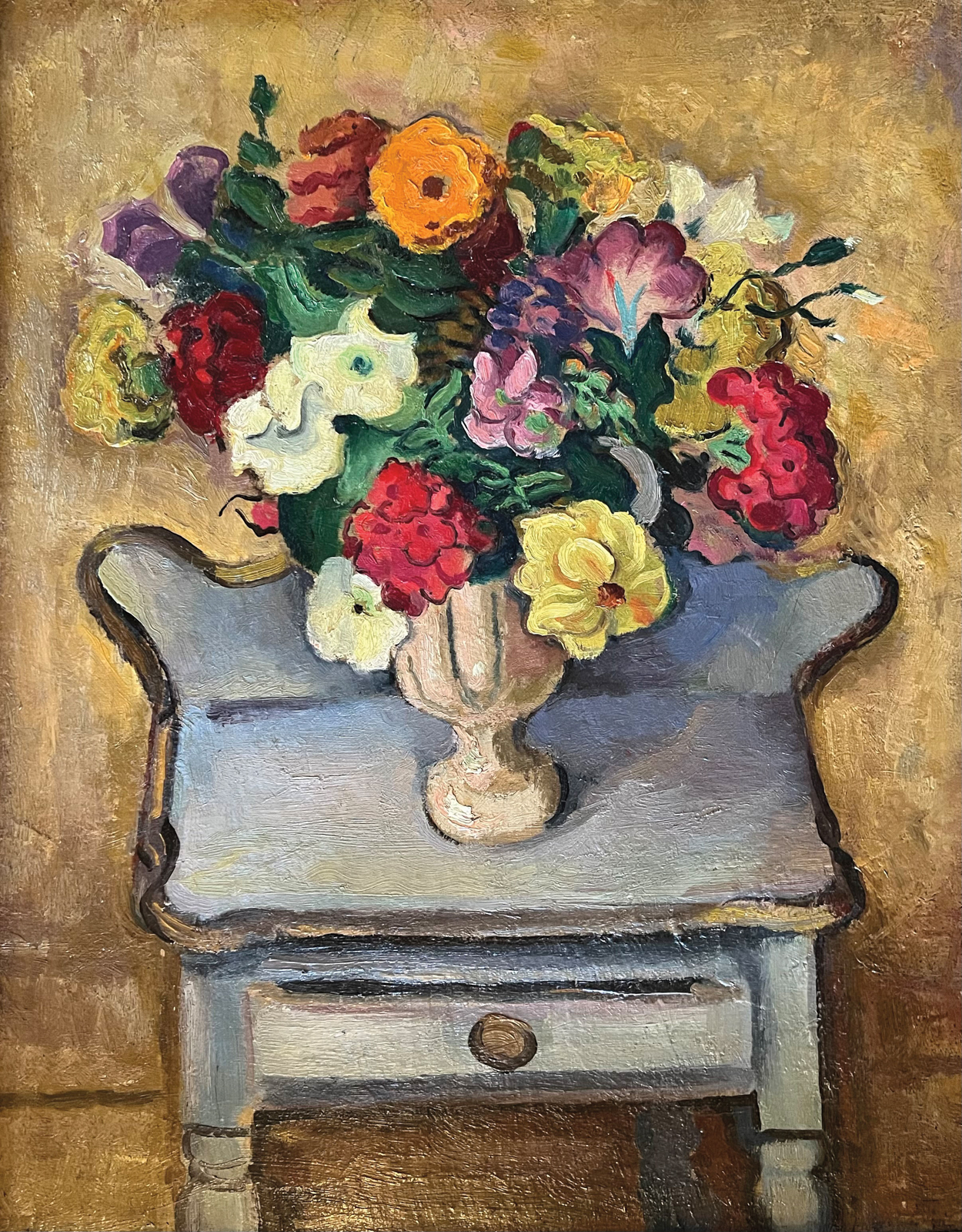
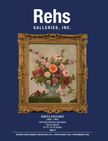
Adrian Dornbush (1900-1970), Flower Still Life, ca. 1931. Oil on canvas, 24½ x 19½ in., 32 x 27 in. (framed), signed and inscribed on verso: ‘Adrian Dornbush/ Flower Still Life’; remnant of exhibition label verso; stamped ‘1454’ on verso; original frame.
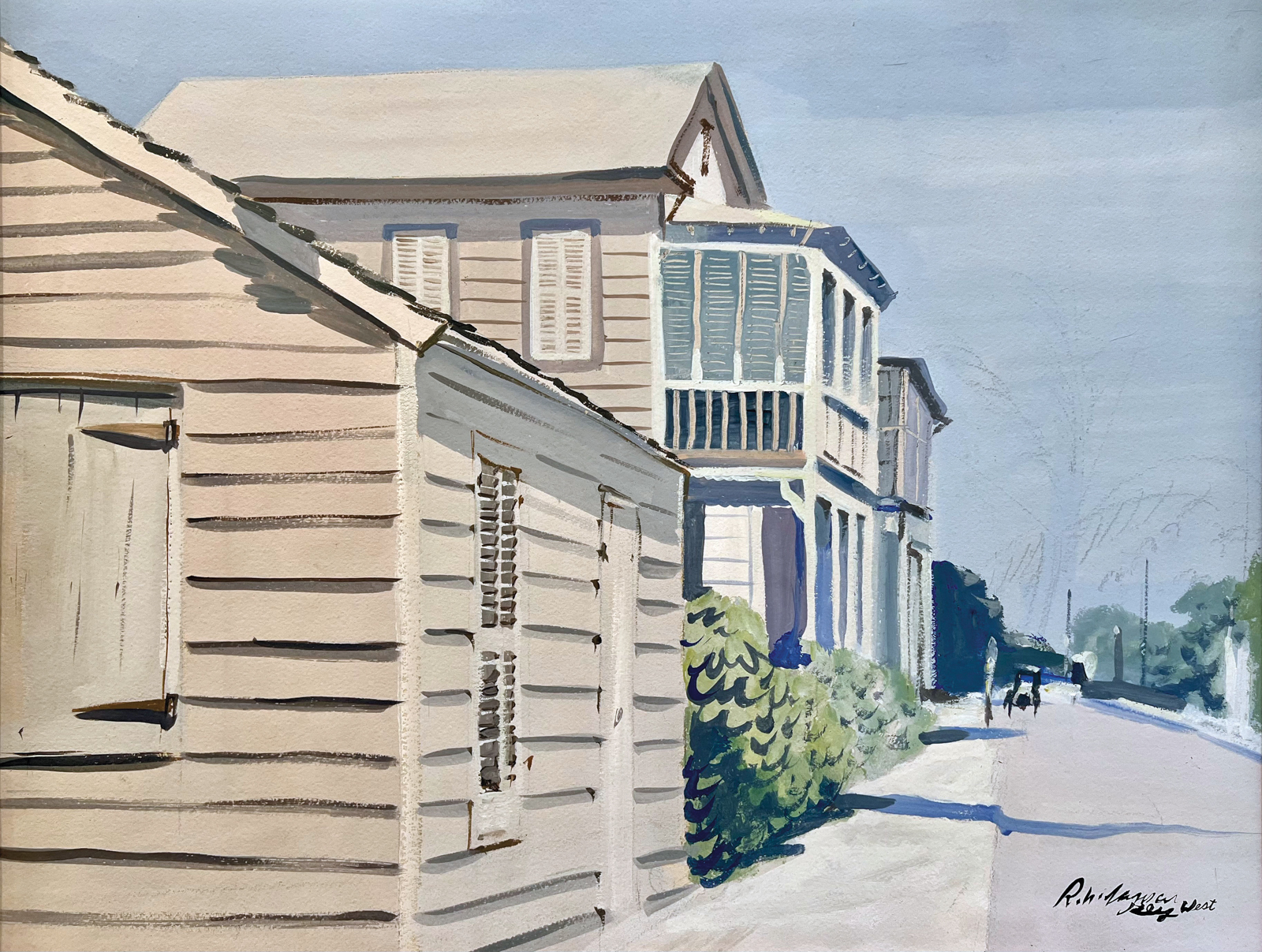
Richard H. Jansen (1919-1988), Key West, ca. 1935. Watercolor and gouache on paper, 20 x 26 in., 28½ x 34½ in. (framed), signed and titled lower right.
“The collection is important for several reasons,” notes CW American Modernism’s Chris Walther. “First, the collection represents a diverse and rare cross-section of artists working in different media, styles and locations across 1930s America. Many of the artists’ early works, such as those by Richard Jansen, Adrian Dornbush, David McCosh and Ed Rowan himself, are rarely available today. Second, the collection provides important historical context for the art of the WPA era, since many of the artists and their family members were associated with experimental private and public art projects, which helped establish the look and feel of American art, including the Public Works of Art Project, the American Federation of Arts, the Stone City Art Colony, The Little Gallery, the Federal Emergency Relief Administration and the Treasury Department’s Section of Painting and Sculpture…Third, the collection is an intimate and curated selection of works put together by the keen eyes of Leota and Ed Rowan from among their close friends and professional artistic collaborators.”
The collection features an impactful group of innovators, including the aforementioned artists, as well as Henry Varnum Poor, Waldo Pierce, Herman Maril, Carlos Lopez, J. Theodore Johnson and Chaim Gross.
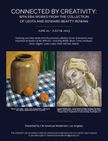
Titled Connected by Creativity: WPA Era Works From The Collection of Leota and Edward Beatty Rowan, the exhibition at CW American Modernism showcases everything the gallery has acquired from the Rowan collection. “We want to present the works as they experienced and lived with the works,” says Walther.
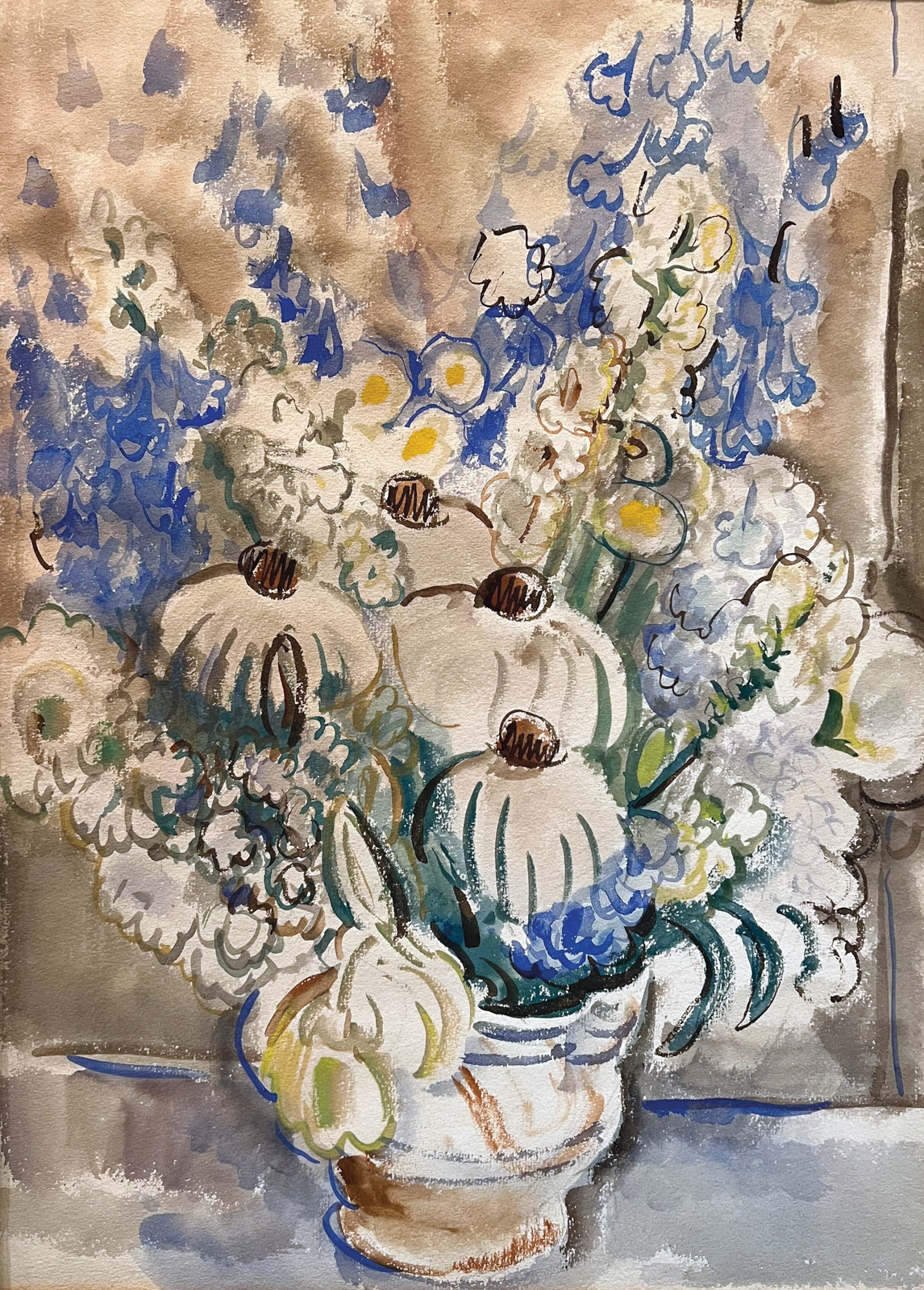
Edward Beatty Rowan (1898-1946), Flowers Still Life, ca. 1930s. Watercolor on paper, 20 x 16½ in., 27½ x 21 in. (framed), inscribed on verso: ‘550-514’.
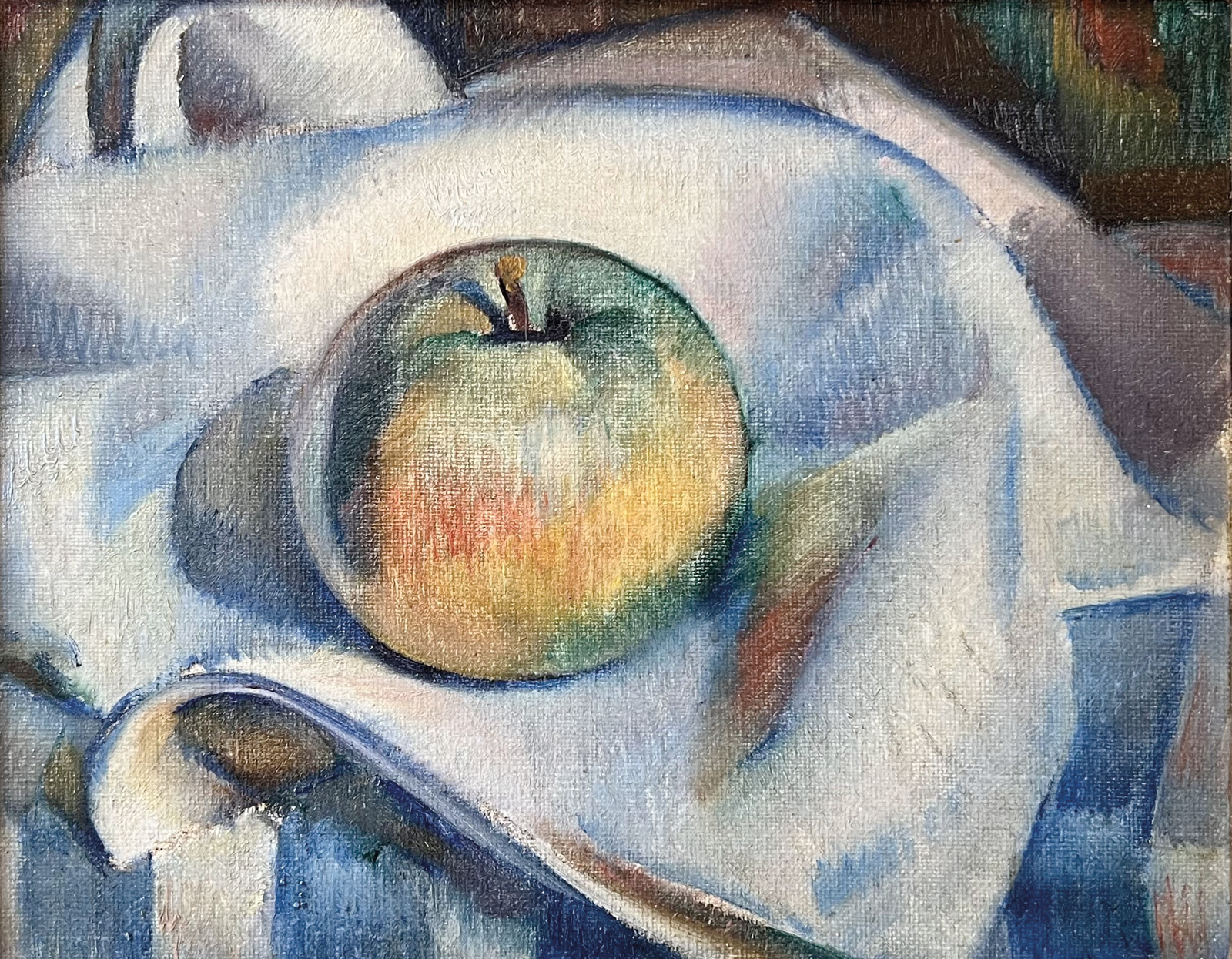
J. Theodore Johnson (1902-1963), Etude de Pomme I, ca. 1928. Oil on canvas board, 7½ x 9½ in., 11¼ x 13¼ in. (framed), signed on verso: ‘J Theo Johnson’; titled on verso: ‘Etude de Pomme I’; canvas board marked on verso: ‘Lucien Lefebvre-Foinet/ 19 Rue Vavin, 2 Rue Bren-Paris’; inscribed on verso: ‘28/21’ and ‘21’; inscribed on verso: ‘Johnson/ Rowan’.
He cites two major works in the upcoming show. “The first is a beautifully painted oil on panel by Marvin Cone titled Color Arrangement. It was exhibited at Cone’s first solo exhibition at the Little Gallery in Cedar Rapids in 1929 and is a prime example of Cone’s still life painting from the period. The painting merits comparison to works in the collection of the Cedar Rapids Museum of Art, which has the most extensive grouping of Cone’s works…The second work is an important portrait by George Biddle. Painted in true fresco, the sitter is Biddle’s wife, the sculptor Helene Sardeau. Biddle, a close friend of the Roosevelts, received one of the first major public works commissions to paint murals for the Department of Justice building in Washington, D.C…For the Justice Department mural, Biddle initially used his wife and Ed Rowan for two of the figures. The original studies for Biddle’s mural clearly show the Sardeau portrait. Rowan family tradition holds that when Biddle completed that section of the mural, he changed his mind and decided not to include his wife’s image. He had his assistants remove the image from the wall. The removed section was then gifted to the Rowans and Biddle repainted the mural using a different model in a slightly different pose.”
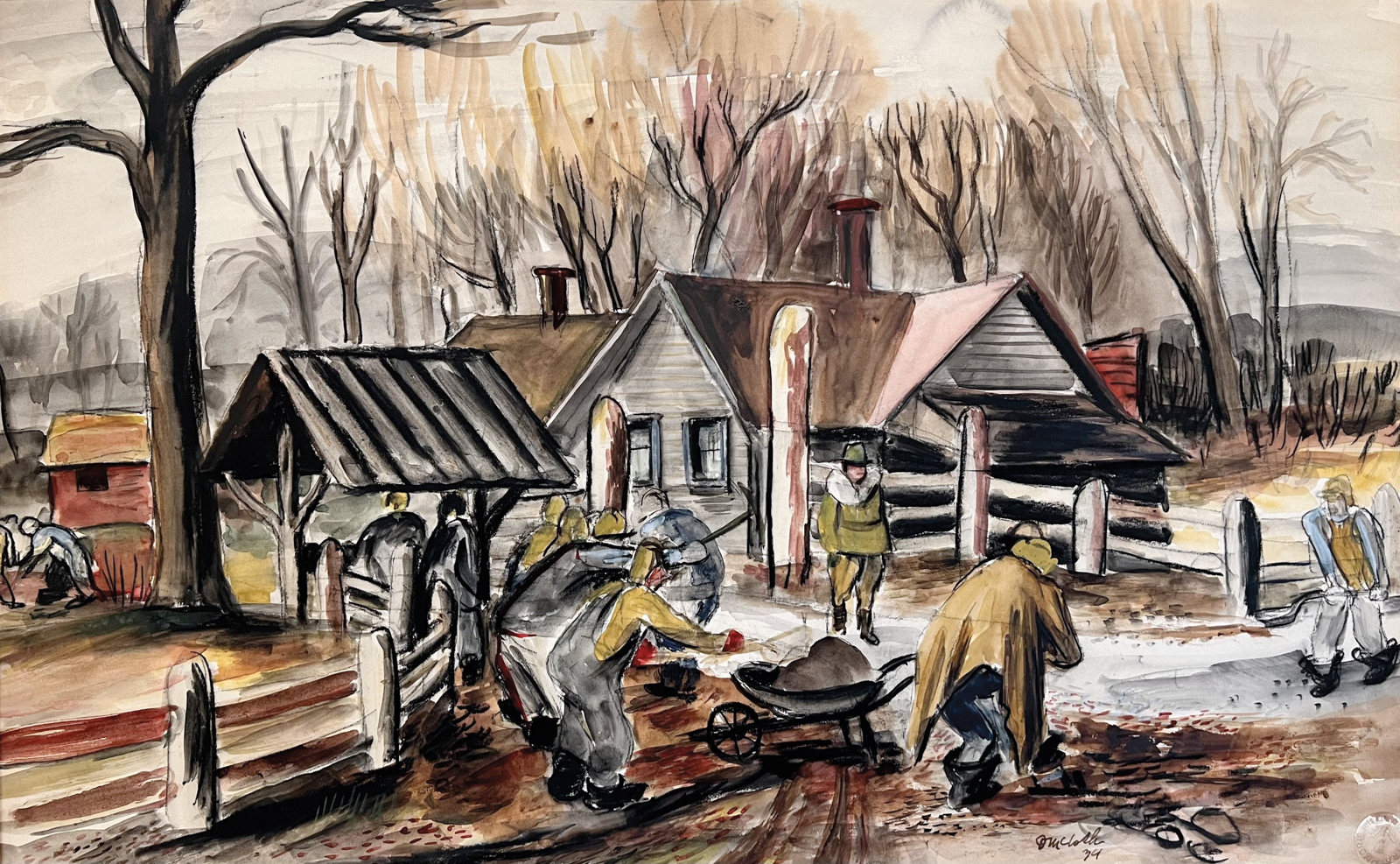
David McCosh (1903-1980), Entrance to Canal Project, 1934. Watercolor on paper, 14½ x 22¾ in., 21¼ x 29¼ in. (framed), signed lower right: ‘D. McCosh’.
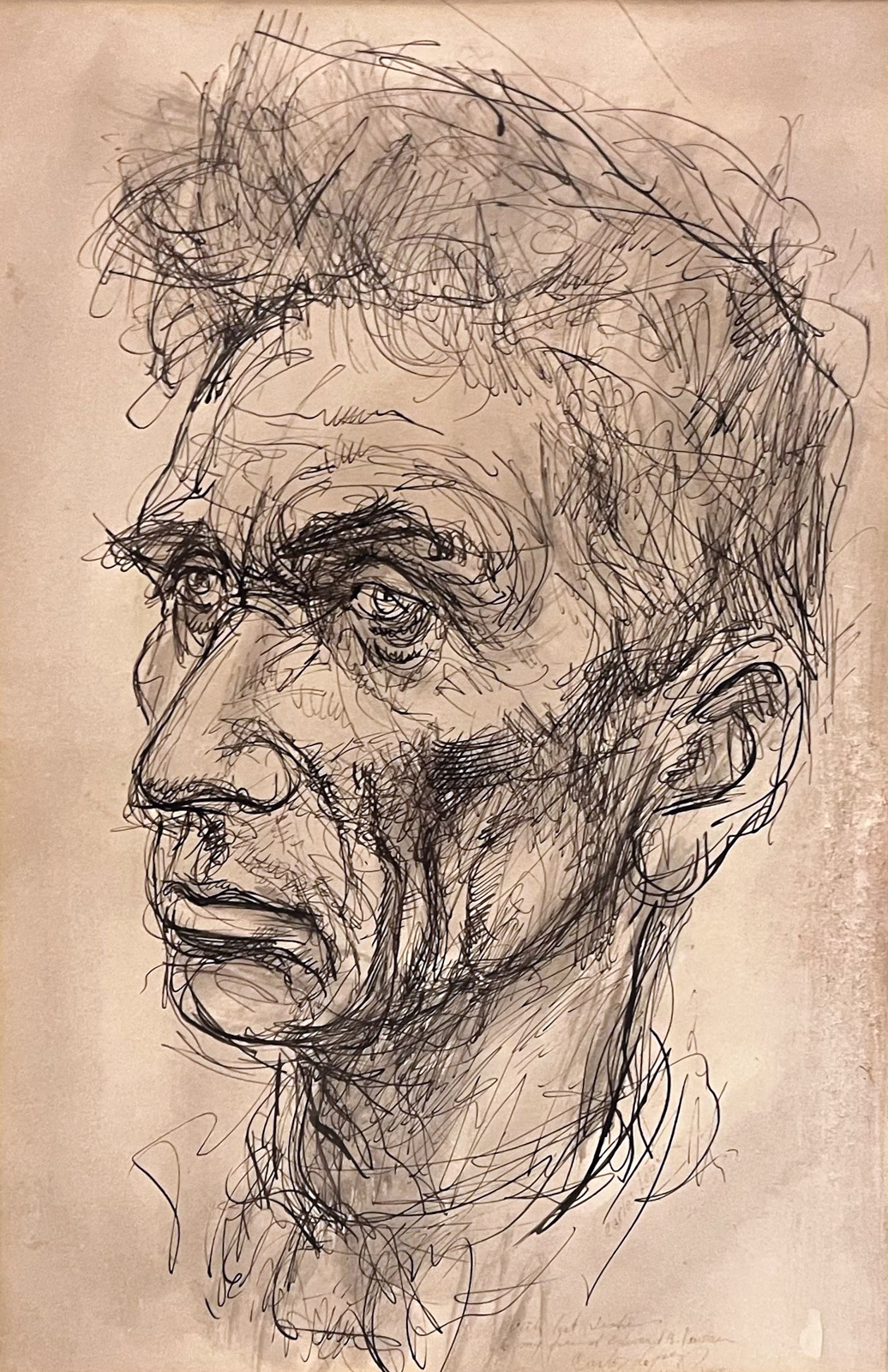
Carlos Lopez (1908-1953), Portrait of Ed Rowan, 1943. Ink on paper, 13½ x 10½ in., 16½ x 12½ in. (framed), inscribed: ‘with best wishes to my friend Edward B. Rowan Carlos Lopez Royal Oak, Mich. 1943’.
Connected by Creativity: WPA Era Works From The Collection of Leota and Edward Beatty Rowan will be on view from June 9 to July 7 online and by appointment at CW American Modernism.
Powered by Froala Editor