A fascinating new exhibition at Massachusetts’ Clark Art Institute examines intersections of late Enlightenment-era scientific discoveries and artistic visions. On the Horizon: Art and Atmosphere in the 19th Century features work by American and European artists responding to discoveries about air, leading them to give substance to a formerly invisible element.
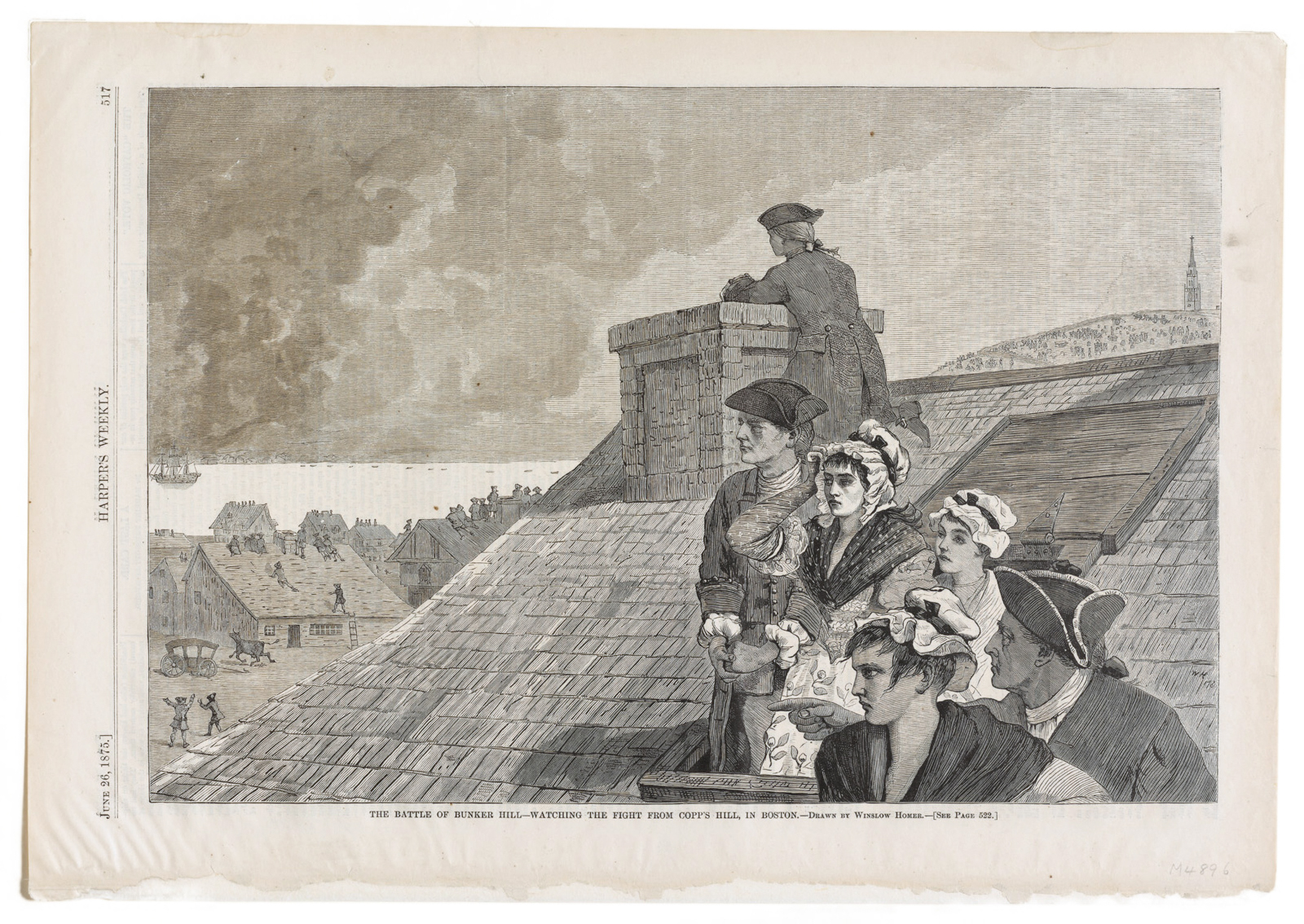 After Winslow Homer (1836-1910), The Battle of Bunker Hill - Watching the Fight from Copp’s Hill, in Boston, 1875, from Harper’s Weekly, Vol. XIX. Wood engraving on newsprint, 93/16 x 13¾ in. Clark Art Institute, 1955.4067.
The show is curated by Rebecca Szantyr, the Clark’s former curatorial assistant for works on paper, and is an outgrowth of her dissertation which focused on transatlantic artist Nicolino Calyo. Calyo’s gouache drawings of a hot air balloon ascending over a Maryland landscape captivated her.
“So much of the composition was the air space,” Szantyr says. This sent her down a path of inquiry into how, beginning in the 1700s, air itself was understood for its scientific properties. She began wondering, how did artists portray this new knowledge about the atmosphere?
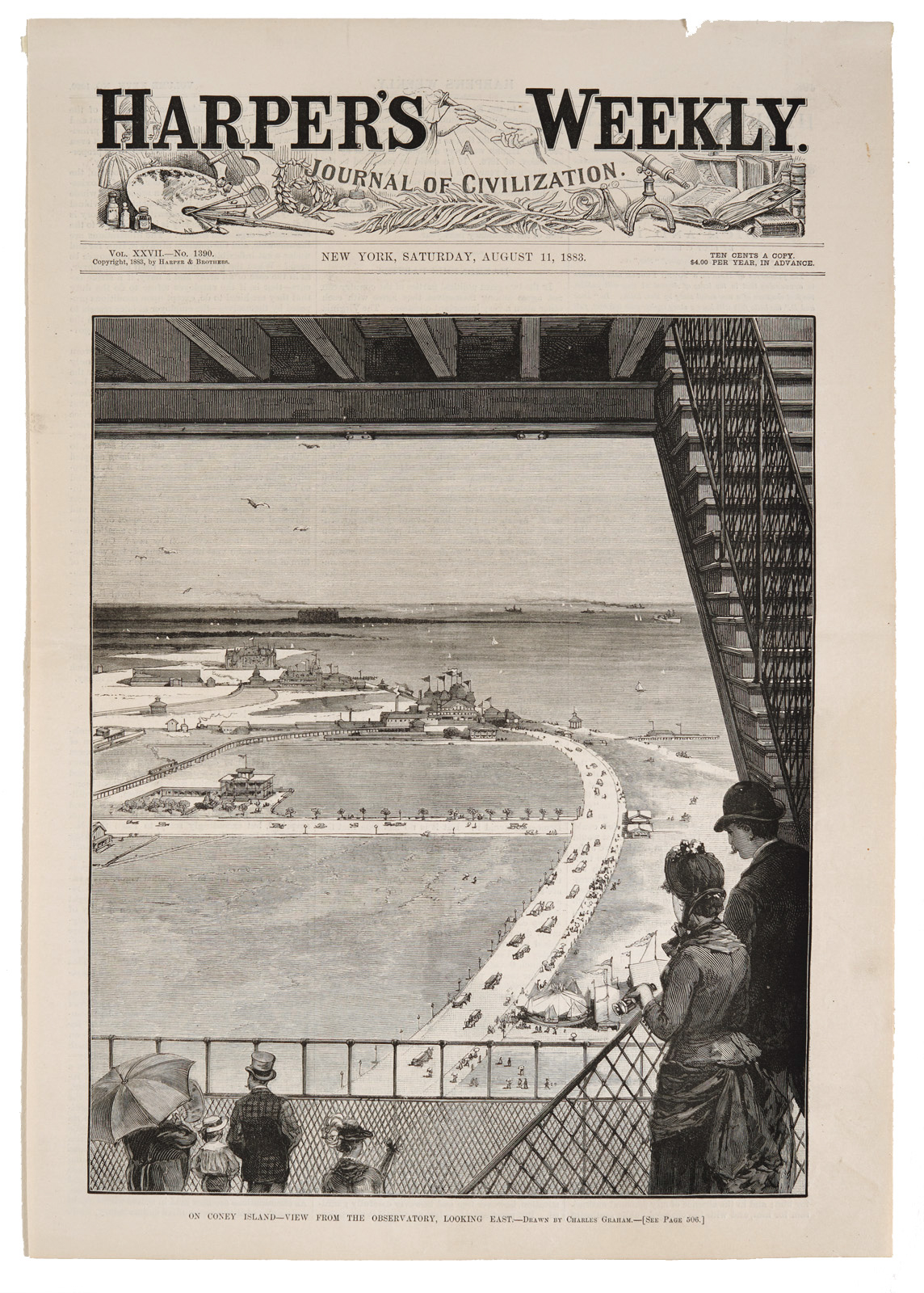 Charles Graham (1852-1911), On Coney Island - View from the Observatory, Looking East, 1883. Wood engraving on paper, 11¼ x 91/16 in. Clark Art
Institute, 1955.4362.
Szantyr had a bevy of choices to include from the Clark’s collection. Interestingly, many of the artworks are prints and illustrations from broadsides. Not only were insights about the elements expanding in the 1700s and 1800s, so were means of disseminating art, A key example is The Battle of Bunker Hill - Watching the Fight from Copp’s Hill, in Boston, after Winslow Homer. This print appeared in Harper’s Weekly in 1875, 100 years after the battle it portrays. Most of the people in the scene look toward the left, presumably toward the hill itself. But one lone watcher looks out across a bay at the billowing smoke of cannon fire. The clear air of the watchers’ outpost contrasts with the smoke in the distance, creating a tension in the atmosphere. Harper’s readers would have comprehended the symbolism of clear skies above the American watchers and battle receding into the distance. They were at the precipice of freedom from the British Empire.
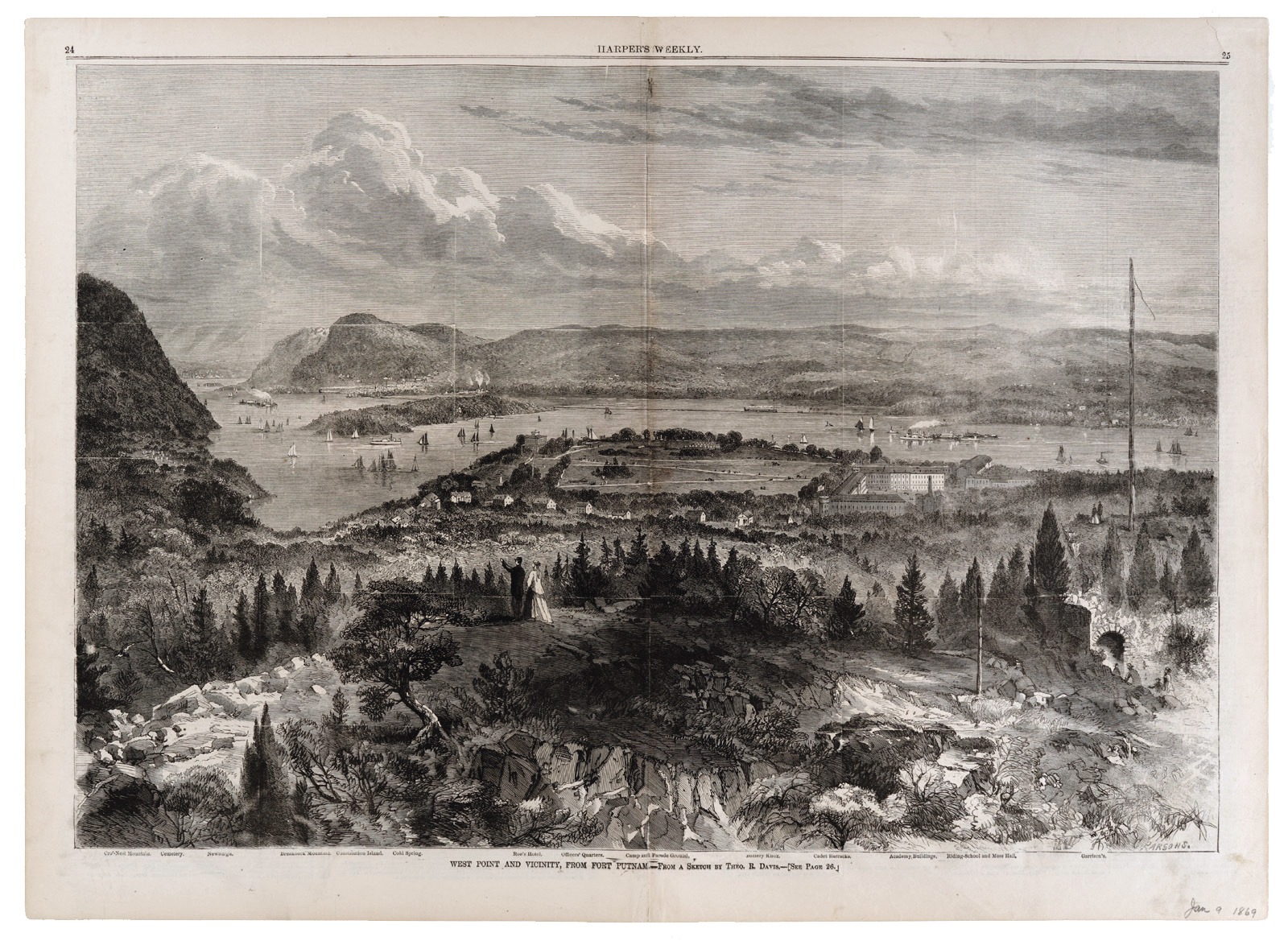 Theodore Russell Davis (1840-1894), Washington City, D. C., 1869. Wood engraving on paper,
1311/16 x 207/16 in. Clark Art Institute, 1955.4361.
The exhibition is organized into several sections that focus on theorizing about the element itself, visualizing the atmosphere, experiencing the world via elevated viewpoints, and pollution. The exhibition features work by notable artists such as J.M.W. Turner, John Constable, Honoré Daumier, Charles Meryon and Auguste-Louis Lepère. American artists featured include James Abbott McNeill Whistler, Charles Graham, Beverly Bennett Dobbs and Theodore Russell Davis, who notably went on to design the President Hayes White House dinner service in 1879.
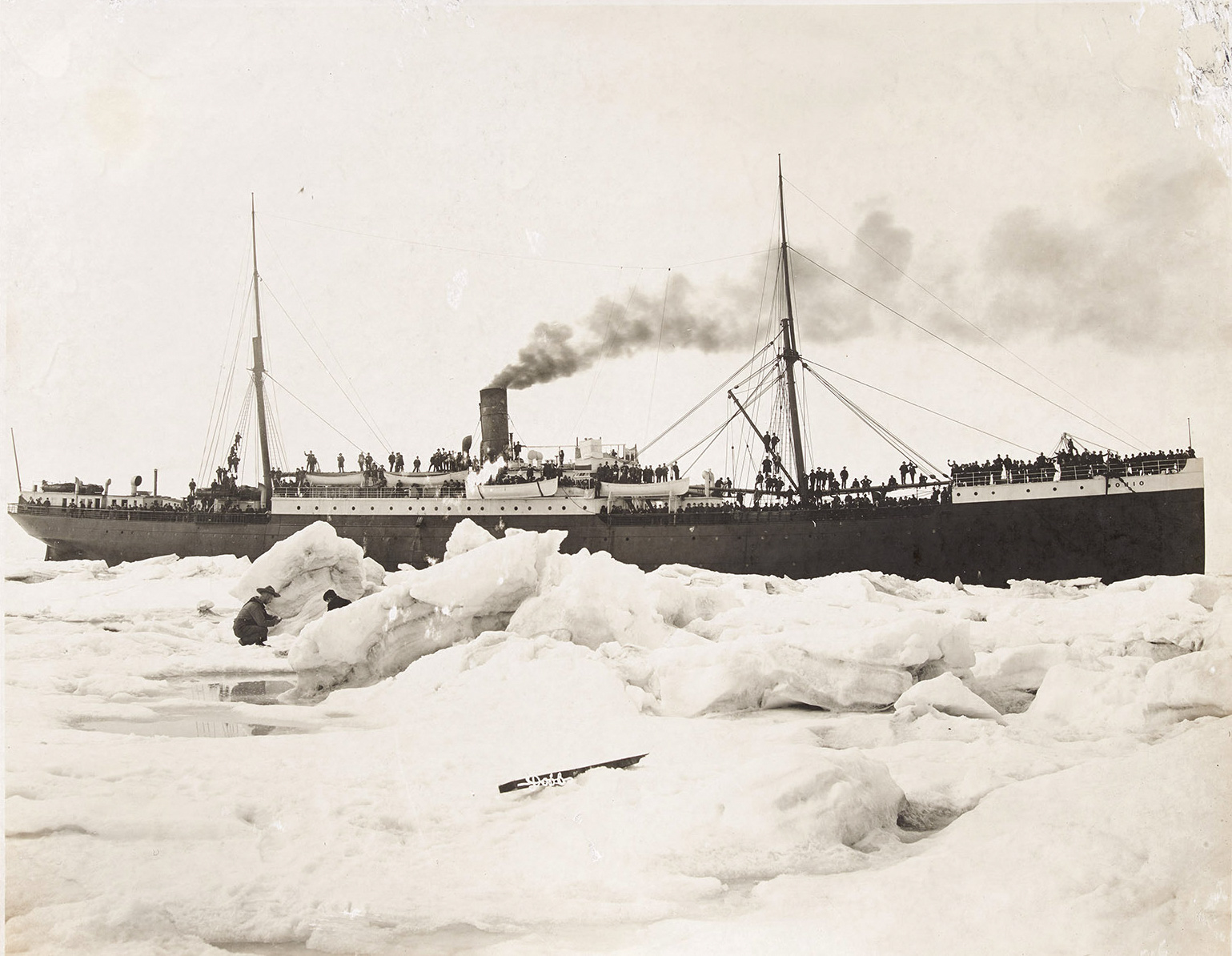 Beverly Bennett Dobbs (1868-1937), Ship in Ice Floe, 1903-6. Gelatin silver print, 75/16 x 97/16 in. Clark Art Institute; acquired with funds donated by Herbert Allen, 2000.8.4.2.
Szantyr thinks of the show as “a nexus of science, technology, and the natural world.” The atmosphere was a new visual frontier for artists of the 19th century. “They faced a representational challenge of how to visualize a subject that is often invisible, or at the very least, taken for granted,” Szantyr says. No longer was air thought of as empty space, but instead could be conceived as an active component of a composition. The result was to make seen the formerly unseen.
Powered by Froala Editor