
In the late-19th and early-20th centuries, artists from Europe and the United States flocked to Venice, Italy, to take in the sights, paint the canals and lagoon, sip coffee on St. Mark’s Square and enjoy the Italian sunlight as it raked across the historic stonework that towers over those famously narrow streets. John Singer Sargent, James Abbott McNeill Whistler, Thomas Moran, Robert Frederick Blum, Charles Caryl Coleman, Frank Duveneck and many others wandered those streets as they were inspired by the ancient city laid before them. The artwork they would create and send out into the world would help re-establish Venice as a key cultural hub in Europe.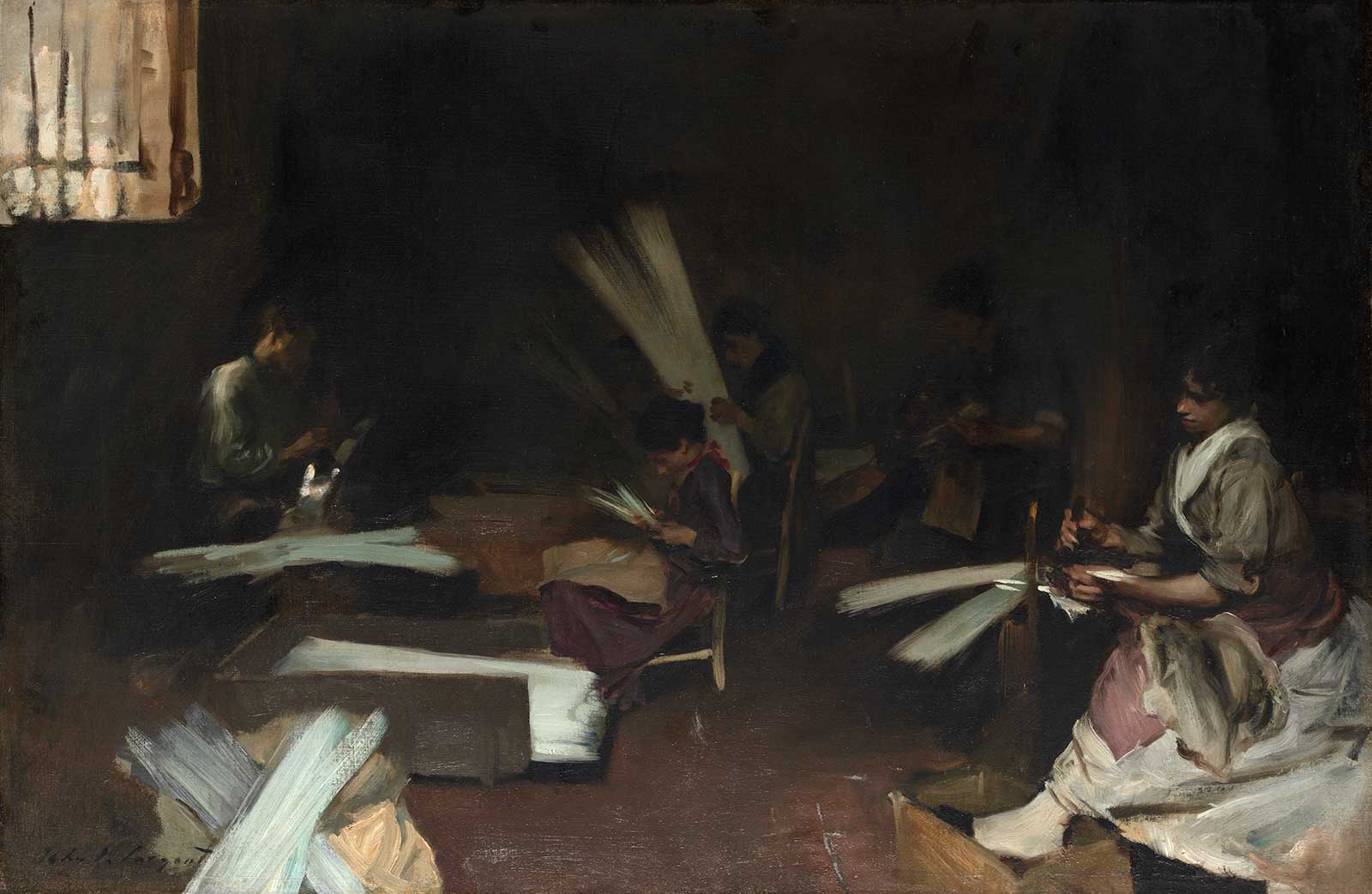 John Singer Sargent (1856-1925), Venetian Glassworkers, ca. 1880-82. Oil on canvas. The Art Institute of Chicago, Mr. and Mrs. Martin A. Ryerson Collection, 1933.1217.
But the relationship was not one-sided. These artists were inspired by the culture of Venice, and Venetian culture was inspired by them. Some of the benefactors of this cross-cultural pollination were the glassmakers who operated on the small island of Murano in the Venetian Lagoon. It was there, just two miles from Venice, where glass artists were hand-blowing intricate creations, including vessels of all kinds, many of which are now in major museum collections around the world.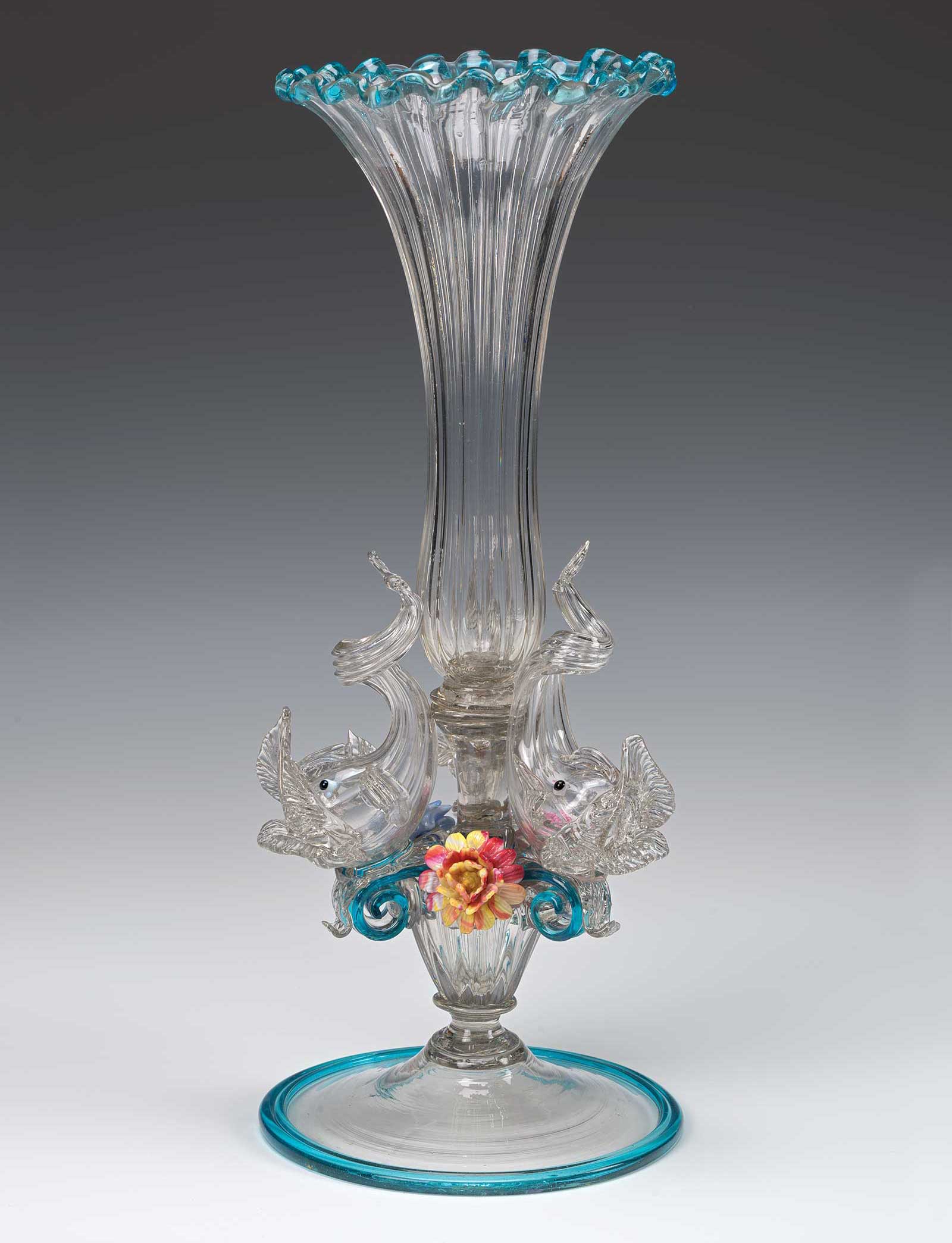 Attributed to Compagnia di Venezia e Murano (CVM), manufacturer, Vase with Dolphins and Flowers, ca. 1880s-90s, blown and applied hot-worked glass, Smithsonian American Art Museum.
Gift of John Gellatly, 1929.8.469.1.
These two forces—American painters and Murano glassmakers—are the subjects of a major new exhibition opening June 25 at the Amon Carter Museum of American Art in Fort Worth, Texas. Sargent, Whistler, and Venetian Glass: American Artists and the Magic of Murano is curated by Crawford Alexander Mann III, curator of prints and drawings at the Smithsonian American Art Museum.
In addition to the exhibition, Mann also organized and co-authored a major catalog for the traveling exhibition. He notes that not only were the painters inspired by Murano, they were actively showing glassmakers in their paintings, drawings and etchings.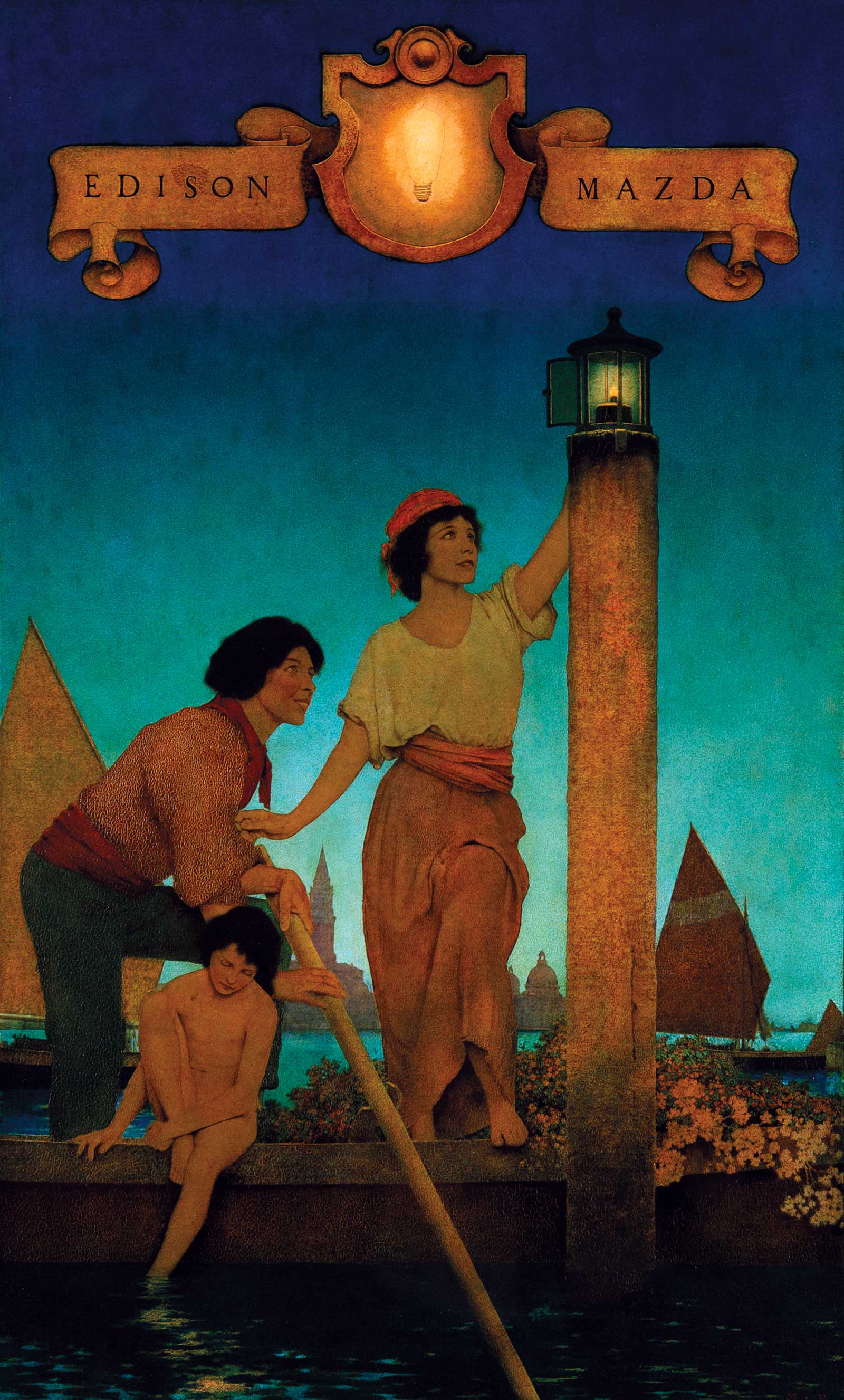 Maxfield Parrish (1870-1966), Venetian Lamplighters, 1922. Oil on panel. National Museum of American Illustration, Newport, RI, and American Illustrators Gallery, New York, NY. © 2021 Maxfield Parrish Family, LLC/Licensed by VAGA at Artists Rights Society (ARS), NY.
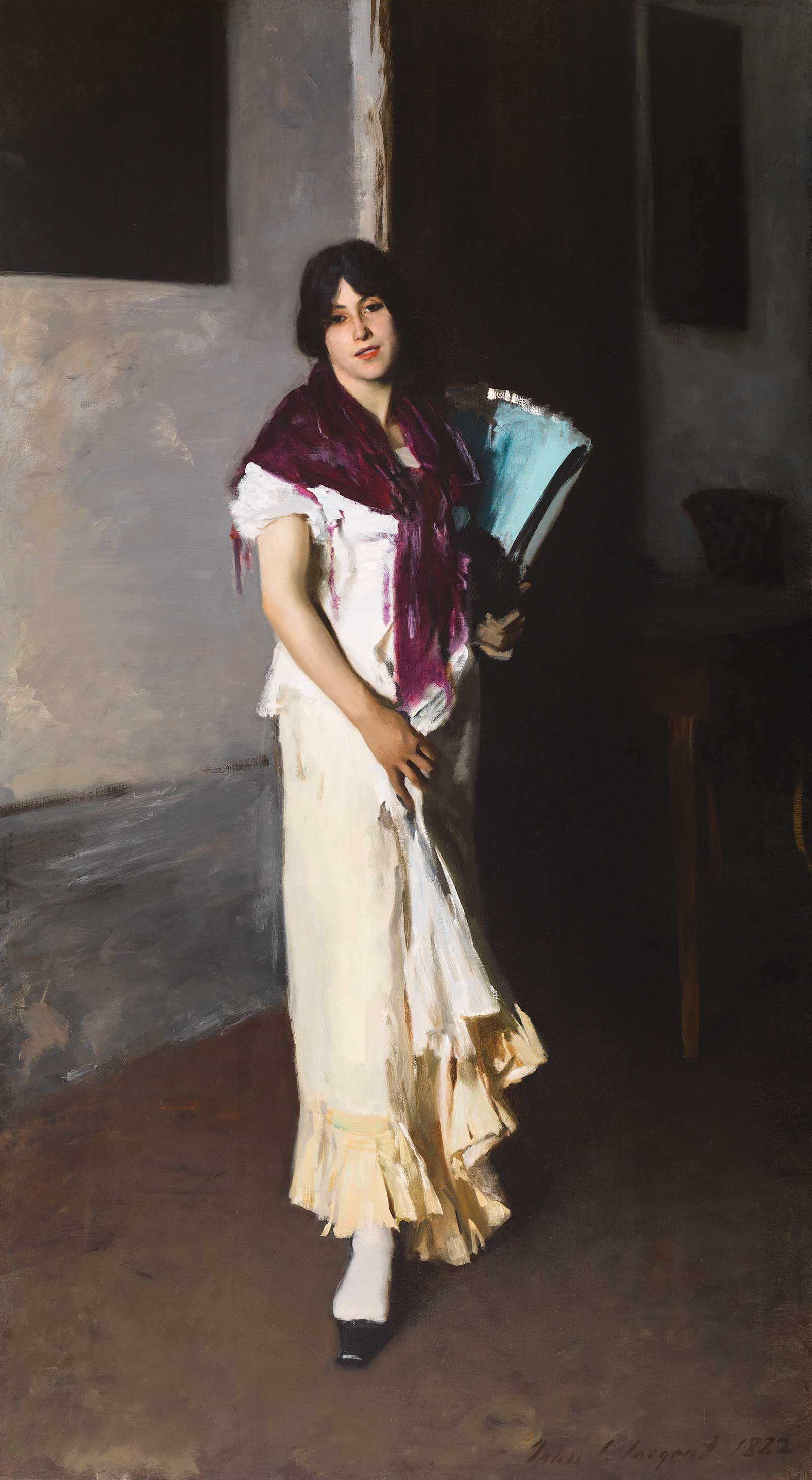 John Singer Sargent (1856-1925), A Venetian Woman, 1882. Oil on canvas. Cincinnati Art Museum, the Edwin and Virginia Irwin Memorial, 1972.37.
“Amid burgeoning glass production, Sargent, Whistler and their followers created artworks that redefined how Americans remembered and imagined Venice’s light, colors, pageantry and other charms. Scholars have observed the presence of bead stringers, glassblowers and fellow artisans within acclaimed pictures from this period, but no exhibition has yet explored this body of paintings, prints, and glass together,” Mann writes in the book’s introduction. “By surveying the island city’s artistic output and inventive spirit broadly, this study exposes moments of dialogue between Venice’s fine and decorative arts communities. It offers new perspectives on the oeuvre of many leading American artists of the late-19th century, while also contributing to the ongoing reappraisal of the sophistication of Venetian glass. Far too often academic conversations on fine art and glass are separate, and in museums, curatorial divisions—between pictorial and decorative art, between European and American art—make these intertwined stories difficult to assess. Reconnecting these threads and reuniting a diverse assortment of Venetian-made objects, this assemblage of case studies unveils important and previously overlooked parallels of style, patronage, and critical fortunes. Examinations of collecting patterns and instances of cross-media influence reveal the ways in which the glass industry inspired Venice’s increasingly international communities of painters and printmakers…”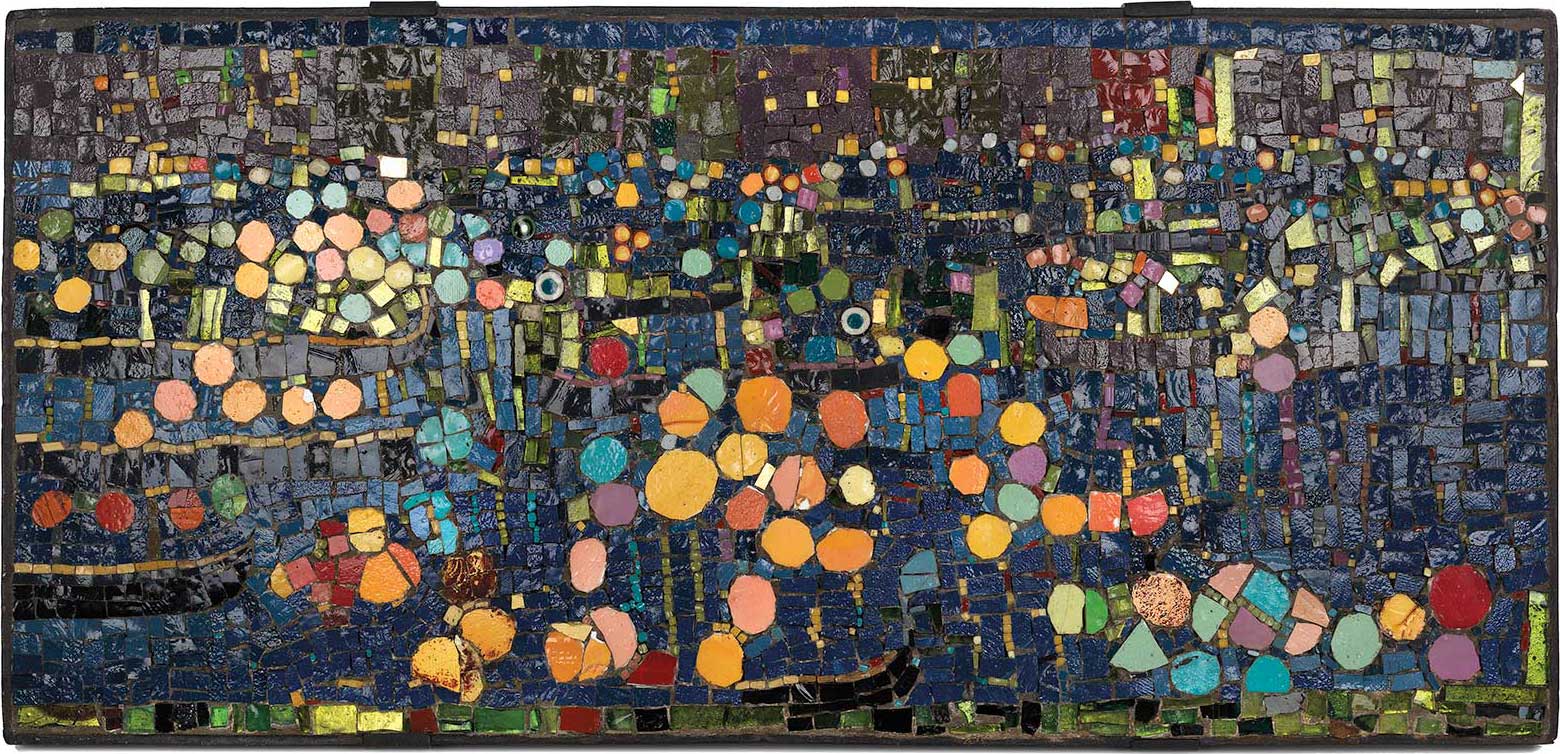 Maurice Brazil Prendergast (1858-1924), Fiesta Grand Canal, Venice, ca. 1899. Glass and ceramic, mosaic tiles in plaster. Williams College Museum of Art. Bequest of Mrs. Charles Prendergast, 95.4.79.
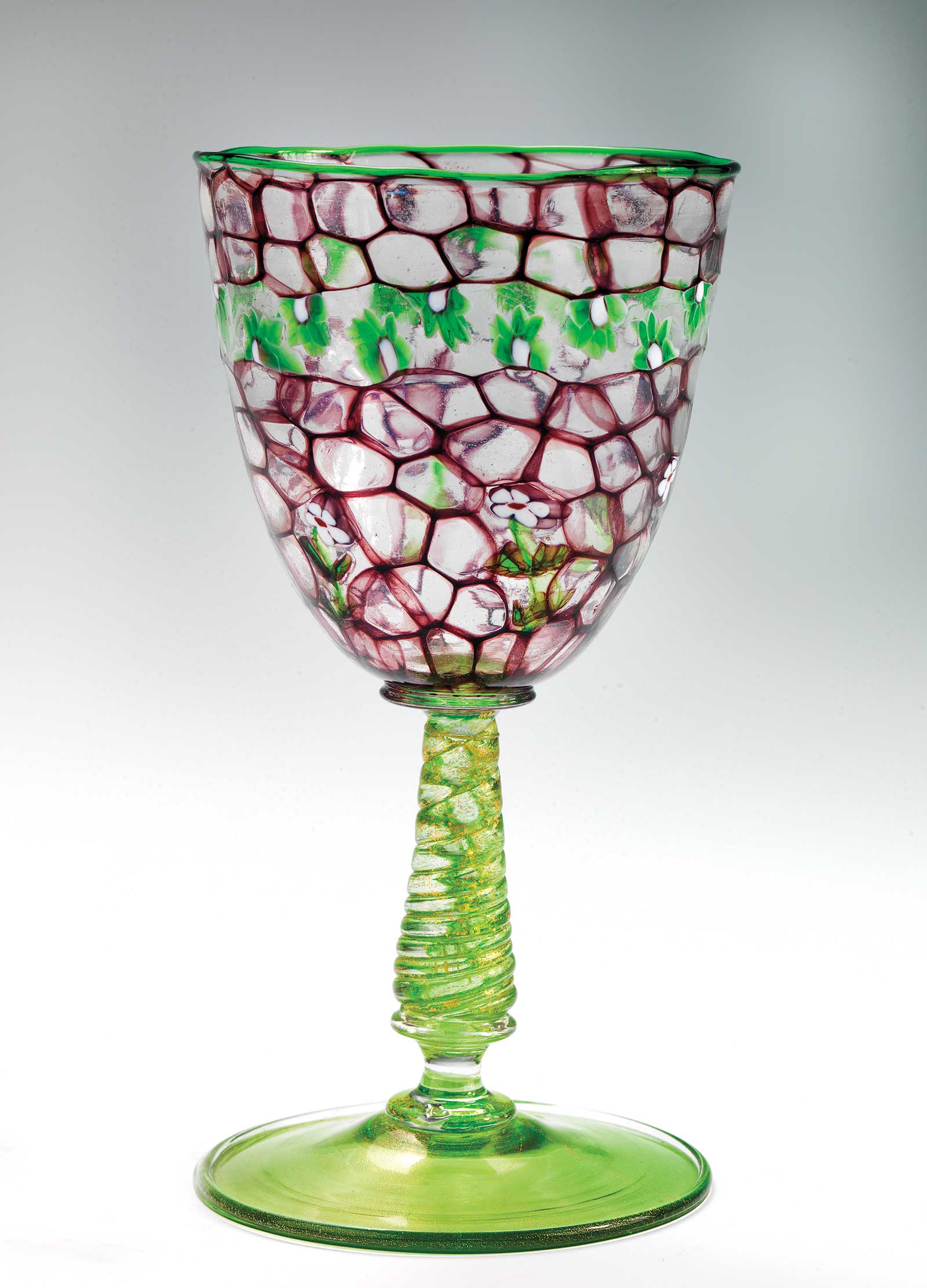 Attributed to Ercole Barovier (1889-1974) or Nicolò Barovier (1895-1947), Mosaic Glass Goblet, ca. 1914-28. Blown and applied hot-worked glass, with mosaic glass inclusions, Smithsonian American Art Museum. Gift of John Gellatly, 1929.8.469.9.
Works in the exhibition include major pieces from many of the artists who visited Venice during that sweet period between 1860 and 1915 when Murano glass was growing into its own. Fascinating examples from that 55-year window include Maurice Brazil Prendergast’s Fiesta Grand Canal, which was directly inspired by Murano glass with its glass and ceramic mosaic tiles in plaster; Maxfield Parrish’s Venetian Lamplighters, with a trio of figures framed above the lagoon and below the fading light of Venice; Moran’s A View of Venice, painted with a glass-like quality to the lagoon’s surface; and Coleman’s The Bronze Horses of San Marco, Venice.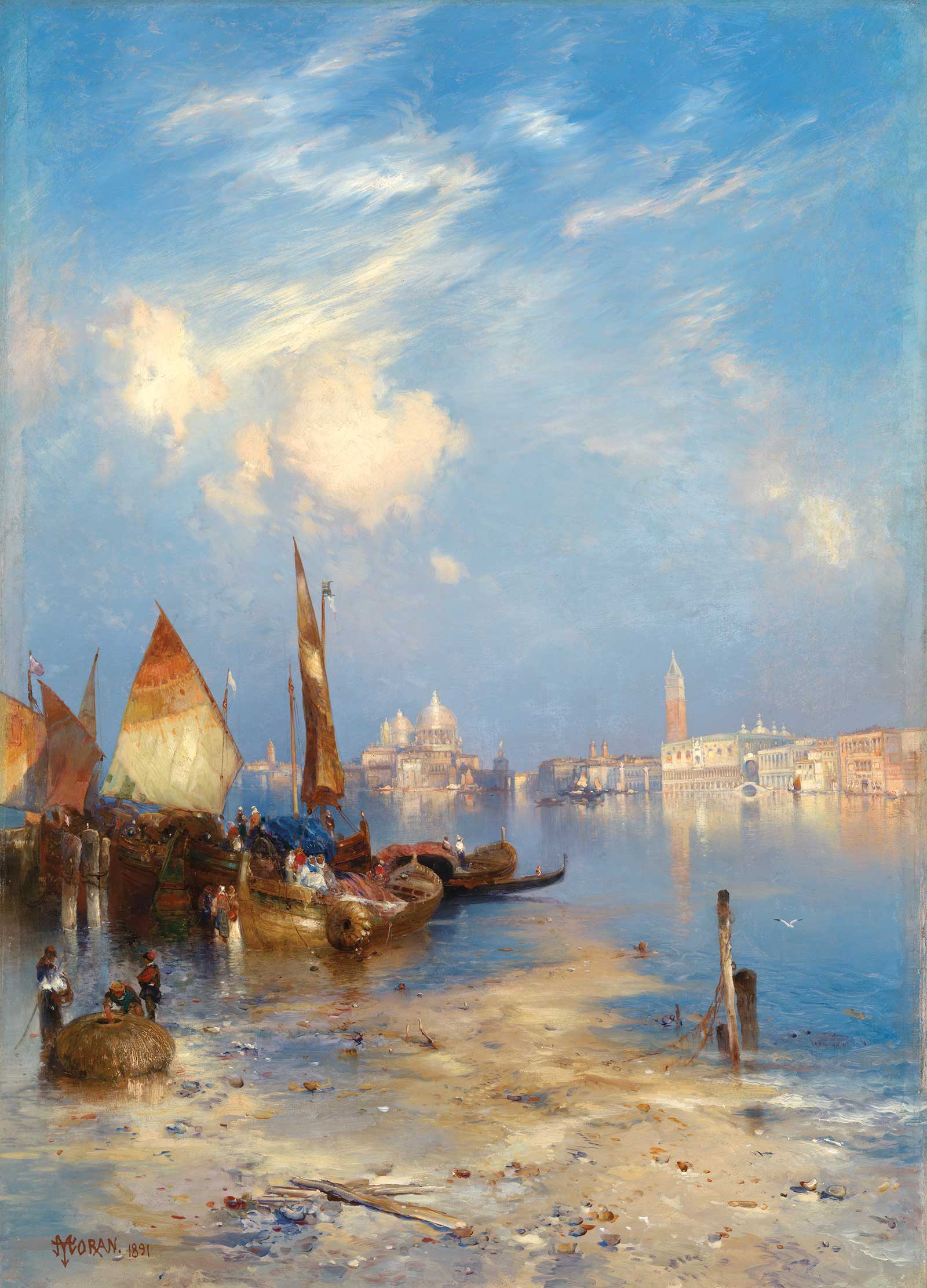 Thomas Moran (1837-1926), A View of Venice, 1891. Oil on canvas. Smithsonian American Art Museum, Transfer from the U.S. Department of Interior, National Park Service, 1968.120.1.
The exhibition devotes considerable attention to Whistler and Sargent, who arrived in Venice within a year of each other. Whistler arrived first, in 1879, after fleeing London following a feud with art critic John Ruskin. Although Whistler did paint in Italy, much of his Venice work was beautifully drawn etchings showing the city and its inhabitants. The etchings were part of an assignment from the Fine Art Society of London. Though the work came slow, Whistler was happy with the location and wrote back to London: “I can’t tell you how intoxicating this place is…You are perfectly bewildered with the entanglement of beautiful things! You say I will do this and I must do that and I ought to do the other! and if not carefull [sic], it all ends in dizziness and craze!…[I]t is not merely the ‘Views of Venice’ or the ‘Streets of Venice,’ or the ‘Canals of Venice’ such as you have seem brought back by the foolish sketcher…but great pictures that stare you in the face.”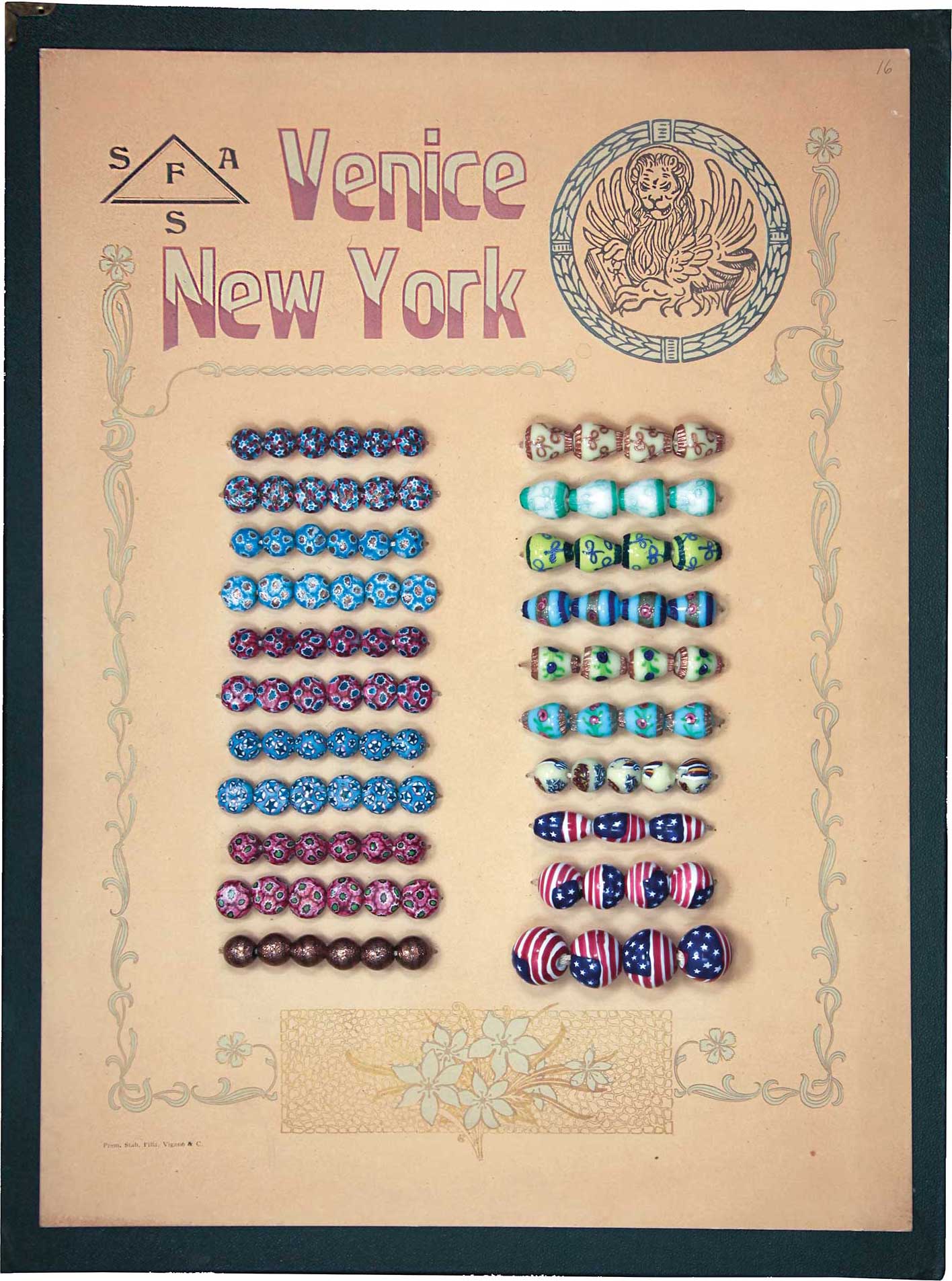 Attributed to Società Veneziana per l’industria delle Conterie (SVC) and Stephen A. Frost & Son, Sample Card with Millefiori and Flag Beads, late-19th century-1904. 106 mosaic glass and flameworked glass beads mounted to printed card. Illinois State Museum. Gift of Dan Frost, 1941-0083-XVI.
Sargent arrived in 1880, though it was not his first trip having made earlier visits in his youth. Where Whistler focused on the larger scenes of the city, Sargent painted mostly women in the street or working on small tasks. Some would critique Sargent’s work as banal, but a number of inspired paintings came from his Venice forays. Several of them are in the exhibition, including A Venetian Woman, The Sulphur Match, Venetian Glassworkers and Leaving Church, Campo San Canciano, Venice. Venetian Glassworkers is especially noteworthy considering it shows the famous glass artists in preparation within a shadowy interior scene.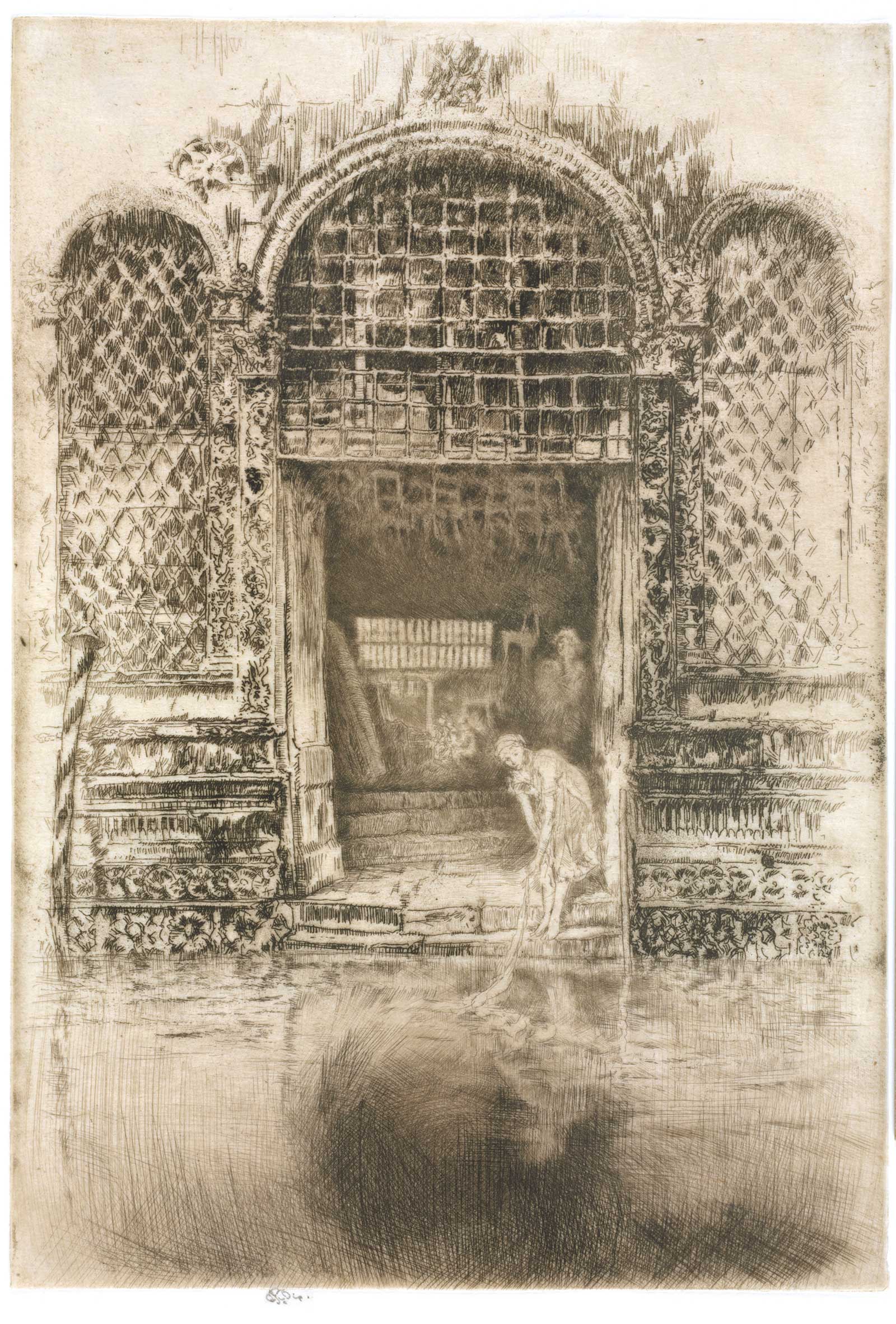 James Abbott McNeill Whistler (1834-1903), The Doorway (First Venice Set), 1879-80. Etching, drypoint and roulette on paper. The Baltimore Museum of Art, the Conrad Collection, 1932.17.13.
Just as much attention that is devoted to the painters is also given to the glass and glassmakers in the exhibition, which frames Murano glass within the larger Aesthetic Movement that was inspiring artists, collectors and curators to seek out beauty in all things, even materials objects. The Amon Carter Museum will present incredible glass works that exemplify the period. Works include elaborate goblets with delicate sculptural qualities, vases with glowing color, mosaic bowls with galactic fields of swirling forms and numerous sample cards sewn with strands of beads. The exhibition’s mediums—paintings, drawings, etchings, glass—reveal the beauty that ran throughout Venice and into the rest of the world.
“[Glass] neither rusts or decays,” wrote art historian and critic James Jackson Jarves. “Moths can not consume it, nor time alter its shape or dim its beauty. It is always the same frolicsome, fascinating, suggestive, imperishable object.” —
Powered by Froala Editor