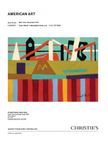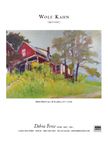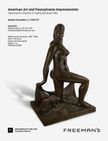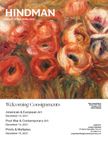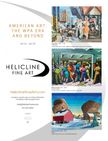
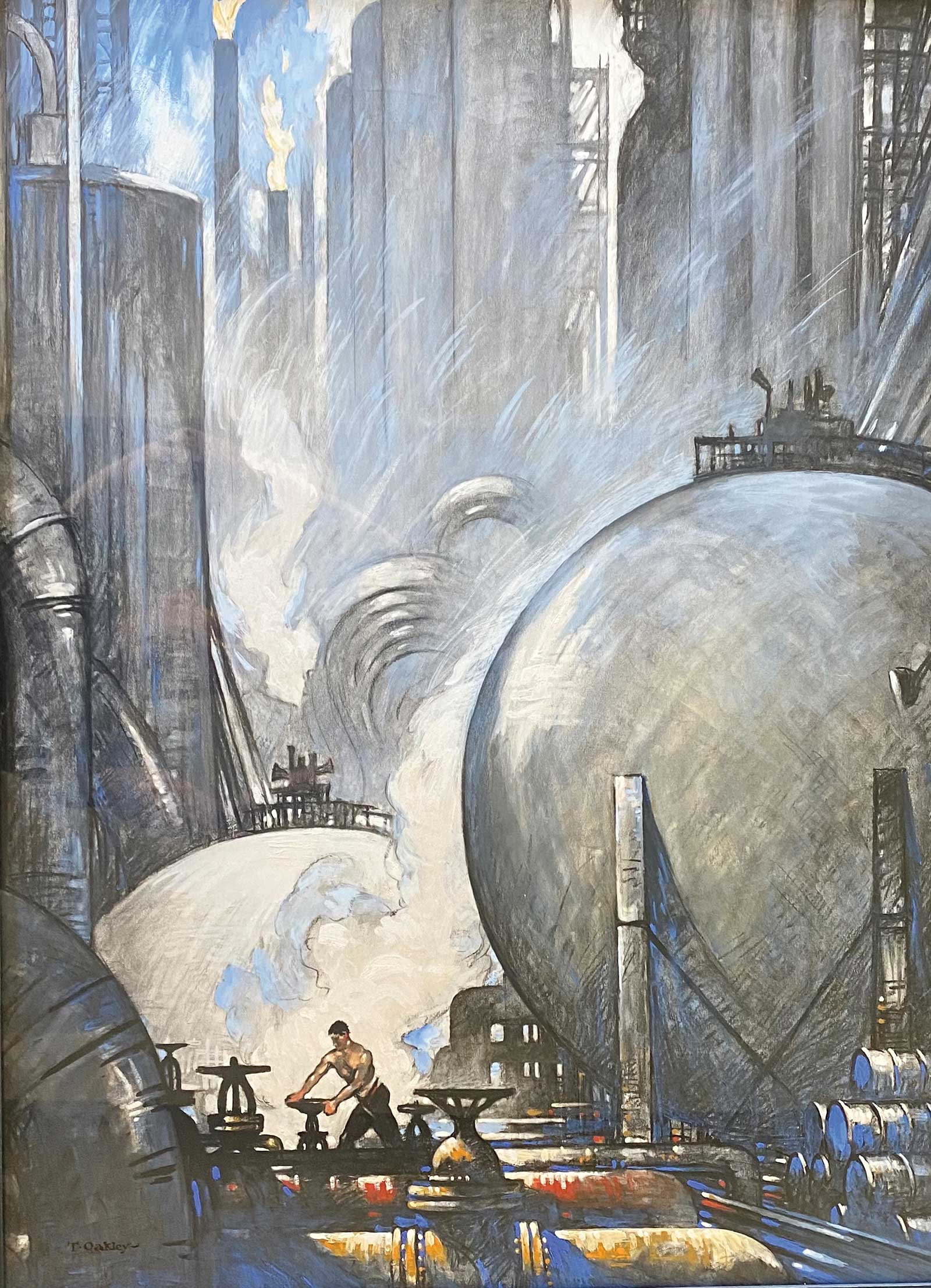
 Thornton Oakley (1881-1953), Industry, ca. 1940s. Gouache and pastel on paper, 40 x 30 in., signed lower left.
Thornton Oakley (1881-1953)
Industry
Illustrator and muralist Thornton Oakley was born in Pittsburgh and graduated from the University of Pennsylvania with a degree in architecture. Then he studied with Howard Pyle, founder of the Brandywine School. In his lifetime Oakley illustrated numerous books and magazines, including Harper’s, Century Magazine, Collier’s Weekly and Everybody’s Magazine.
Oakley is known for his paintings of industrial America and is recognized for six 12-foot murals he painted for the Franklin Institute in Philadelphia. During World War II, the National Geographic Society commissioned 48 paintings of war plants and related topics. Industry was once in the National Geographic Collection.
His art is found in numerous public collections including Philadelphia Museum of Art, Pennsylvania Academy of the Fine Arts, Historical Society of Pennsylvania, National Gallery of Art, Library of Congress, Boston Public Library, New York Public Library and the British Museum.
Helicline Fine Art
(212) 204-8833 • www.heliclinefineart.com
———————————————————————————
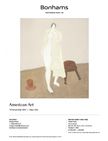
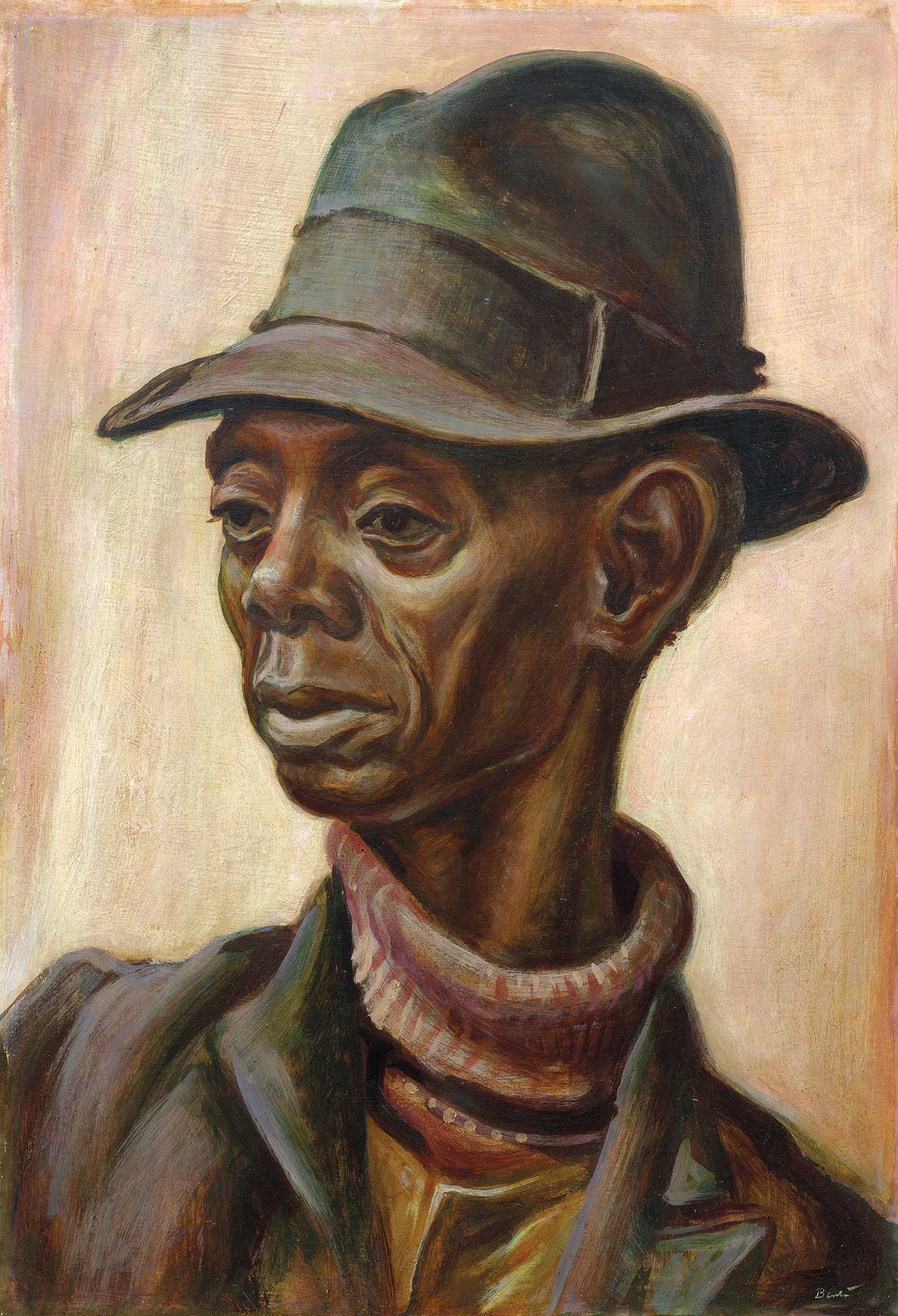 Thomas Hart Benton (1889-1975), Study for ‘Instruction’, ca. 1940. Tempera on gessoed canvas board, 207⁄8 x 143⁄8 in., signed lower right: ‘Benton’. © 2021 T.H. and R.P. Benton Trusts / Licensed by Artists Rights Society (ARS), New York.
Thomas Hart Benton (1889-1975)
Study for ‘Instruction’
This example is a study for one of the figures in Thomas Hart Benton’s famous painting Instruction, which resides in a private collection, and in his lithograph of the same name from circa 1940. As Debra Force Fine Art explains, “Although the artist made some minor adjustments to the figure’s pose between the study and the final painting, Study for ‘Instruction’ focuses more intimately on the sitter’s facial features and his poignant expression rendered in the artist’s usual painterly manner and sensitivity to subject.”
The study was acquired from Associated American Artists by a private collector in California, and it has remained in the family for decades. As such, the work was unknown by the Thomas Hart Benton Catalogue Raisonné Foundation until its recent discovery.
Debra Force Fine Art, Inc.
13 E. 69th Street, Suite 4F • New York, NY 10021
(212) 734-3636 • www.debraforce.com
———————————————————————————
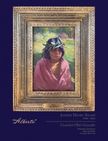
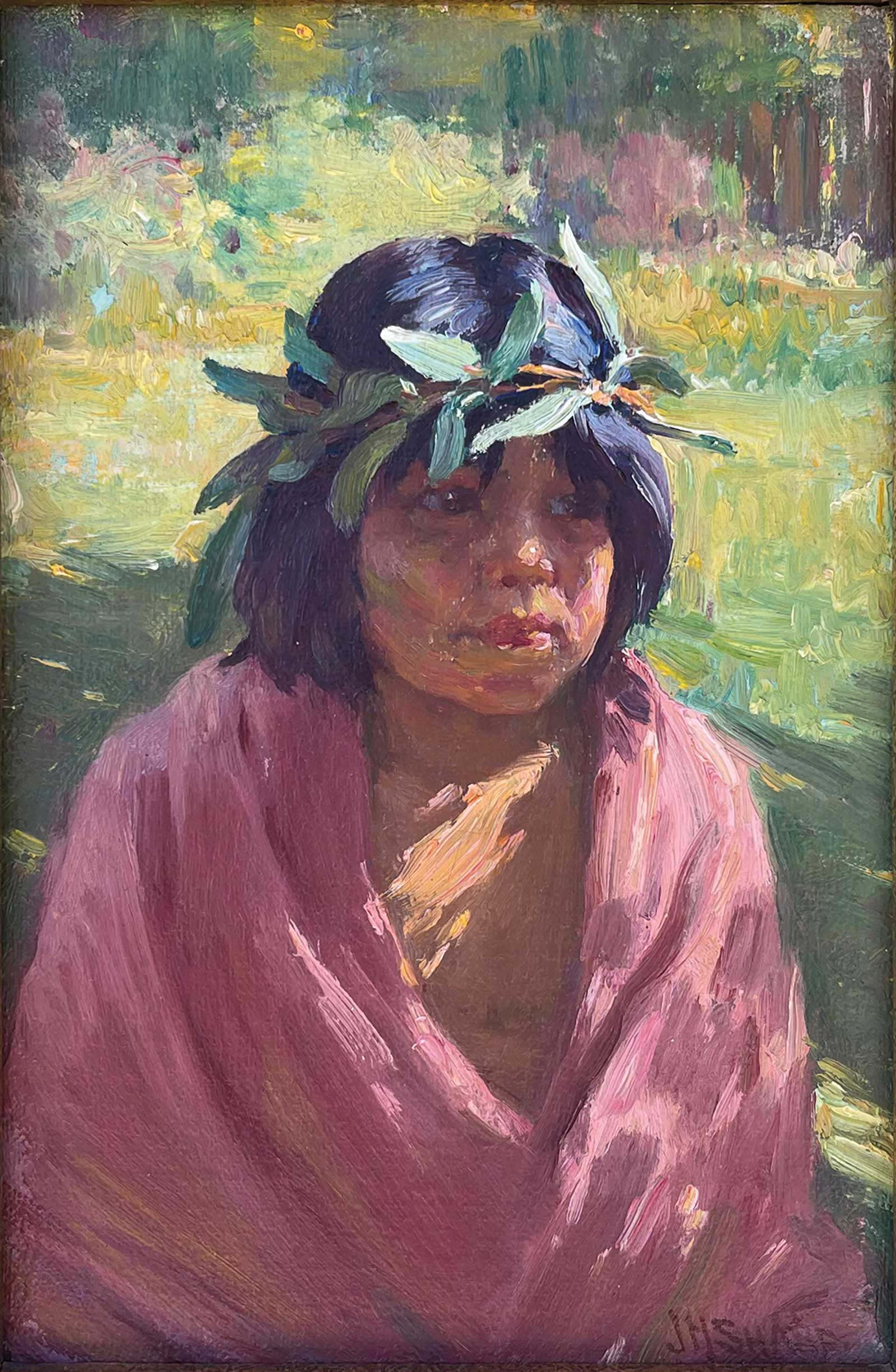 Joseph Henry Sharp (1859-1953), Alberto. Oil, 9 x 6 in., inscribed: ‘Alberto – Taos Indian Boy’; personalized as gift to: Mr. Enid Stab in 1916.
Joseph Henry Sharp (1859-1953)
Alberto
The leader and inspirational founder of the Taos Society of Artists, Joseph Henry Sharp blazed a trail to the nuances of color and scenery of the Southwest. As Claggett/Rey Gallery shares, “His depictions of a fast-disappearing culture hold the history of Native societies. Each painting an allegory of Native Americans’ simple and symbiotic relationship with their land.”
Seen here is a little gem measuring just 9 by 6 inches and inscribed with “Alberto – Taos Indian Boy”. The work, aptly titled Alberto, is also personalized as a gift to Mr. Enid Stab in 1916. Sharp frequently painted Alberto throughout his youth and “possibly into his later years; with his very handsome, prominent high cheekbones and distinctive cleft chin—there are similar traits through many of his paintings.”
Claggett/Rey Gallery
216 Main Street, Suite C-100 • Edwards, CO 81632
(970) 476-9350 • www.claggettrey.com
———————————————————————————
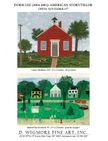
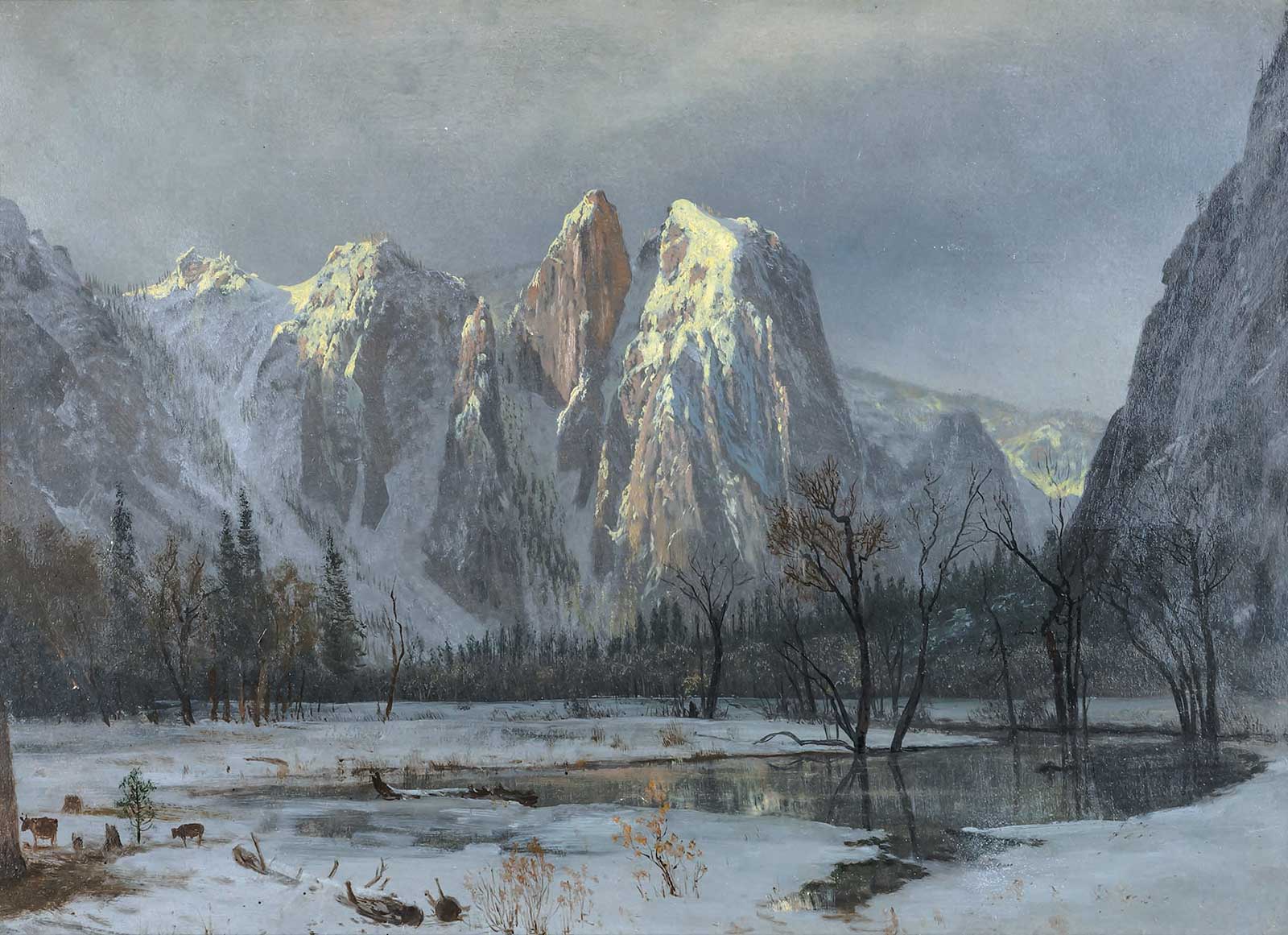 Albert Bierstadt (1830-1902), Cathedral Rocks, Yosemite Valley, California, 1872. Oil on paper, 137⁄8 x 191⁄8 in., inscribed verso: ‘Cathedral Rocks, Yosemite Valley, California’.
Albert Bierstadt (1830-1902)
Cathedral Rocks, Yosemite Valley, California
In this plein air painting, Cathedral Rocks, Yosemite Valley, California, Albert Bierstadt, “captures the stillness of winter with a suggestion of filtered light upon the highest peaks. Bierstadt recorded his first impressions on gessoed paper as he traveled across the continent and up the West Coast, noting the location on the reverse of the painting for future reference. The first impressions of a location are often some of the most creative works, portraying a sense of immediacy.”
The work was featured in Brooklyn Museum’s major 74-work retrospective exhibition Albert Bierstadt: Art & Enterprise and in American Sublime, an exhibition including epic landscapes of 19th-century America, at the Tate Britain, London.
A.J. Kollar Fine Paintings, LLC
1421 W. Aloha Street • Seattle, WA 98112
(206) 323-2156 • www.ajkollar.com
Powered by Froala Editor