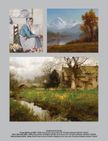
Debra Force is familiar to viewers of Antiques Roadshow on PBS. She has always been interested in American history, even working in costume as a young girl in Williamsburg. Following her education and a distinguished career as a curator and director of major galleries, assembling exhibitions and publishing scholarly catalogues, she opened her own gallery in 1999. Scholars and collectors look forward to the exhibitions at Debra Force Fine Art for the highest quality American paintings, drawings and sculpture from the 18th through the 20th centuries.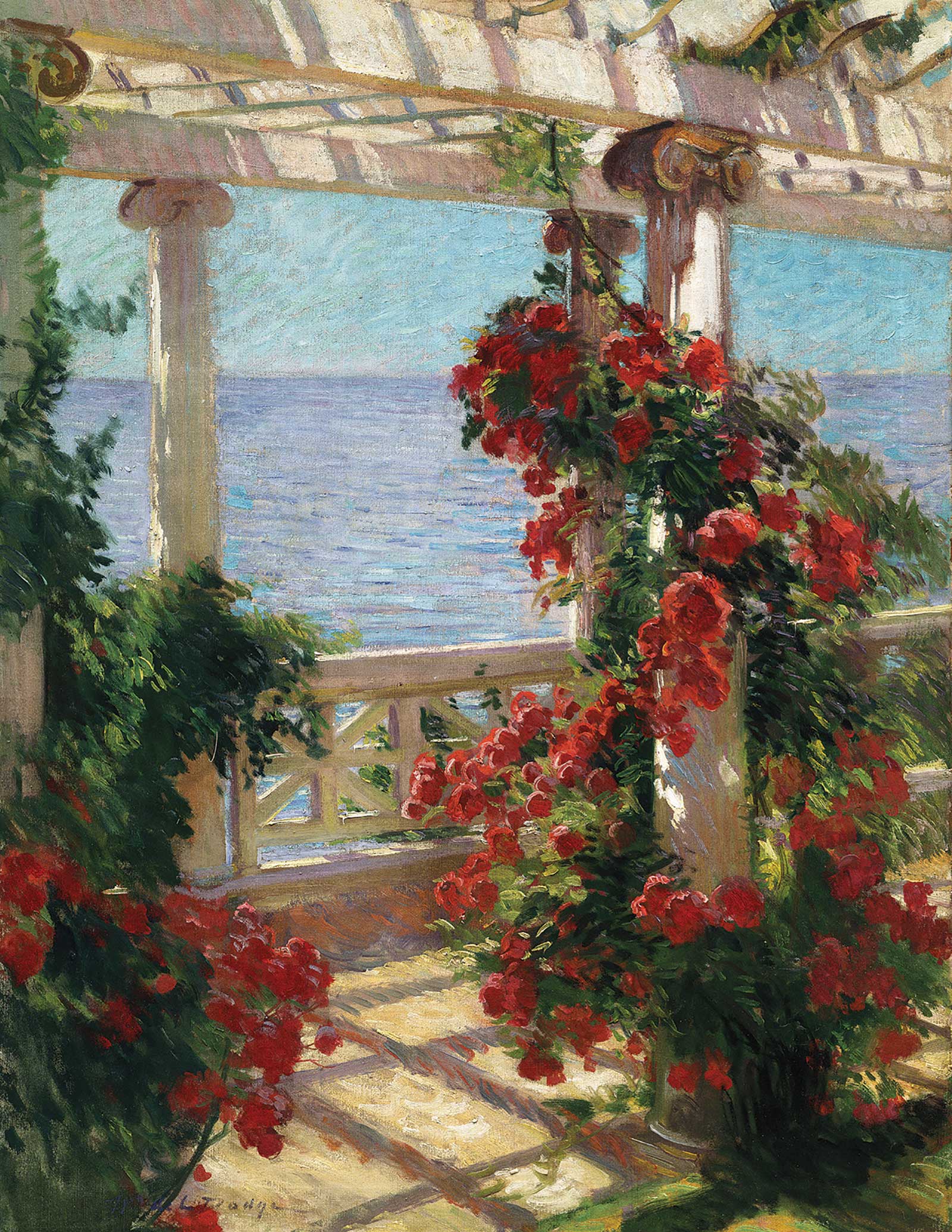 William de Leftwich Dodge (1867-1935), My Pergola, ca. 1913. Oil on canvas, 40 x 30 in.
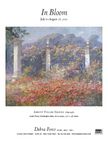
In Bloom, running July 6 through August 27, is no exception. The show will include an extraordinary selection of paintings with a floral theme from still lifes to figurative works.
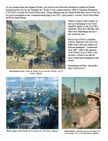
As a boy growing up in a suburb of Boston, Abbott Fuller Graves (1859-1936) worked in a greenhouse and painted floral still lifes. In 1878, when he was 19, his first painting was accepted into the Boston Art Club annual exhibition. Bank Of Oise, was painted at the height of his career. The Pulitzer Prize-winning novelist and dramatist Booth Tarkington wrote of Graves’ paintings: “When you look at one of Graves’ gardens you think you have seen that garden somewhere; and you have, because it is a garden you have dreamed about. His canvases are friendly and familiar and wistful; and there is a bit of a dream in each of them—something of moonlight stolen into sunshine. Flowers are the easiest thing to paint—badly. But Abbott Graves has made himself the master painter of flowers.”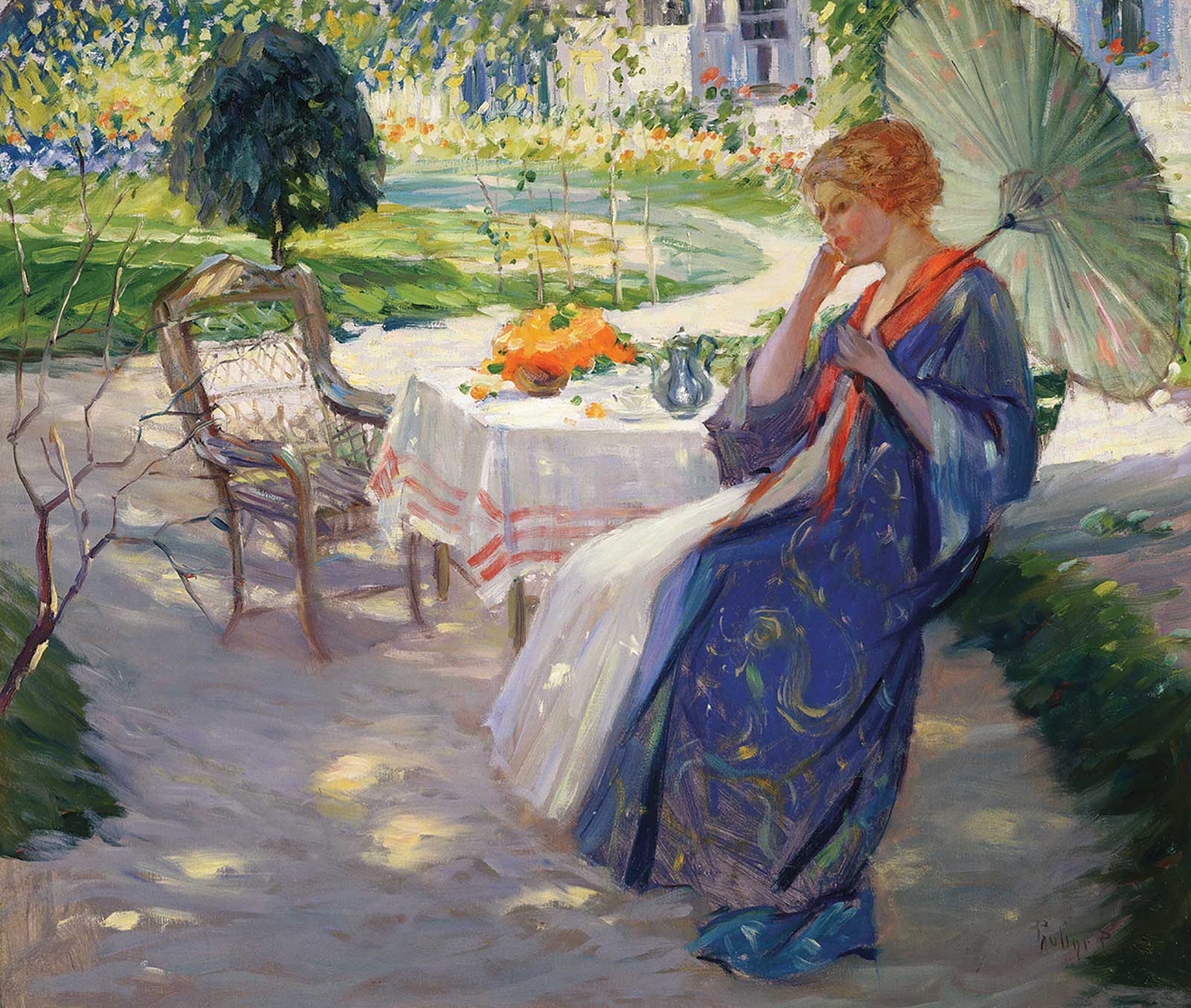 Pauline Palmer (1867-1938), Girl with Parasol. Oil on canvas, 30 x 36 in.
Pauline Palmer (1867-1938) was the best-known woman artist in Chicago in the early years of the 20th century and a proponent of impressionism as the art world began turning toward modernism. She studied at the Art Institute of Chicago, as well as at ateliers in Paris. Girl with Parasol reminds the viewer of Giverny, the home of Monet. Palmer had joined a group of international artists who gathered there to paint together in 1910. The face of the model is carefully rendered while her figure and the scene are painted more freely. Palmer’s mastery of light and shadow creates an illusion of great depth.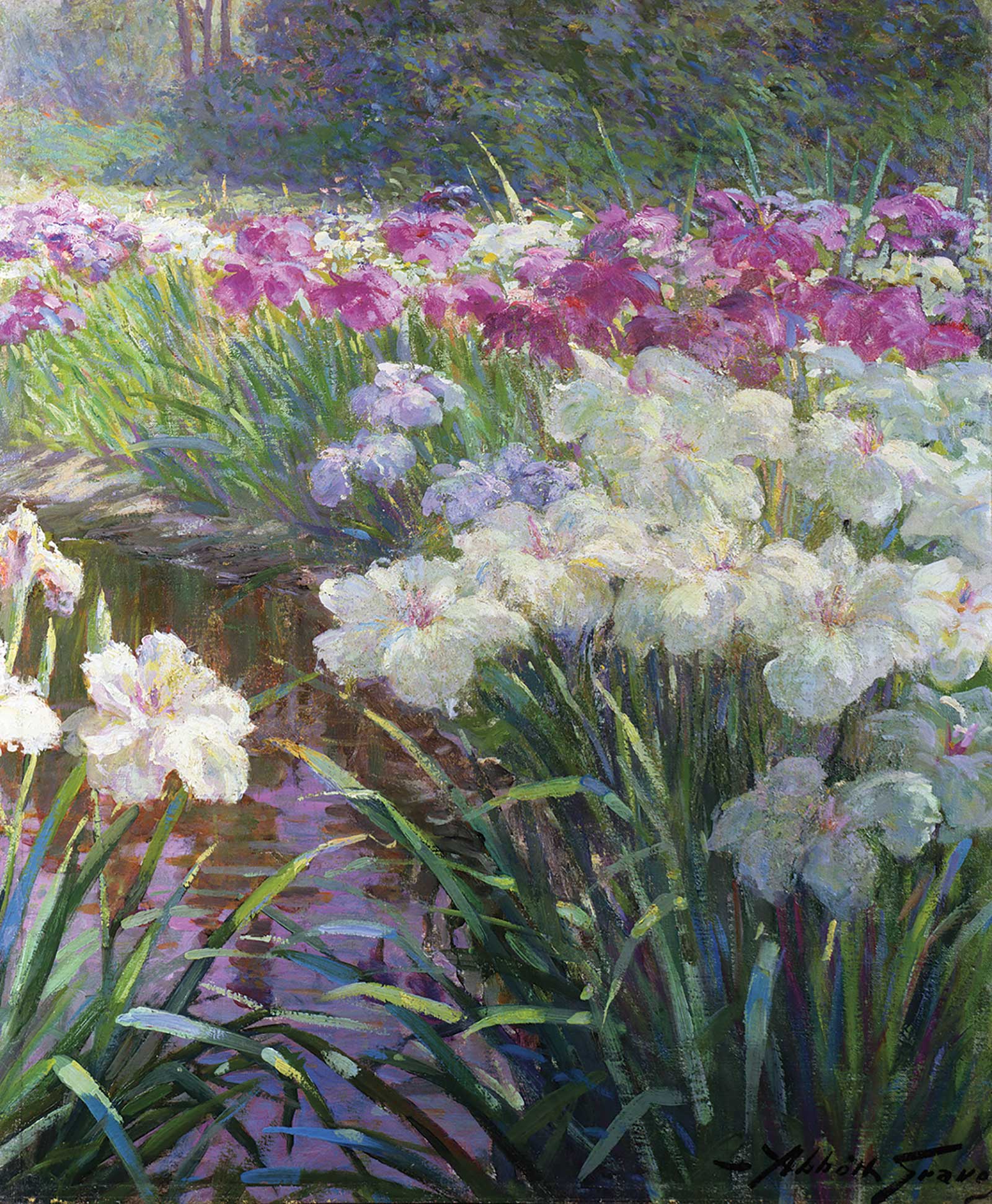 Abbott Fuller Graves (1859-1936), Bank of Oise, (double-sided), ca. 1920. Oil on canvas, 30 x 25 in.
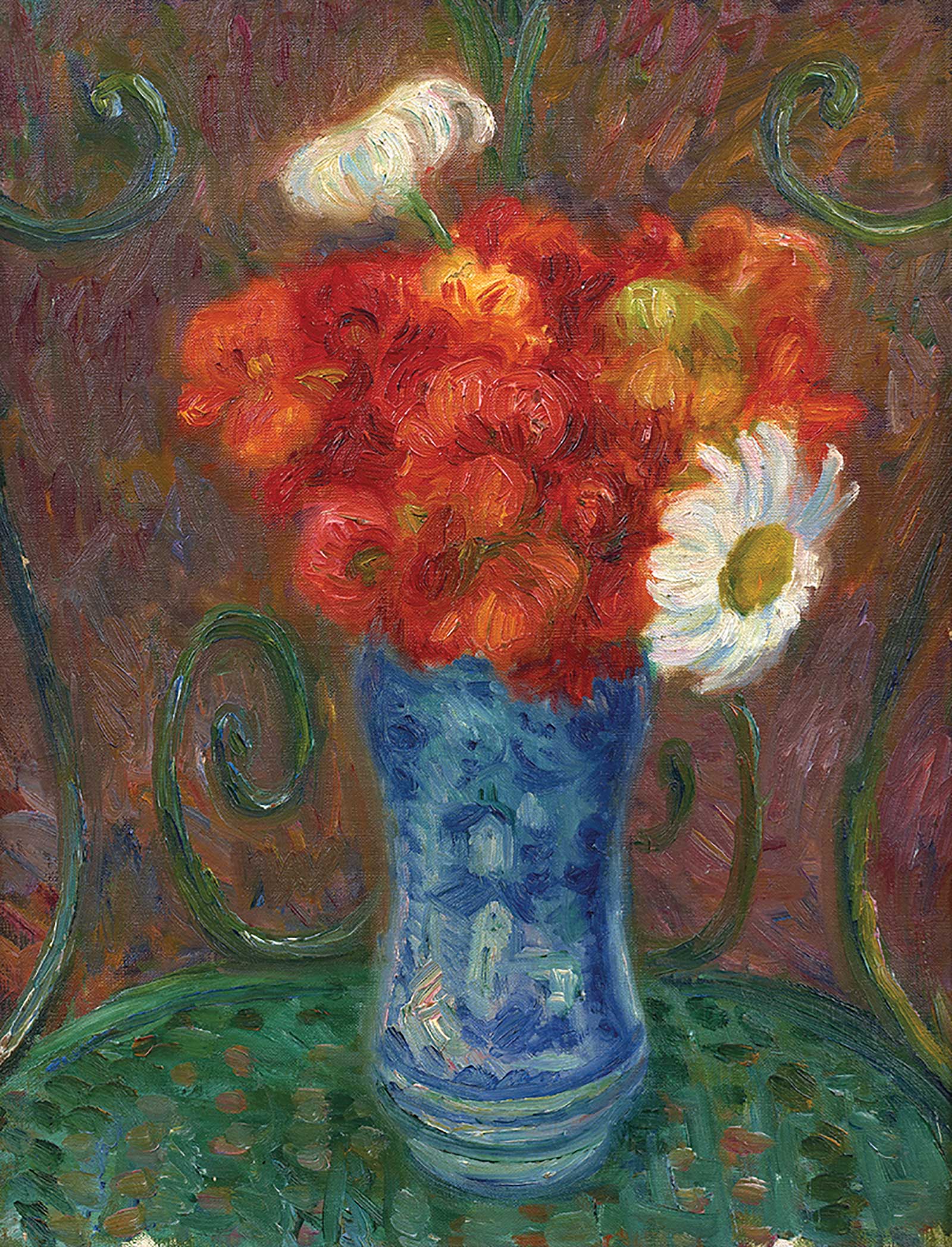 William Glackens (1870-1938), Flowers on a Garden Chair, ca. 1930. Oil on canvas board, 16 x 12¾ in.
William de Leftwich Dodge (1867-1935) studied at the École des Beaux-Arts in Paris under Jean-Léon Gérôme. Dodge was known for his murals, one of which decorated the central dome of the administration of the World’s Columbian Exposition in Chicago in 1893. In 1906, he designed a classical villa in Setauket, New York, on the North shore of Long Island. The gardens and the pergola of Villa Francesca, named after his wife, were featured often in his paintings. My Pergola, circa 1913, depicts roses climbing the pergola on the edge of Long Island Sound.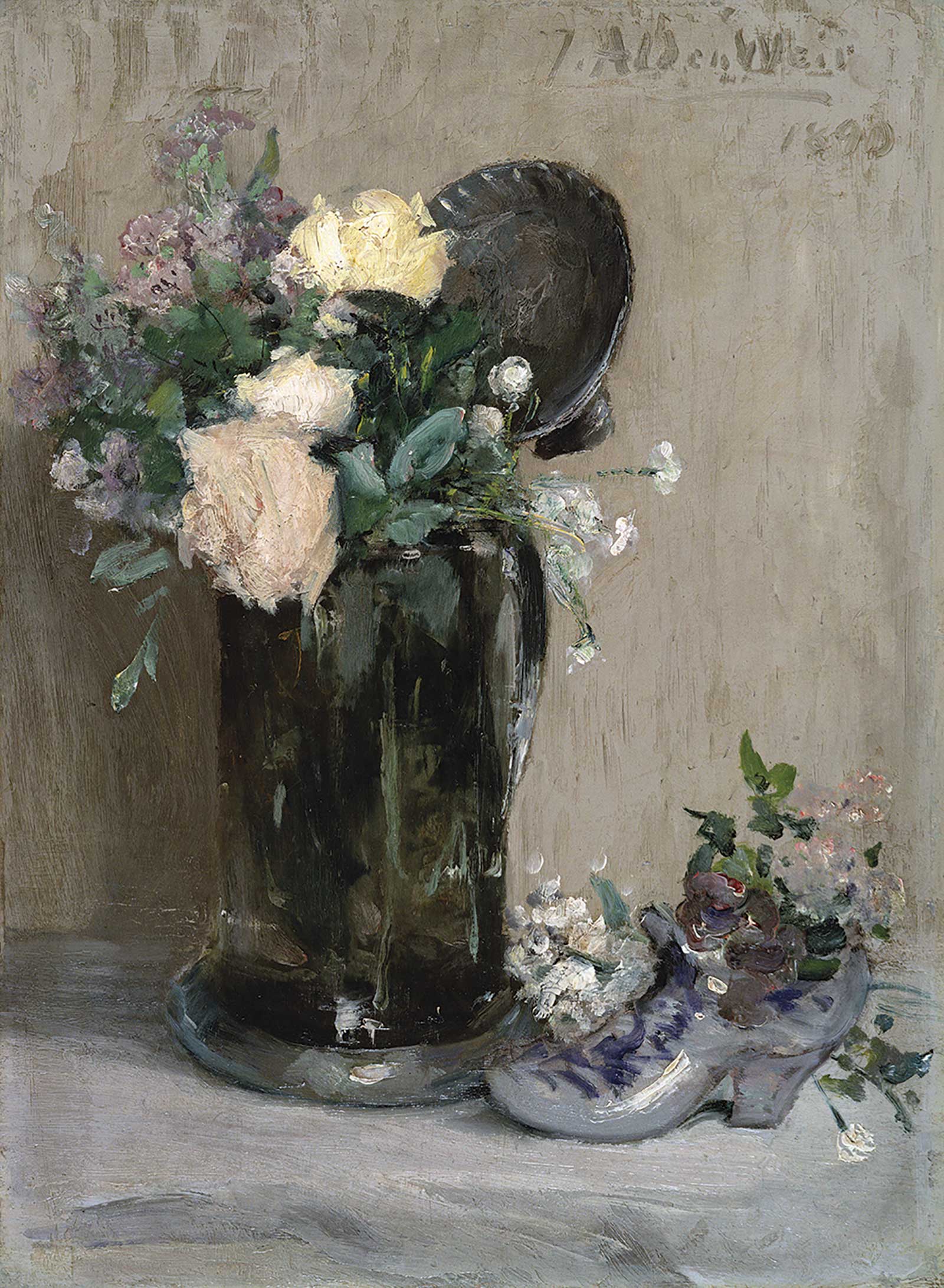 Julian Alden Weir (1852-1919), The Dutch Shoe, 1890. Oil on panel, 21 x 15 in.
The great English horticulturalist and garden designer, Gertrude Jeykll (1843-19320) wrote, “If you take any flower you please and look it over and turn it about and smell it and feel it and try to find out all its little secrets, not of flower only but of leaf, bud and stem as well, you will discover many wonderful things. This is how you make friends with plants, and very good friends you will find them to the end of our lives.” —
Powered by Froala Editor