Portraits tell two stories. One is that of the subject itself—the life of the person being portrayed, and the history surrounding that life. The second is the story of the artist’s vision, their creative interpretations, influences and personal touches. “Portraiture is always sort of a remnant of painting as far as classification, but there’s always so much revealed when you look at the sitter as well as how they’re depicted by the painter. The painters are really defined by their styles and the times in which they painted,” says Jennifer Perry Thalheimer, curator and collections manager at the Charles Hosmer Morse Museum of American Art in Winter Park, Florida. 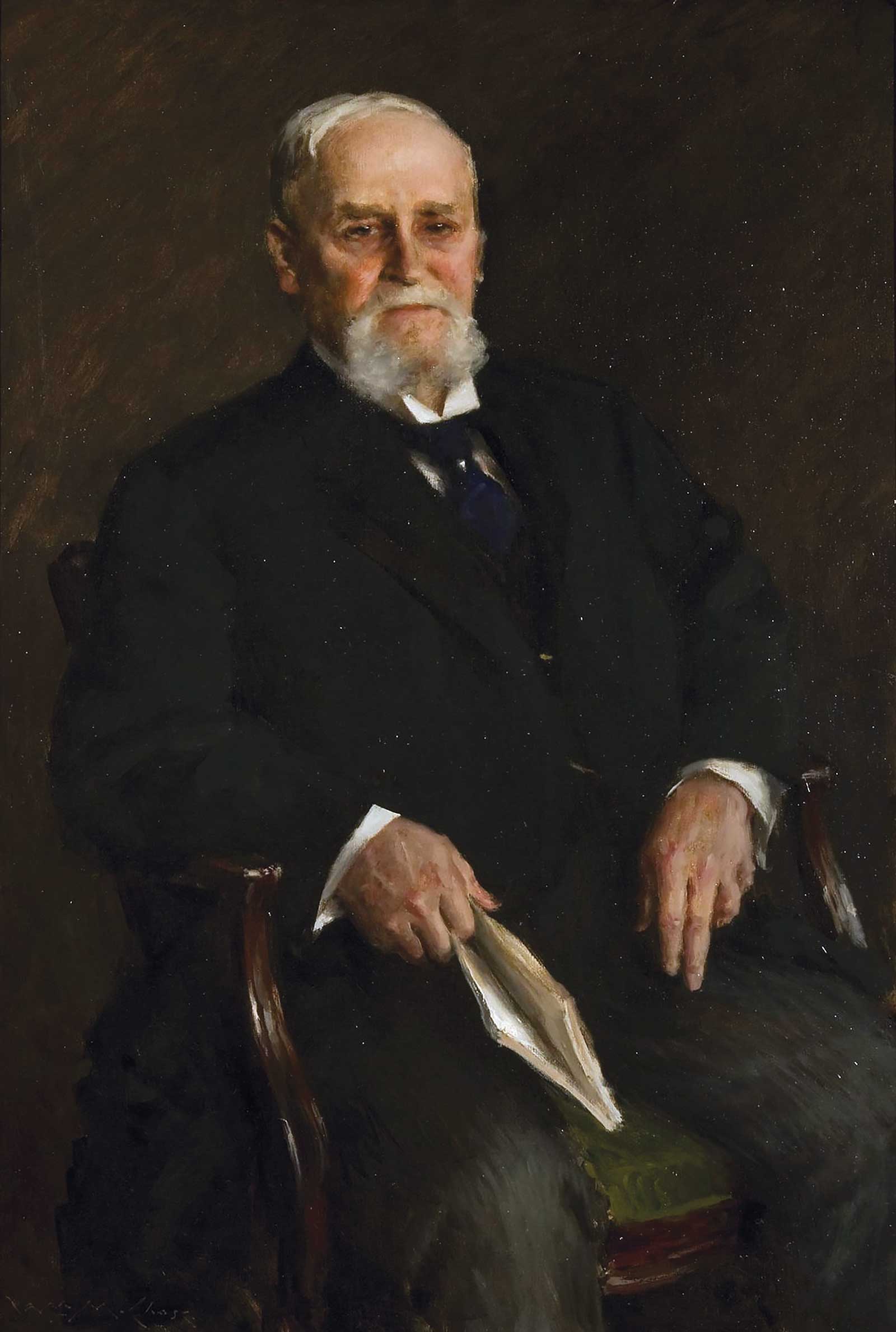 William Merritt Chase (1849-1916), Portrait of Sylvester S. Marvin, ca. 1905. Oil on canvas, 48½ x 34 in. Gift of Leslie and Kathryn Grammer. 2016-009.
Opening March 3, the Morse Museum hosts Selected Portraits from the Morse Collection, which will feature around a dozen paintings by well-known American portraitists, as well as photographs by early American studios. And the show covers an expansive range, with works dating from the late 18th century to early 20th century. 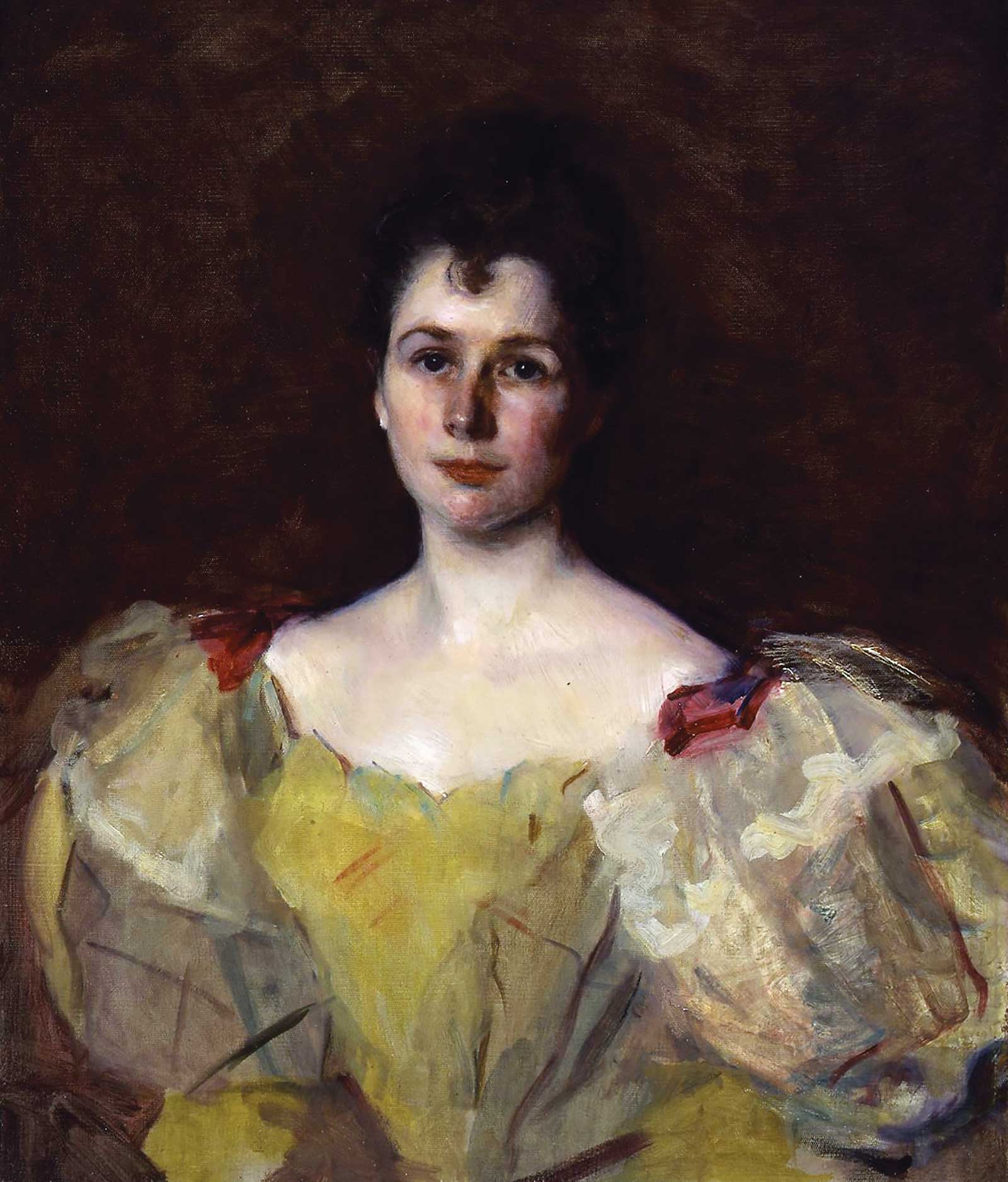 Cecilia Beaux (1855-1942), Portrait of Mrs. Henry LaBarre Jayne, 1895. Oil on canvas, 32 x 26½ in. P-072-93.
“Portraiture for a long time had been this formal way of recording your ancestry. It was associated with royalty, kings [and] aristocracy,” says Thalheimer. She explains that in the 19th century, a transition in demographics allowed a larger part of the population to commission portraits, including merchants and rising middle class. “That was their mark of entry into this realm,” she says.
Painted around 1905 is Portrait of Sylvester S. Marvin, an oil by William Merritt Chase. “It’s a wonderful piece. [Marvin] was one of the early developers of a biscuit company that eventually became Nabisco...He’s this kind of older gentleman who just speaks of power, but he’s still this nice kindly man. So it’s a nice representation of him,” says Thalheimer. “And he was a pretty important man too. He was called the Edison of manufacturing.”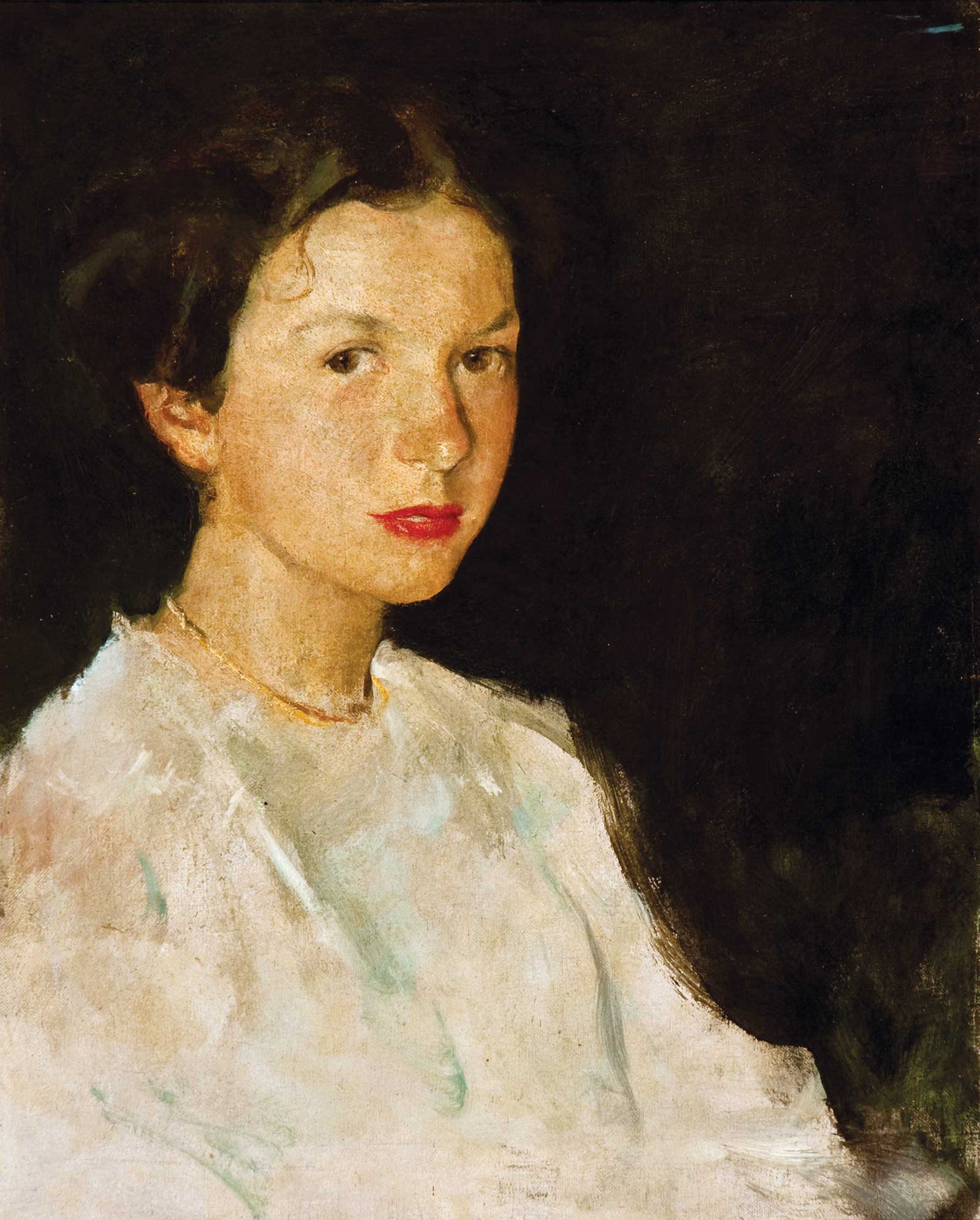 Charles Webster Hawthorne (1872-1930), Portrait of a young girl, ca. 1920. Oil on canvas, 201/8 x 16 in. Gift of Mr. and Mrs. Aldis. P-084-80.
An 1817 oil by Samuel F.B. Morse, Portrait of Jeremiah Evarts, depicts Jeremiah Evarts, missionary, reformer and activist for the rights of Native Americans. A number of other figures whose personal lives shed light on the time period in which they lived can be viewed and explored during the exhibition. 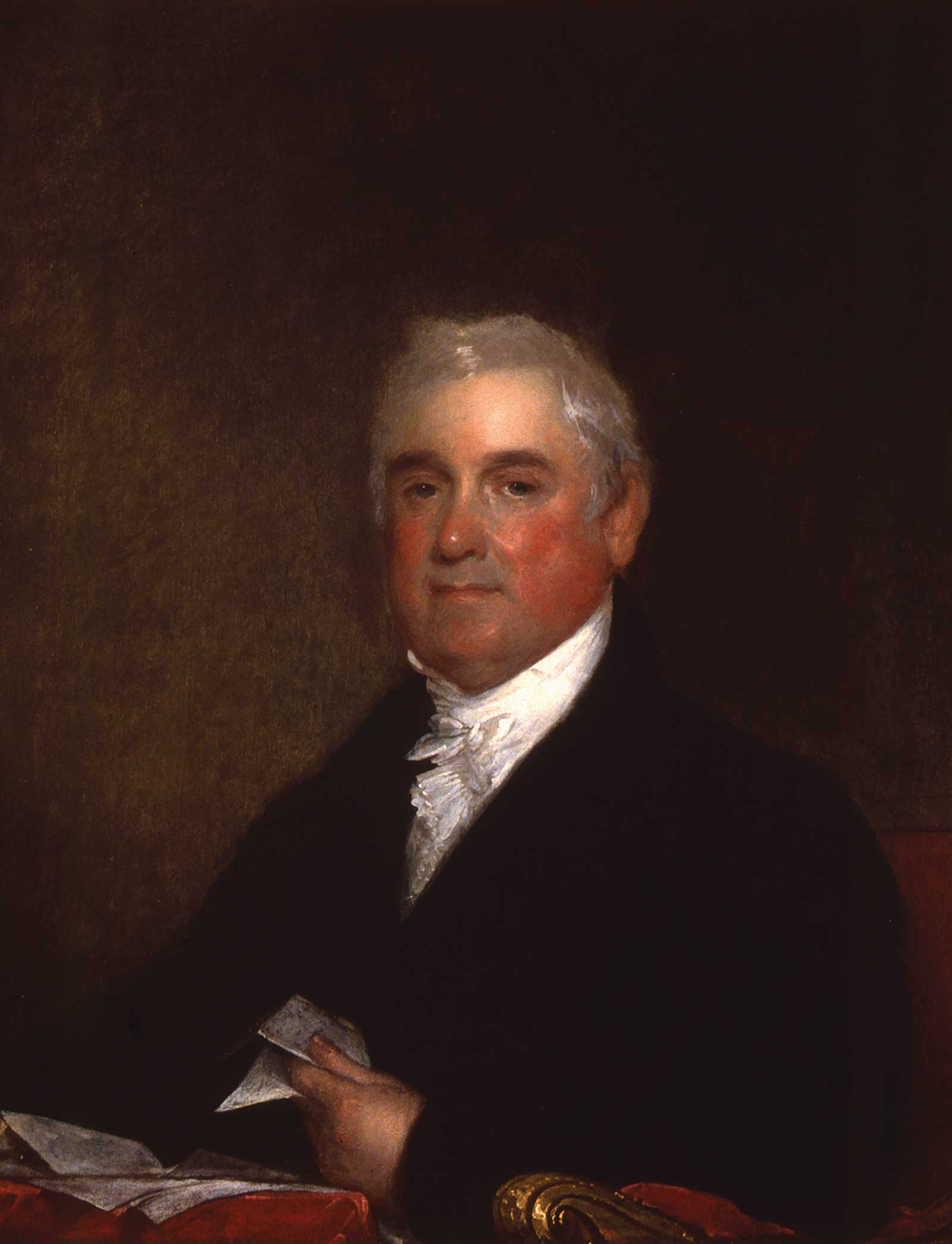 Gilbert Stuart (1755-1828), Portrait of Joseph Head, ca. 1815. Oil on panel, 32½ x 26½ in. P-007-86.
Photography is another major aspect of the exhibition. “It combined technology and this introduction of modernity into life. Whether you had a painted portrait made or a photograph, it was a choice,” says Thalheimer. “For paintings, it was an artistic presentation on part of the artist and took a long time...with photography it was almost instantaneous, and you could be seated with different poses and different backdrops.” Included in the exhibition is a photograph taken by Matzene Studio in 1915 of Charles Hosmer Morse, in whose memory the Morse Museum was established.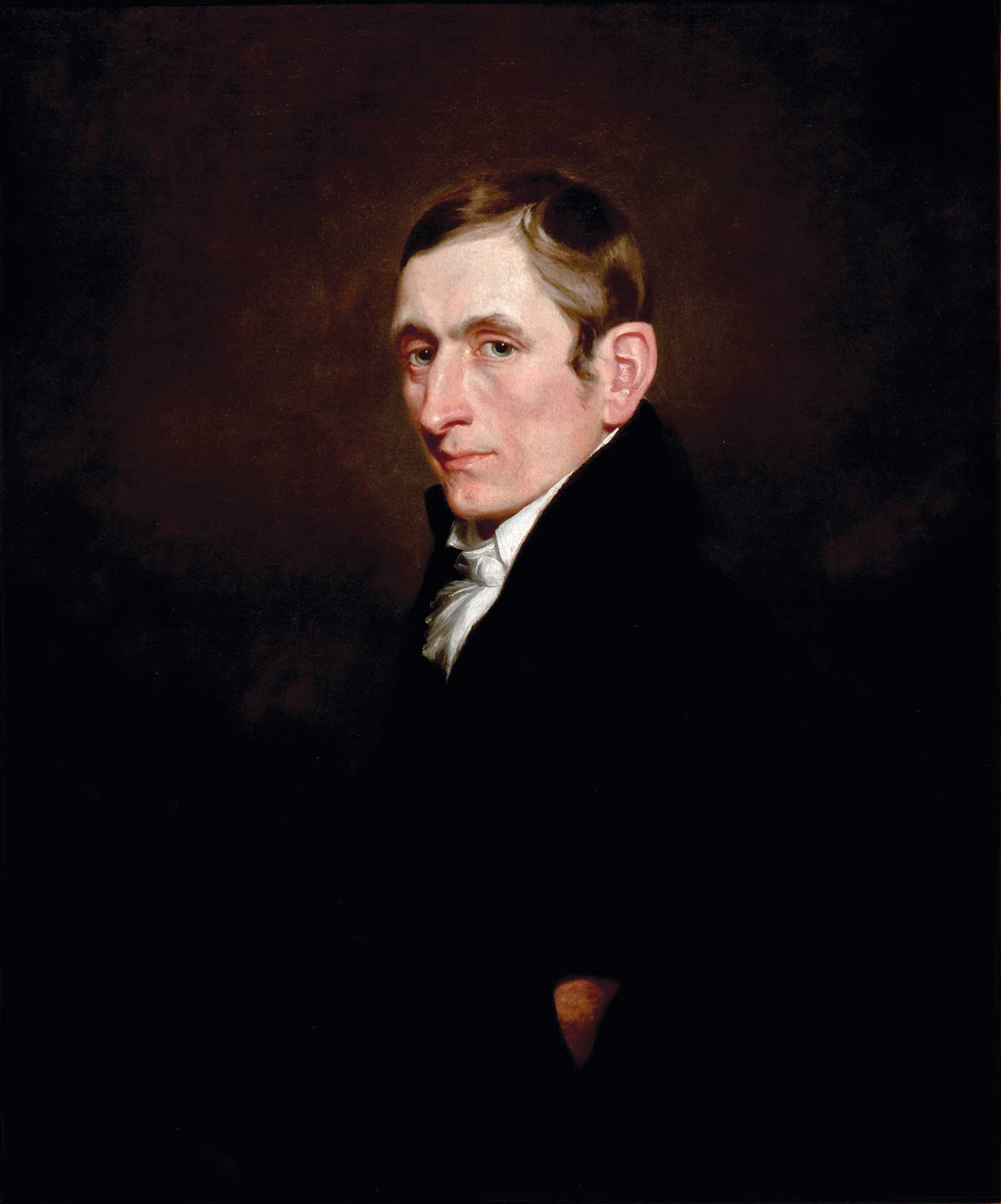 Samuel F.B. Morse (1791-1872), Portrait of Jeremiah Evarts, ca. 1817. Oil on canvas, 30¼ x 25 in. P-001-81. All images courtesy Charles Hosmer Morse Museum of American Art, Winter Park, FL.
“You can look at paintings as the simplest depictions of humans, but when you look beyond that you can see their positions in society and how the artist put themselves into it as well,” says Thalheimer. “We’re hoping this exhibition encourages people to not walk past a portrait assuming it’s just another person, but really put a lot of thought behind why it was done and who this person is behind the lens [or on the canvas].” —
Powered by Froala Editor