Granville Redmond (1871-1935) is regarded as one of the earliest California Impressionists, with his landscapes becoming among the most recognized in the nation. The artist, who was left deaf after contracting scarlet fever as a toddler, was born in Philadelphia but spent most of his life in California when his family moved to San Jose and enrolled him at what is now called the California School for the Deaf in Fremont. The school encouraged its students’ artistic pursuits, and early on the charismatic youth showed a particular adeptness for art. This support was only the beginning for Redmond who took advantage of the opportunities before him and molded a career around his adopted home state.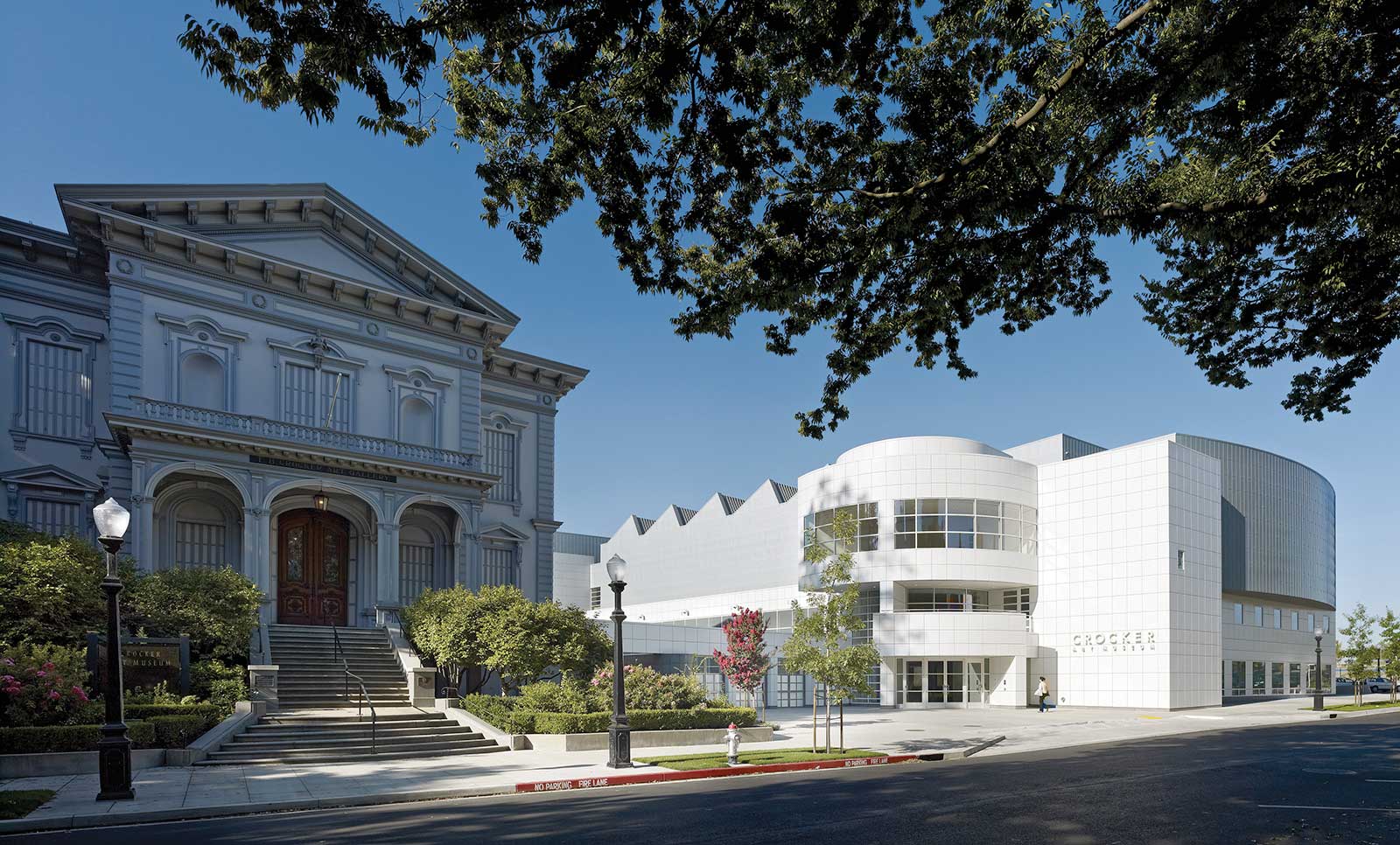
January 26 through May 17 the Crocker Art Museum in Sacramento, California, will present Granville Redmond: The Eloquent Palette, an exhibition that is considered the largest ever assembled of the impressionist painter’s work. With 85 landscapes by the artist on view, visitors will get a glimpse into the road Redmond traveled—studying the topography in the northern and southern parts of the state, the various vegetation and colors that captivated him, and the styles that range from tonalist nocturnes to vivid impressionist scenes.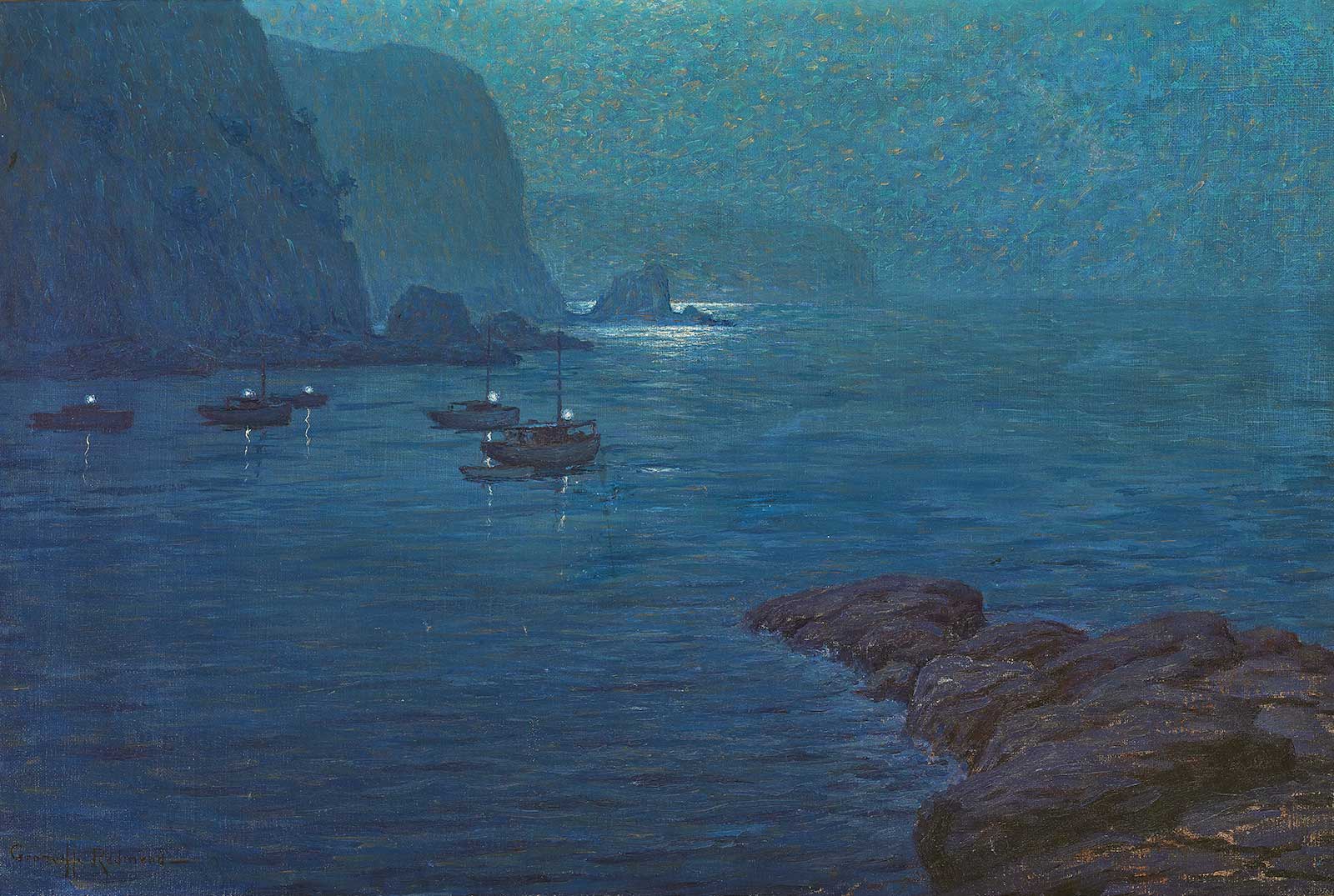 Granville Redmond (1871-1935), Nocturne. Oil on canvas, 20 x 30 in. Private collection.
“The title is a reference to the fact that Redmond couldn’t hear or speak,” says Scott A. Shields, the museum’s chief curator and assistant director, who put together the exhibition. “His paintings speak for him.” Shields adds that it also references Redmond’s color palette, which some people believe was so masterful because his sight was elevated.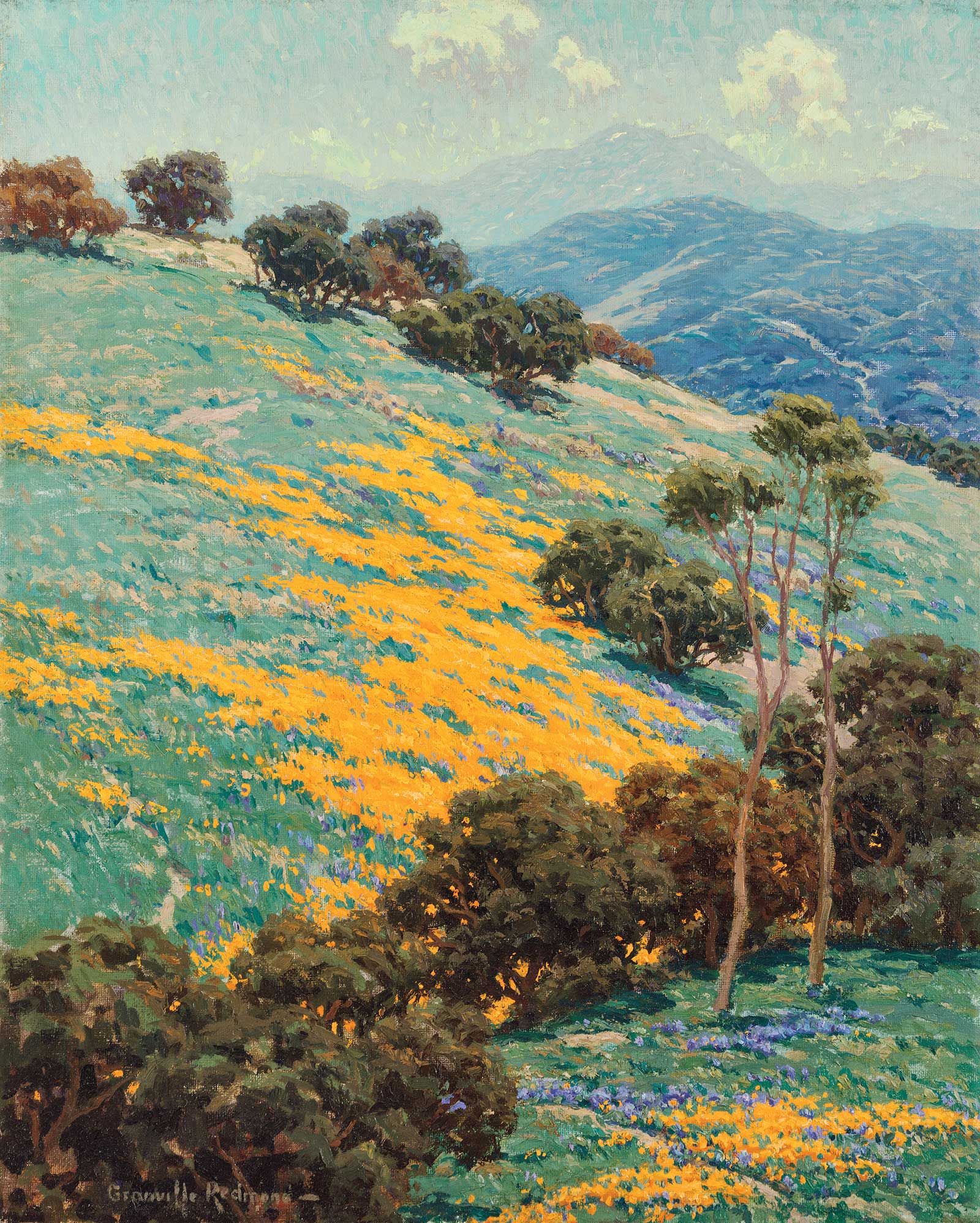 Granville Redmond (1871-1935), California Poppies. Oil on canvas, 251⁄8 x 201⁄8 in. Collection of Thomas Gianetto.
After graduating, Redmond went on to study at the California School of Design in San Francisco, where, in 1893, he was inspired by his new instructor, Ernest Peixotto, to study abroad. He traveled to France and studied at the Académie Julian in Paris before returning stateside in 1898 when he became poverty stricken. During his time in the City of Light, his 1895 painting Matin d’Hiver, translating to Winter Morning, was accepted into the Paris Salon, which at the time was the highest honor an artist could obtain. Redmond gifted the painting to the California School for the Deaf, which is loaning it to the exhibition at the Crocker.
“The school gave him stipends and loans to continue his education beyond high school and elementary school education,” Shields explains. “Had it not been for them he wouldn’t have been able to train in San Francisco and Paris, and he probably wouldn’t have been an artist at all.”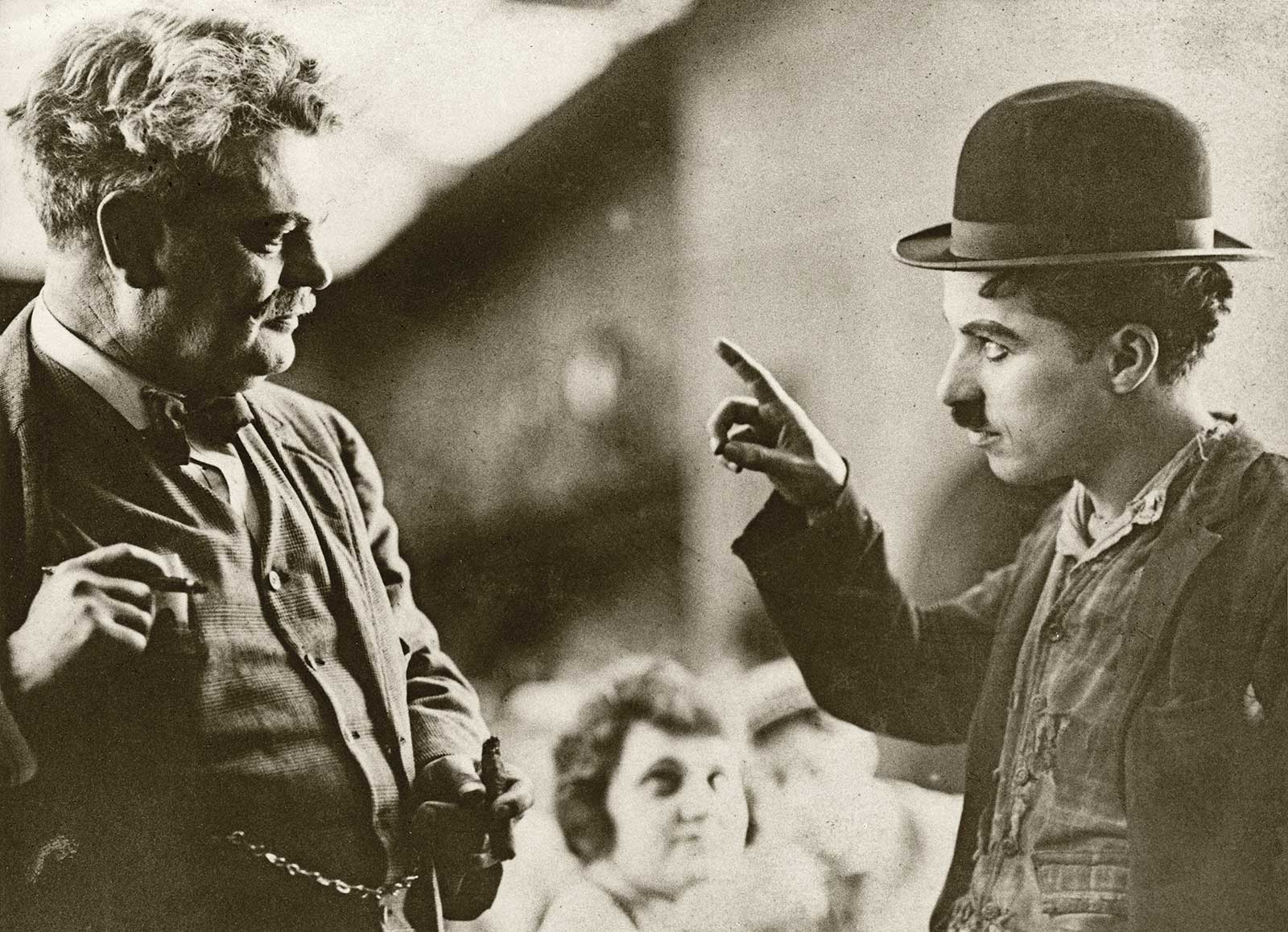 Granville Redmond and Charlie Chaplin, ca. 1918. Mildred Albronda Papers, BANC MSS 84/117 c, carton 5:6. Courtesy The Bancroft Library, University of California, Berkeley. Photographer unknown.
On returning to the United States, Redmond became involved in silent films because of his ability to emote. He forged a friendship with Charlie Chaplin and others, and he even taught them sign language. His time in Hollywood also helped him gain clientele for his art.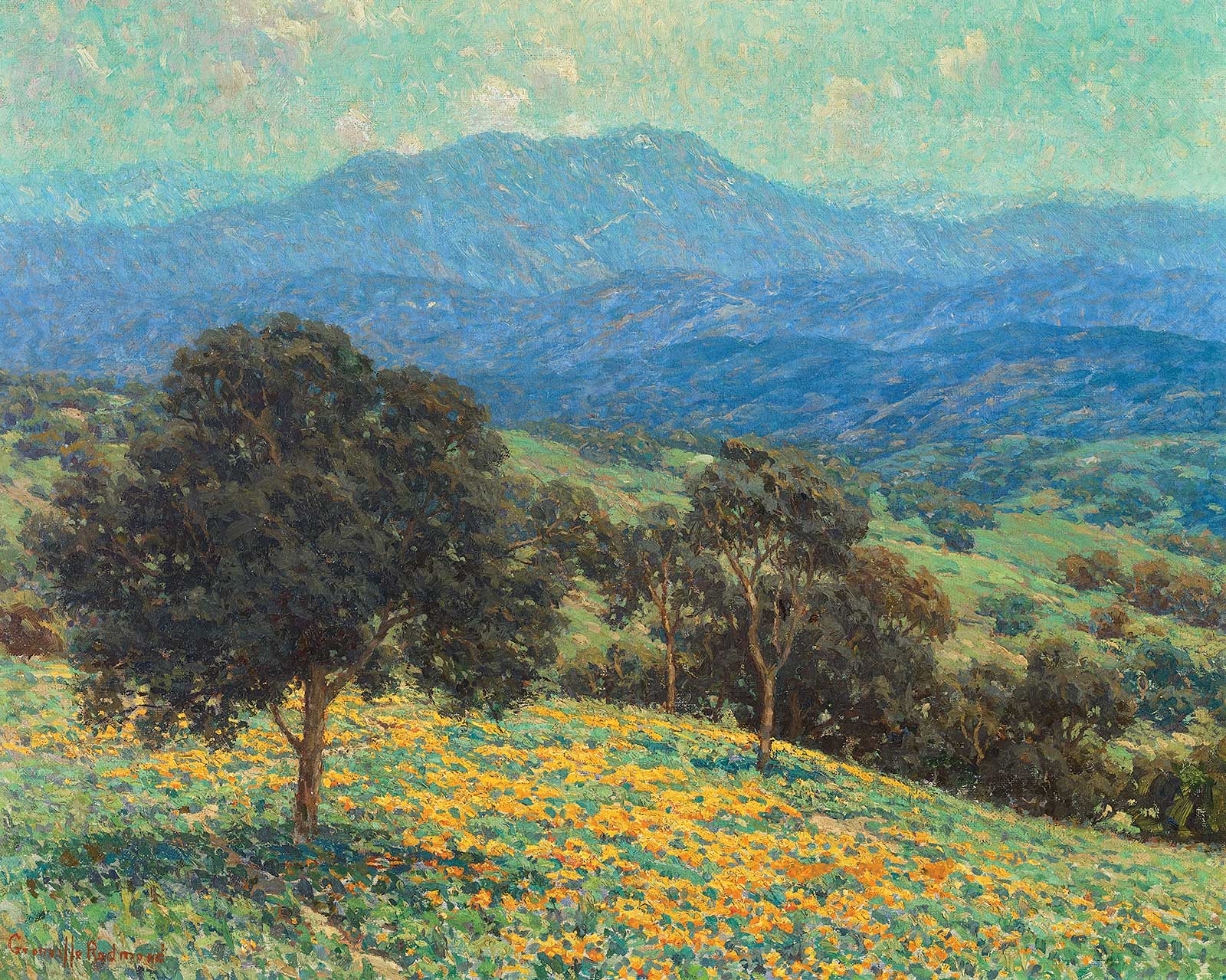 Granville Redmond (1871-1935), Untitled Landscape. Oil on canvas, 20 x 25 in. Collection of Peter and Gail Ochs.
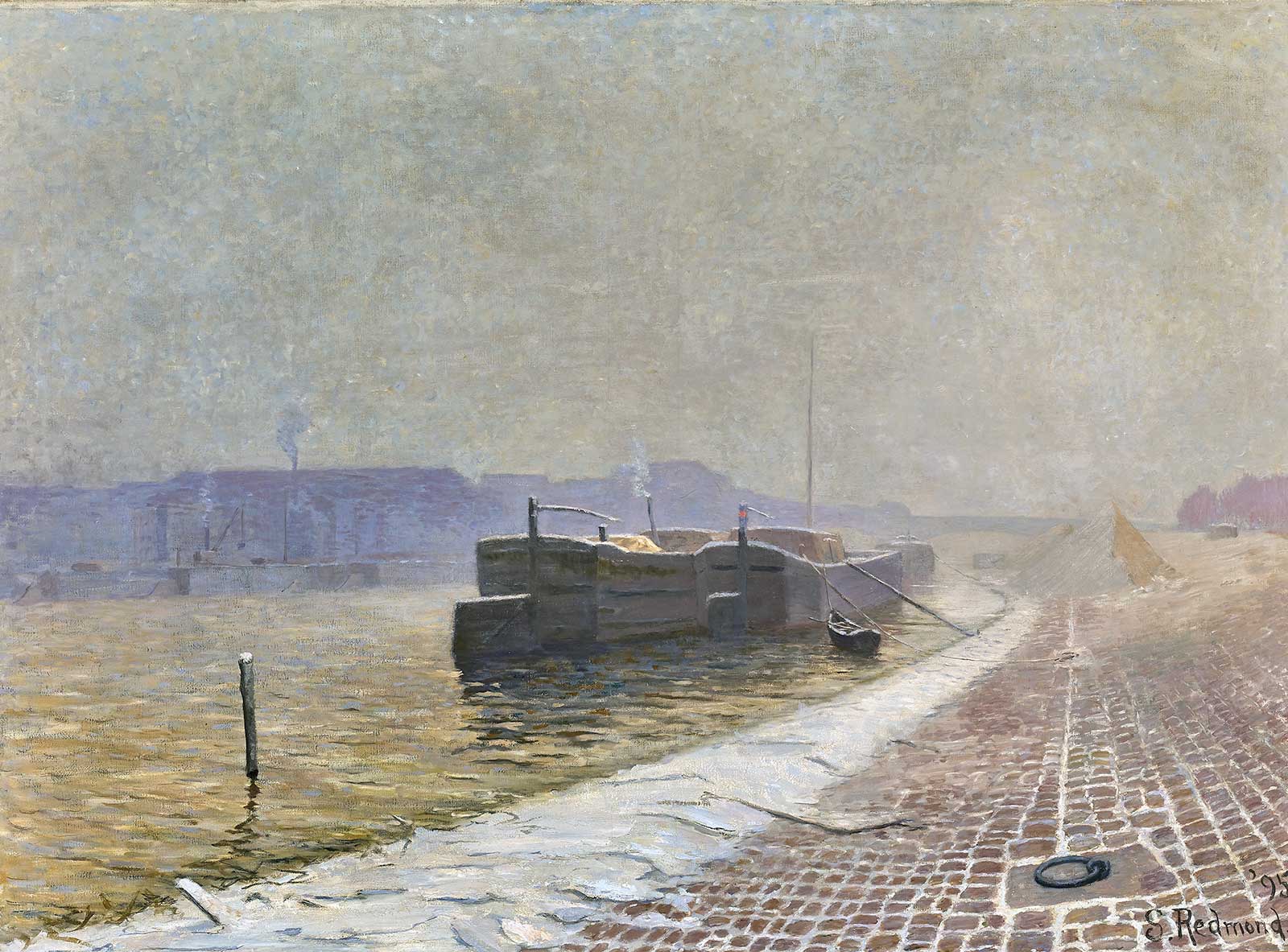 Granville Redmond (1871-1935), Matin d’Hiver (Winter Morning), 1895. Oil on canvas, 38½ x 51½ in. California School for the Deaf, Fremont.Shields organized the exhibition both chronologically and by region, because while Redmond often painted the same subjects he did so throughout his lifetime rather in series. “Early on, when he came back from Paris, he ended up in Los Angeles where his parents moved and worked there. He worked in Monterey, San Mateo and the Bay Area. He was kind of one of the few artists who really spanned the state and always along the coast,” says Shields. He adds that visitors can almost trace where the artist was based on the subjects, such as the big oaks in San Mateo, the coasts of Monterey and his most recognized poppies. —
Powered by Froala Editor