Last month, the Baltimore Museum of Art announced that it would only acquire works by woman artists in 2020 in an attempt to rectify the museum’s massive gender imbalance. Further, during last month’s The American Art Fair, the talk was that American art curators were mainly interested in works by women and artists of color.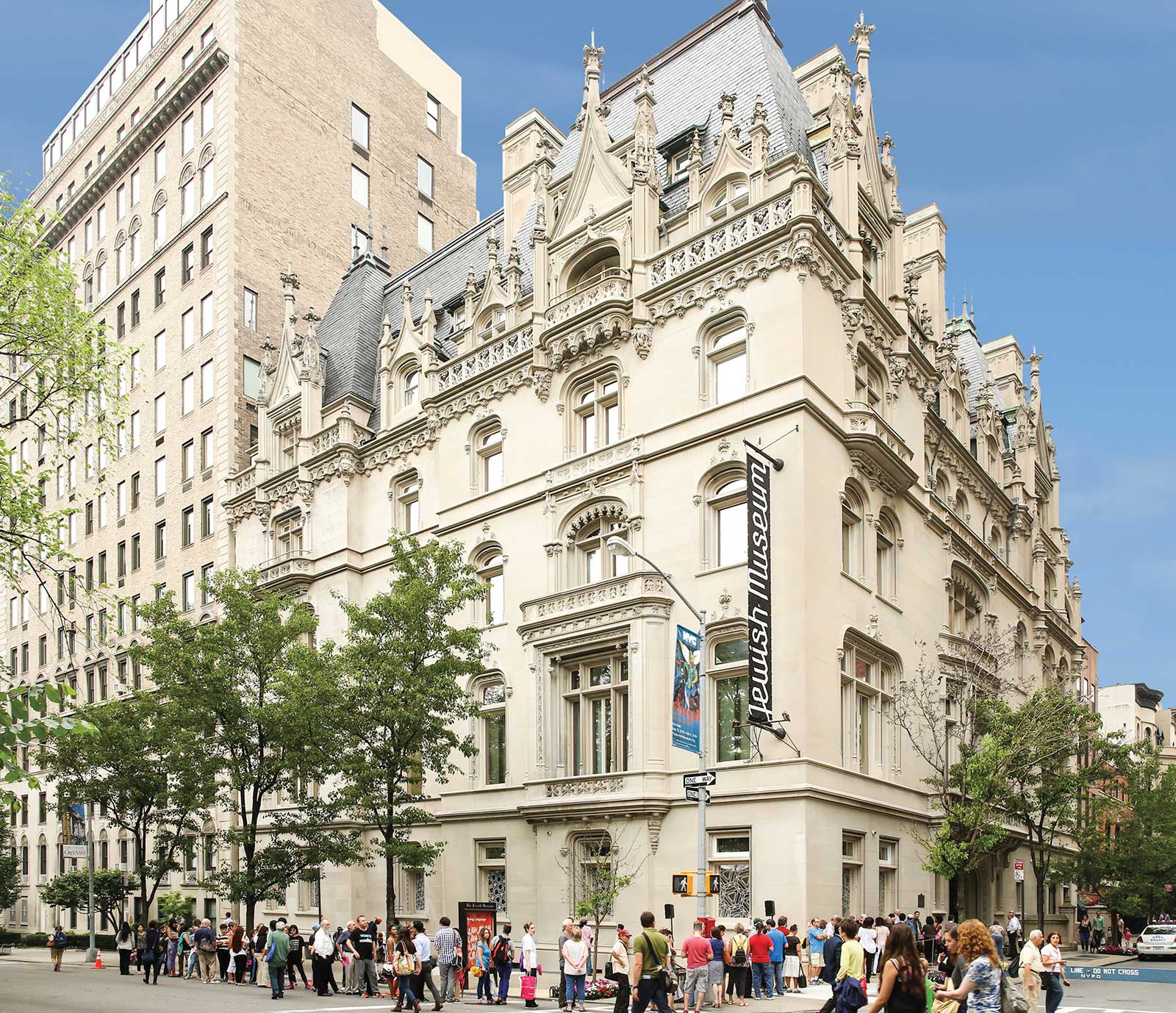
It’s good to hear that Edith Halpert’s 100-year-old vision is finally coming to fruition. When Halpert envisioned her Downtown Gallery—located on 13th street in Greenwich Village—at the age of 26, she “relentlessly championed nonwhite, female and unknown artists and was a formative advisor in the shaping of many of the nation’s most celebrated art museums and collections, from San Francisco to Boston.”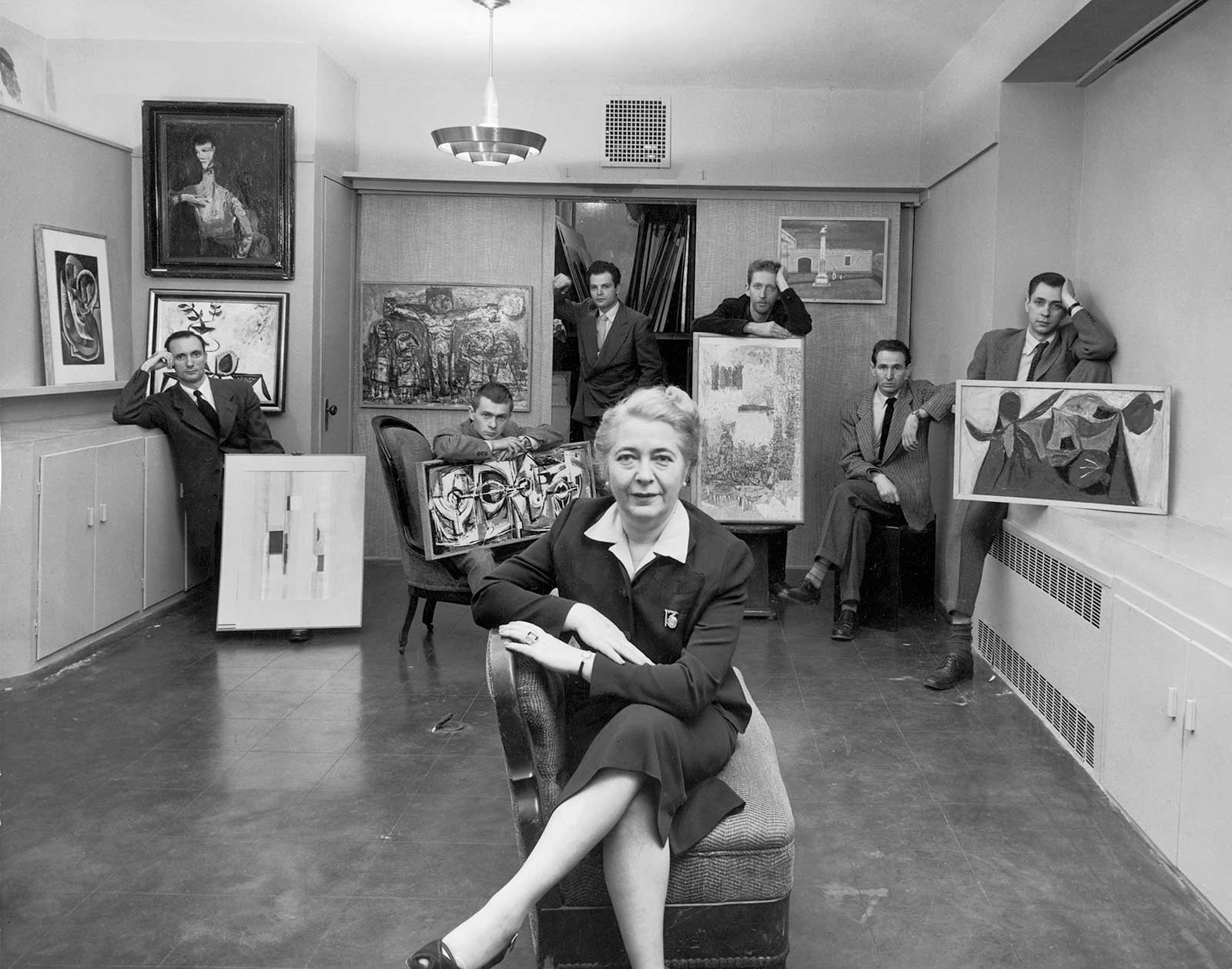 Edith Halpert at the Downtown Gallery, wearing a 13 watch brooch and ring designed for her by Charles Sheeler, in a photograph for Life magazine in 1952. She is joined by some of the new American artists she was promoting that year: Charles Oscar, Robert Knipschild, Jonah Kinigstein, Wallace Reiss, Carroll Cloar and Herbert Katzman. Photo © Estate of Louis Faurer.
Edith Halpert and the Rise of American Art continues at The Jewish Museum in New York City through February 9 and is the first exhibition to explore Halpert’s (1900-1970) career as an American art dealer and founder of the Downtown Gallery in New York City. The exhibition includes 100 works of American modern and folk art, by artists such as Stuart Davis, Jacob Lawrence, Georgia O’Keeffe, Yasuo Kuniyoshi, Ben Shahn, Charles Sheeler, Arthur Dove, Elie Nadleman, Max Weber, and Marguerite and William Zorach.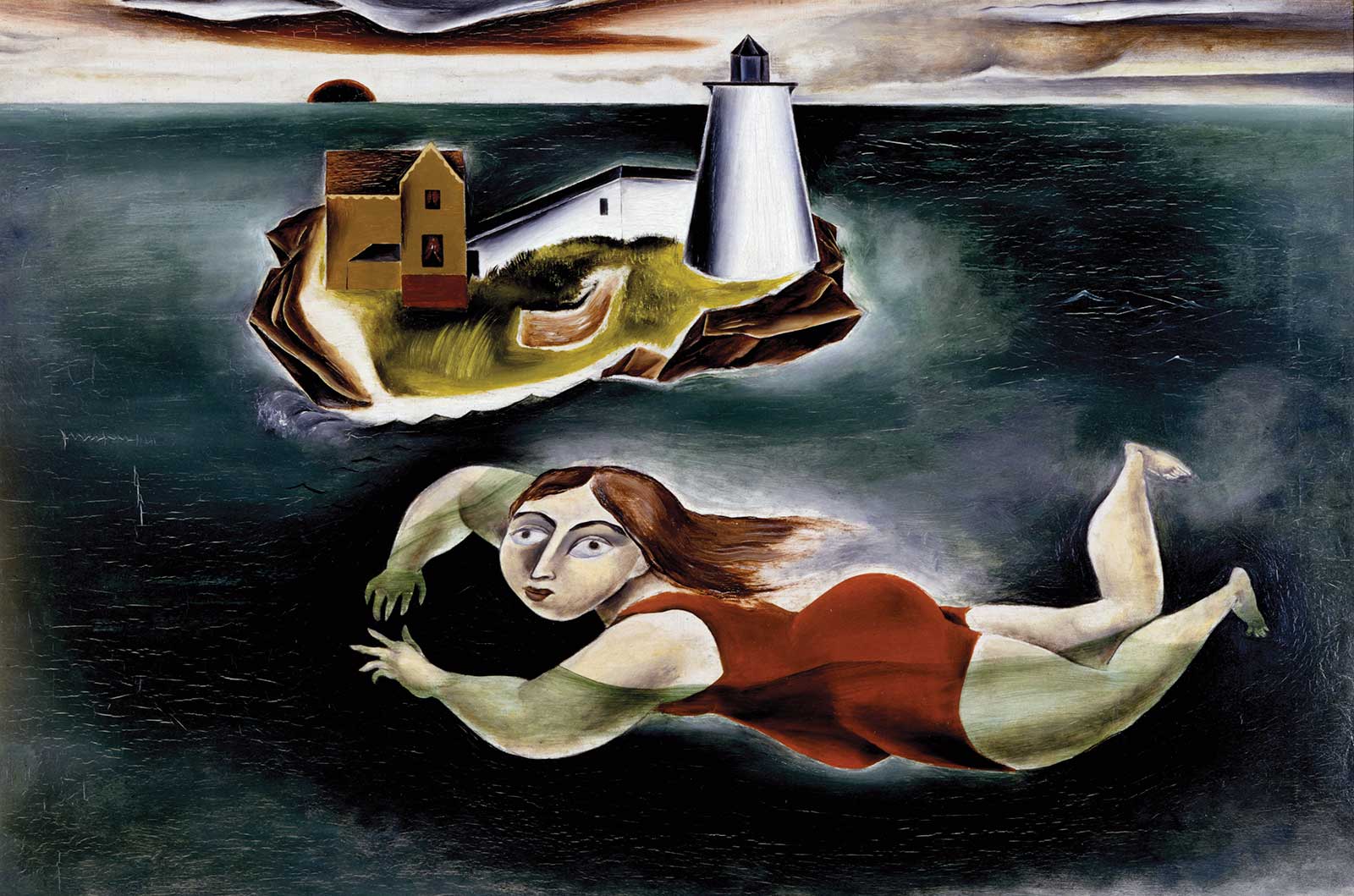 Yasuo Kuniyoshi (1889-1953), The Swimmer, ca. 1924. Oil on canvas. Columbus Museum of Art, Ohio, gift of Ferdinand Howald, 1931.196. © Estate of Yasuo Kuniyoshi / Licensed by VAGA at Artists Rights Society (ARS), New York.
According to the museum, Halpert was, for over 40 years, “the country’s most resolute champion of its creative potential and the defining authority of the American art landscape. Not only did her trailblazing career pave the way for the next generation of women leaders in the art world, Halpert’s inclusive vision continues to inform our understanding of American art today as being pluralistic generous in its parameters, and infused with idealism.”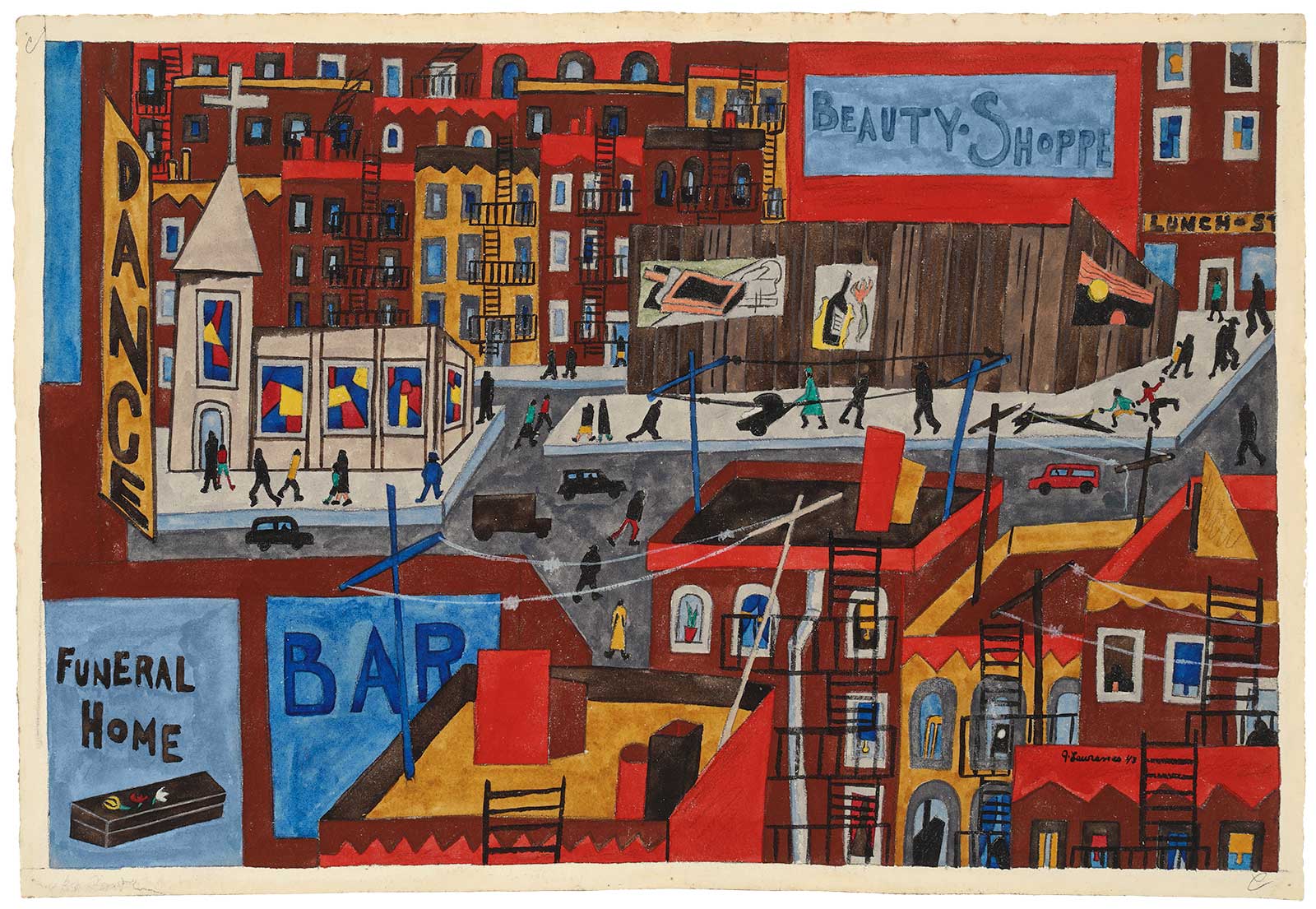 Jacob Lawrence (1917-2000), This is Harlem, 1943. Gouache and pencil on paper. Hirshhorn Museum and Sculpture Garden, Smithsonian Institution, Washington, D.C., gift of Joseph H. Hirshhorn, 1966. © The Jacob and Gwendolyn Knight Lawrence Foundation, Seattle / Artists Rights Society (ARS), New York. Photo by Cathy Carver.
Halpert was born in Odessa, Russia, to a prosperous Jewish family, though her father, Gregor, passed away when she was only four. After particularly violent anti-Semitic activities led to the murder of 400 Odessan Jews, Halpert fled to America with her mother and sister. They arrived in New York City as three of over 150,000 Eastern European Jews who arrived that year.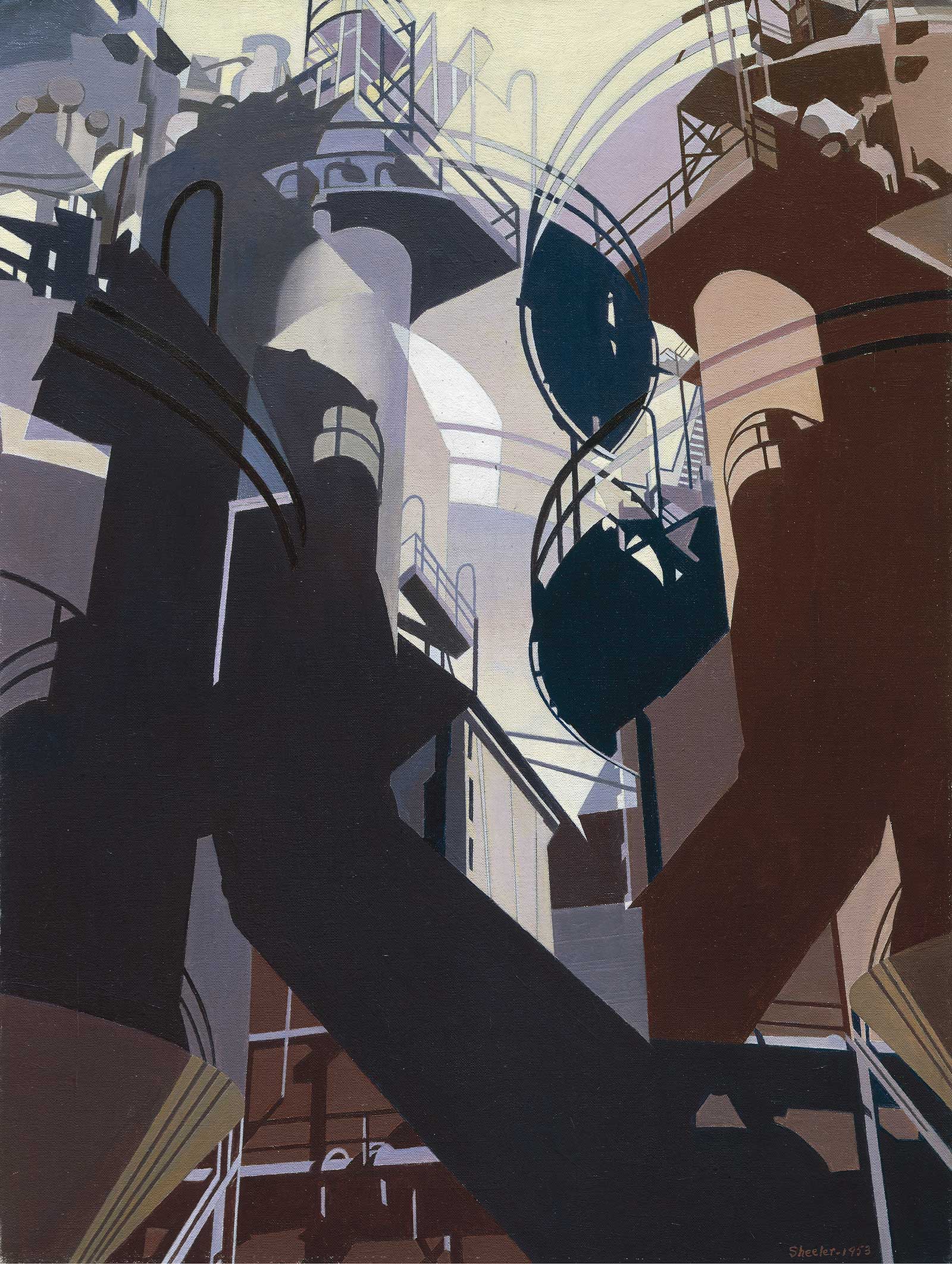 Charles Sheeler (1883-1965), Ore Into Iron, 1953. Oil on canvas. Museum of Fine Arts, Boston, gift of William H. and Saundra B. Lane and Henry H. and Zoe Oliver Sherman Fund, 1990.381.
Writing in the book (published beautifully as usual by Yale University Press) that accompanies the exhibition, curator Rebecca Shaykin states that Halpert enrolled in the National Academy of Design at the age of 14, although she used an Americanized name and claimed to be 16.
“From this point on, Edith immersed herself in art, attending classes at the Art Students League, spending weekends sketching in Central Park and visiting the Metropolitan Museum of Art and the commercial art galleries in Midtown Manhattan,” states Shaykin.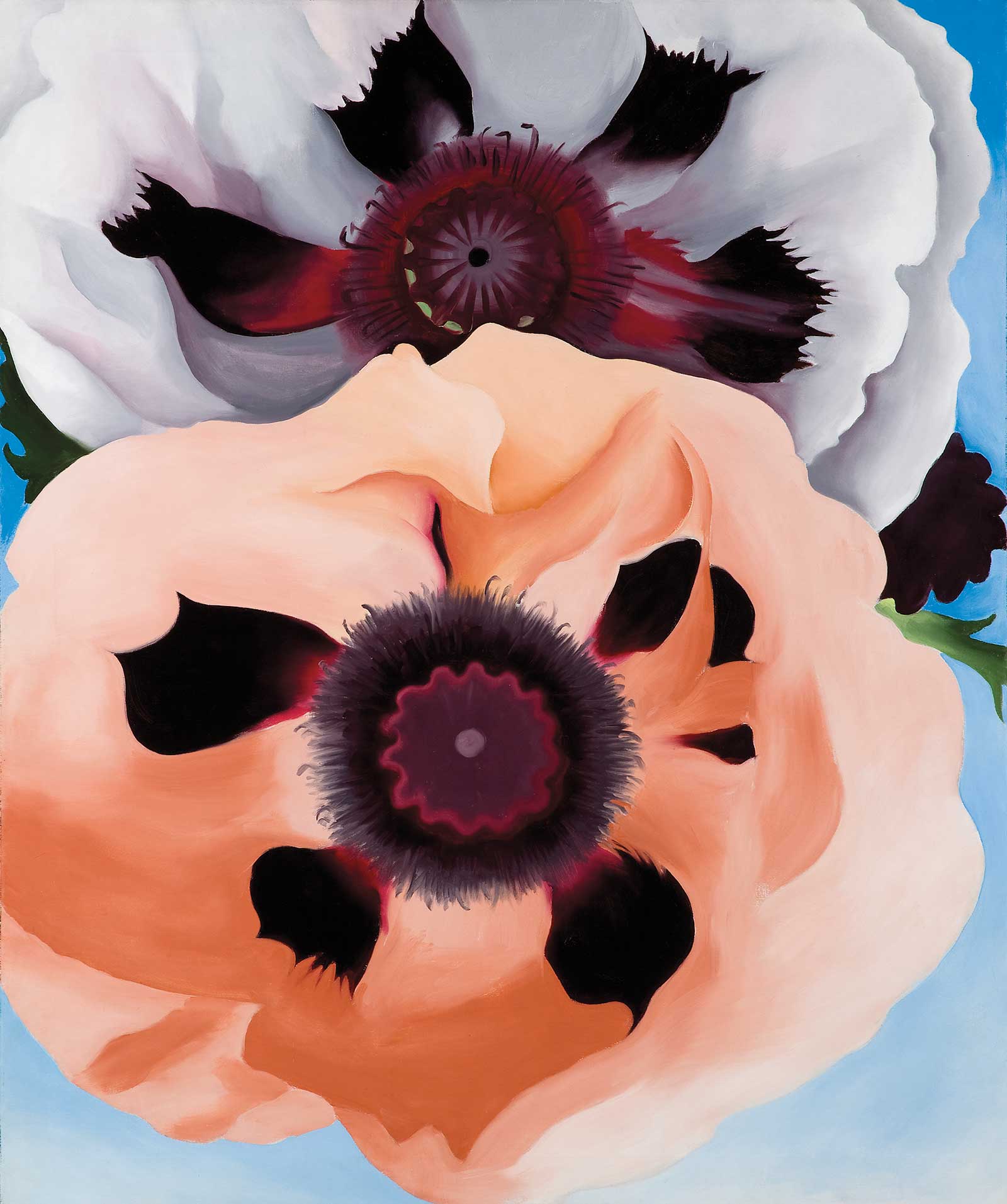 Georgia O’Keeffe (1887-1986), Poppies, 1950. Oil on canvas. Milwaukee Art Museum, Wisconsin, gift of Mrs. Harry Lynde Bardley. © Georgia O’Keeffe Museum / Artists Rights Society (ARS), New York. Photo by John R. Glembin.
After a successful several years working at an investment bank in the city and a year trip to Paris, Halpert and her husband—the artist Samuel Halpert—returned to the United States in 1926 and as they could not afford to live in Manhattan, they found residence in an artists’ colony in Ogunquit, Maine.
Other artists in residence that summer included their old friends the Zorachs, the artist couple Kuniyoshi and Katherine Schmidt, Niles Spencer, Stefan Herschel and Bernard Karfiol—“all of whom would later form the early core of Halpert’s first gallery in New York,” writes Shaykin.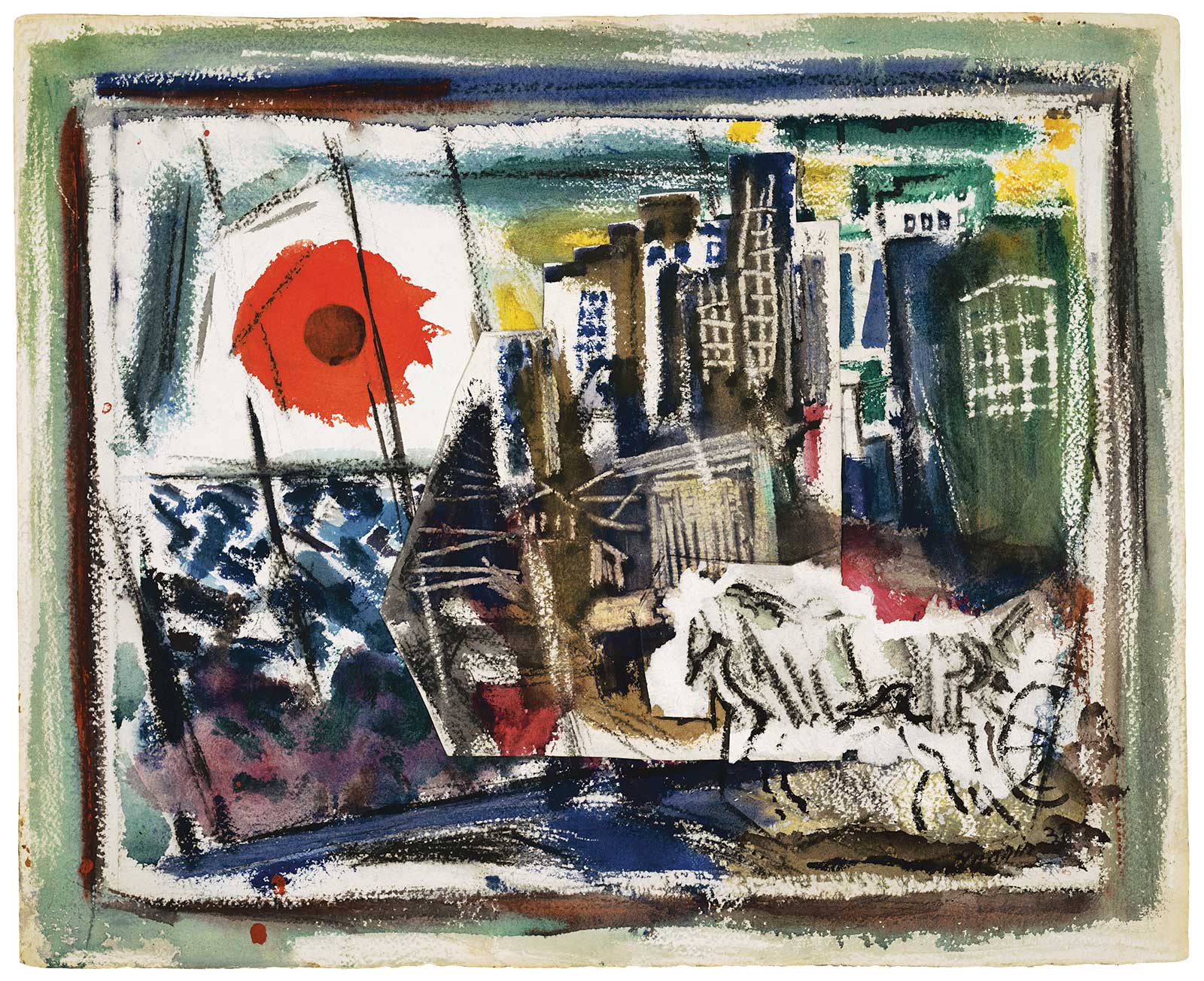 John Marin (1870-1953), From the Bridge, N.Y.C., 1933. Watercolor with charcoal and collage on paper. Wadsworth Atheneum Museum of Art, Hartford, CT, the Ella Gallup Sumner and Mary Catlin Sumner Collection Fund, 1948.479. © Estate of John Marin / Artists Rights Society (ARS), New York. Photo by Allen Phillips.
Halpert decided to use her savings to open the Downtown Gallery later that year. And, while most galleries of the time sold European paintings to the upper crust of the New York City society types, Halpert was decidedly different in her approach.
“The Downtown Gallery emphasizes the belief…in the democracy of art, and in the fact that it is possible to buy small works…at prices within the reach of the most modest income,” Halpert wrote in 1928, according to Shaykin. Halpert managed to organize solo shows for artists such as George Ault, Stuart Davis, Charles Sheeler, Max Weber, Zorach, Shahn and Kuniyoshi during these early years. And, because of such shows, Halpert soon became a friend and advisor to Abby Aldrich Rockefeller, daughter of Nelson Aldrich and wife of John D. Rockefeller Jr.
“Rockefeller became the patron saint of the Downtown Gallery in the early years; in turn, Halpert became her most trusted art advisor,” writes Shaykin. “The young gallerist persuaded her client to build a private gallery in her 54th Street townhouse, and commissioned Donald Deskey to design the interiors…Following on this success, Halpert began to encourage Rockefeller to turn her personal passion for collecting into the public good.” —
Powered by Froala Editor